Canadian Tourists Are Flocking to Cancun—Even with Seaweed on the Shore!
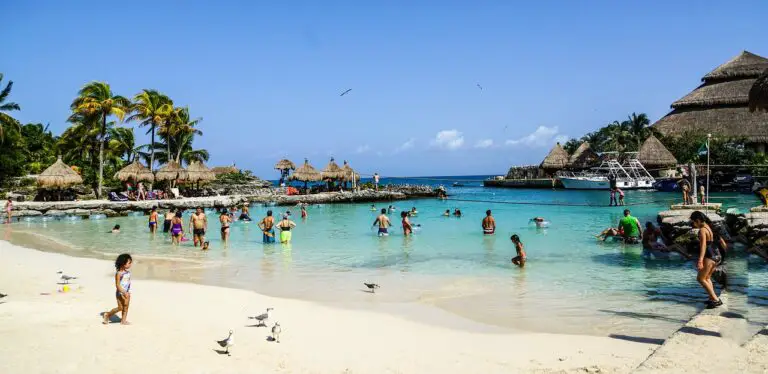
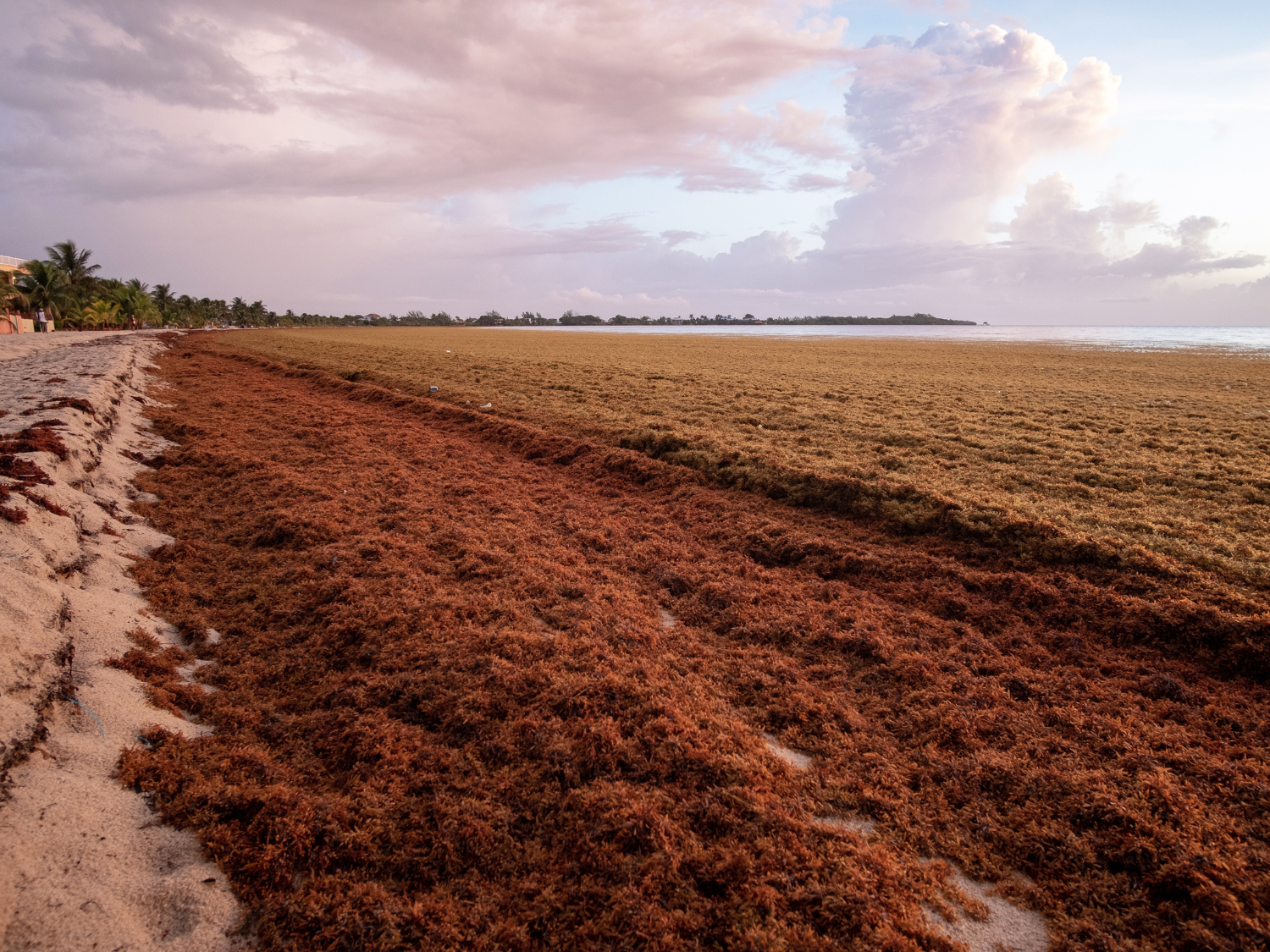
Cancun’s beaches remain packed with visitors this summer, showing no signs of slowing down—even as waves of sargassum seaweed wash ashore. Recent hotel occupancy reports show rates holding steady at an impressive 74% during early June. Surprisingly, there have been zero reported cancellations due to sargassum. Tourists are simply not letting the seasonal algae keep them away.
City officials are optimistic that even more tourists will arrive in the coming weeks. Hotel occupancy is projected to jump to about 81% between July 1 and August 15, a major spike during the peak summer travel season. According to Cancun’s local tourism authorities, travelers are embracing everything the destination offers—beach or no beach.
Canadian Travelers Lead the Comeback
One of the biggest surprises this season has been the surge in Canadian tourists. After a slower return post-pandemic, Canadian travelers are now arriving in large numbers, boosting hotel bookings and contributing to Cancun’s resilient tourism numbers. Their presence has been especially noticeable this early summer.
Cancun’s Battle Plan Against Sargassum
The city hasn’t left its fate up to nature. In fact, a multi-level strategy is in full force to handle the seaweed problem. The Mexican Navy has deployed boats to catch and collect sargassum before it reaches shore. At the same time, cleaning crews equipped with tractors and rakes are working at sunrise each morning to clean the beaches.
This effort isn’t limited to the government. Hotels, local businesses, and volunteers have all joined in to keep Cancun’s shores attractive to tourists. Many beaches also post daily updates on social media so visitors know which locations are the cleanest before they head out.
Why Sargassum Is a Problem—and an Opportunity
Sargassum may seem like a minor inconvenience, but it can have a real impact. When left untreated, it releases foul-smelling gases as it decomposes, affecting the beach experience. This year, seaweed levels have hit record highs, with thousands of tonnes piling up in the Caribbean and along Mexico’s coastline.
Some beaches in Cancun, such as Las Perlas and Playa Marlin, have stayed relatively clear thanks to strong cleanup efforts and natural ocean currents. However, other parts of the Riviera Maya—especially areas like Playa del Carmen and Tulum—have seen much heavier buildup.
Researchers believe the surge in sargassum is linked to climate change, warming ocean temperatures, and pollution runoff from agriculture. Officials estimate around 35,000 tonnes of sargassum will be collected this year, a sharp increase of nearly 40% from the previous year.
Turning Seaweed Into Solutions
While sargassum poses a challenge, Cancun is also exploring ways to transform it into something useful. Scientists and local governments are researching its potential as a raw material for biofuel, fertilizer, construction materials, and even vegan leather.
In some cases, regional leaders have called for emergency funding to help deal with the increased collection costs and support small businesses affected by seaweed influxes.
Cancun Still Has the Edge
Despite all of this, Cancun continues to shine. Tour operators and hoteliers say that the city’s Hotel Zone remains largely unaffected, with beaches staying cleaner than those further south. This is partly thanks to the natural shield created by Isla Mujeres, which blocks some of the incoming seaweed.
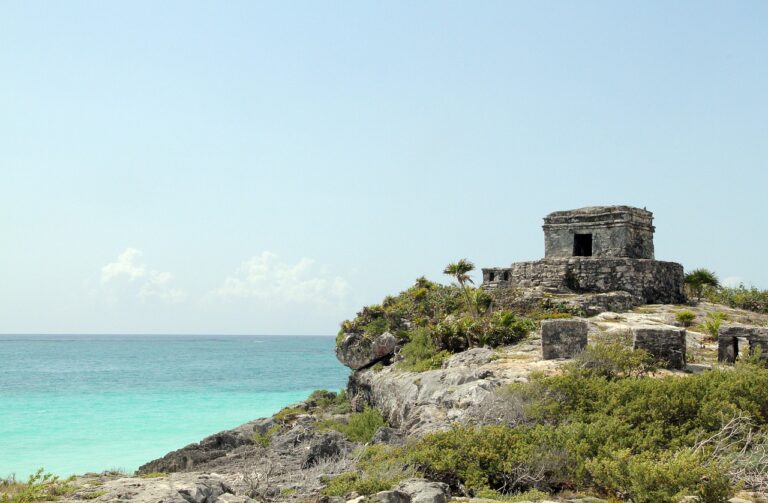
Plus, Cancun offers more than just beaches. Tourists have plenty of inland options, including cenotes (natural sinkholes), jungle excursions, Mayan ruins, and adventure parks. Even if the shoreline isn’t perfect, there’s no shortage of ways to enjoy a vacation here.
In Summary
Cancun is proving itself to be one of the most resilient destinations in the Caribbean. While other parts of Mexico are struggling with massive sargassum landings, Cancun is maintaining strong hotel occupancy rates and experiencing no drop in demand. Thanks to proactive cleanup strategies, creative long-term solutions, and strong international interest—especially from Canadian travelers—Cancun continues to thrive, even with seaweed on the shore.