
This “Secret” Cancun Beach Isn’t Worth It — Here’s Why
Every beach town has one: the secret spot.
The whispered recommendation. The “hidden gem” only locals supposedly know. The promise of a stretch of sand far from crowds, where you can sip a drink in peace and post photos that make everyone at home think you discovered paradise itself.
In Cancun, this legend takes many forms — Playa Delfines at sunrise, the “locals’ beach” near Punta Nizuc, an unnamed cove at the end of a dirt road. Social media loves to feed the fantasy: crystal water, no vendors, no noise, no tourists.
But here’s the truth most travelers learn the hard way:
that so-called secret beach? It’s not worth it.
If you’ve been tempted to spend half your day chasing Cancun’s “hidden” shoreline, read this first. The locals already know — the myth of the secret beach is just that: a myth.
The Myth of the Hidden Paradise
Cancun isn’t the kind of place that keeps secrets. It was literally designed for tourism — mapped, modeled, and built from scratch to host millions of visitors a year. Every inch of its coastline has been surveyed, developed, or claimed.
The idea of stumbling upon an untouched beach within 20 minutes of the Hotel Zone is as likely as finding an undiscovered Starbucks in Manhattan.
But that doesn’t stop the rumors.
Every season, travelers chase TikToks and blog posts that promise “the beach the locals don’t want you to know about.” They rent cars, take collectivos, walk through hotel paths, even hop fences — all to find that patch of sand no one’s Instagrammed yet.
And what do they find?
Trash.
Seaweed.
Erosion.
Mosquitoes.
And a long ride back with sunburn and disappointment.
The Long Walk to Nowhere
Most of these “secret” spots aren’t technically hidden — they’re just hard to reach. Punta Nizuc, for instance, sits at the southern tip of Cancun’s hotel zone and looks stunning from above. Influencers swear by its “off-the-grid” vibe.
But what they don’t show you is:
- The half-mile trek from the parking area through scrub and sand.
- The rough water and rocky bottom, making swimming risky.
- The strong currents that can pull even experienced swimmers off balance.
- The lack of facilities — no bathrooms, no umbrellas, no lifeguards.
- The tide line litter, which no resort is responsible for cleaning.
It’s not romantic. It’s raw. And unless you brought water, shade, and a sense of humor, it’s miserable by noon.
You may find a few locals there — fishermen, free divers, or couples escaping crowds — but they’re not lounging with margaritas. They’re surviving the heat, because they came prepared.
You, most likely, did not.
The Sargassum Surprise
That hidden cove might look perfect in a drone video shot in January, but show up in July and it’s a different story.
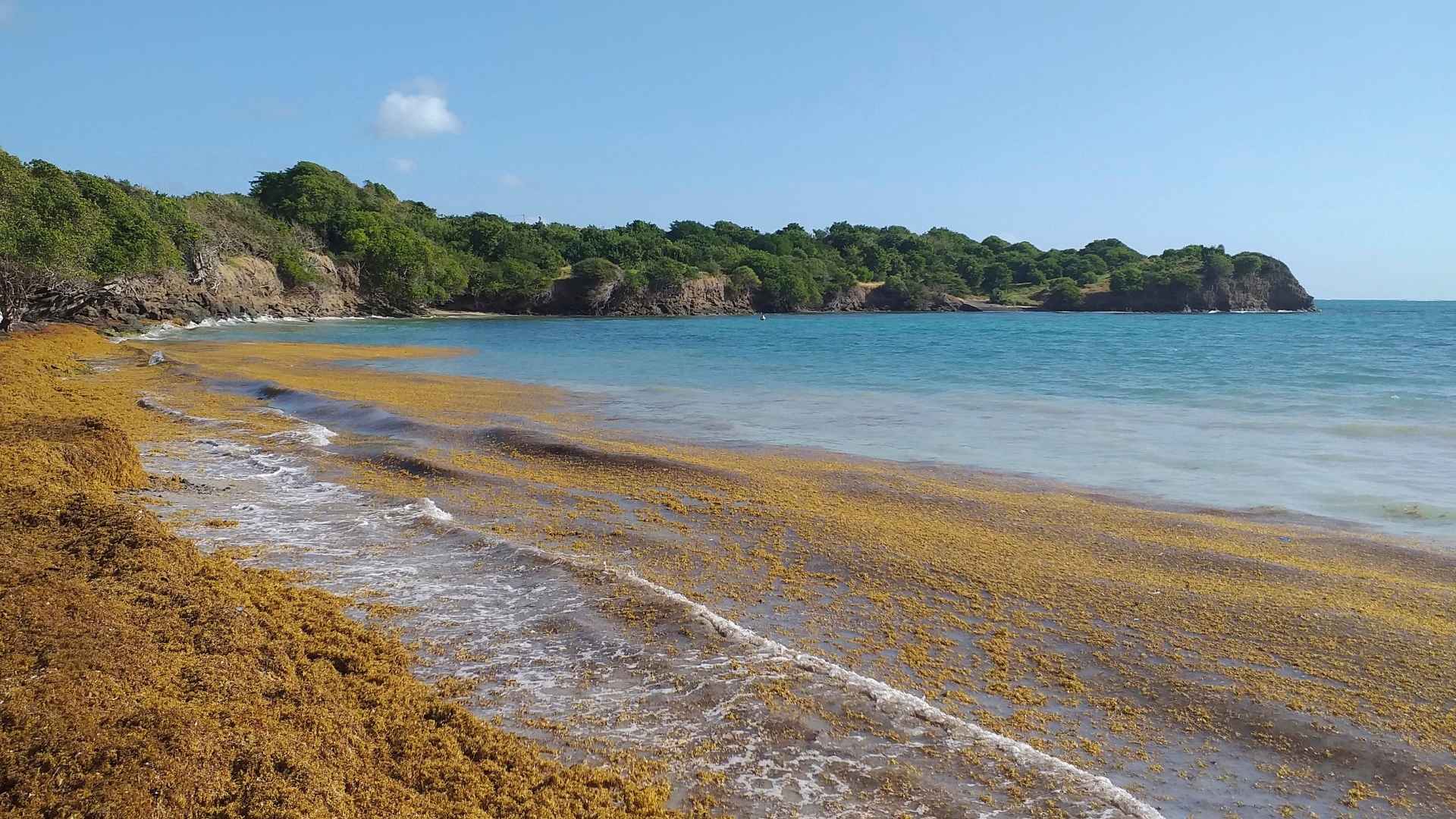
The same lack of resorts that makes a beach feel wild also means no cleanup crews. When sargassum season hits, the seaweed piles up unchecked, baking under the sun and releasing its now-infamous sulfur smell.
Locals will tell you the secret beaches are the first to rot when sargassum rolls in — the open shoreline collects more, and without tractors or barriers, it stays.
You’ll find yourself surrounded by brown foam, sticky mounds, and flies. Meanwhile, the supposedly “touristy” beach you were avoiding? It’s spotless, because someone’s been up since 5 a.m. raking it clean.
No Lifeguards, No Facilities, No Safety Net
Here’s another thing that influencers forget to mention:
Cancun’s secret beaches don’t come with safety infrastructure.
There’s no red flag system. No one monitoring currents. No shaded areas, snack bars, or first aid. If something goes wrong, you’re on your own — and in extreme heat or rip tides, “wrong” happens fast.
Locals know better. They grew up reading the water, understanding the wind, feeling the pull of currents before they become dangerous.
Visitors? Not so much.
And while that solitude might sound poetic, there’s nothing romantic about realizing you’ve gone hours without drinking water and your phone signal just died.
Trash Travels
Even if you do find an empty beach that looks pristine at first glance, give it a closer look. The truth is, trash drifts, and the less developed the beach, the more likely it’s where debris lands.
Plastic bottles. Old fishing nets. Stray flip-flops. Styrofoam. You’ll see it all, especially after storms or heavy wind. Locals know it’s not “Cancun’s fault” — the ocean brings in what the world throws out — but it can still ruin the illusion of untouched paradise.
The irony? The beaches cleaned daily by resorts — the ones many travelers dismiss as “too commercial” — often have the clearest sand and safest swimming water.
The Locals’ “Secret” Isn’t a Place — It’s a Time
People who live in Cancun aren’t hiding a beach from you. They’re avoiding the same crowds you are — they just do it smarter.
They don’t go looking for undiscovered coves.
They go to the same beaches as everyone else, just at different hours.
- Early mornings, before 9 a.m., when the sea is glass and the air still.
- Late afternoons, around sunset, when the crowds thin and the light turns gold.
- Weekdays instead of weekends.
- Off-season months, like November or early February, when prices drop and peace returns.
That’s the real “secret.” It’s not about where — it’s about when.
Locals know paradise isn’t found at the end of a dirt road. It’s found in the first quiet hour of daylight, when the only footprints in the sand are yours.
Beware the “Private Access” Myth
Some online guides or taxi drivers will offer to take you to “a secret private beach.” Sounds exciting, right? Until you realize “private” means unauthorized.
Much of the undeveloped coastline around Cancun is protected, privately owned, or ecologically sensitive. Entering without permission — or cutting through resorts and fenced paths — can get you fined or escorted out by security.
You’re not an explorer. You’re technically trespassing.
Locals shake their heads at this kind of tourism — not because they’re territorial, but because they understand the legal and environmental costs. The “no access” signs exist for a reason: dunes, turtle nests, or fragile mangroves. What looks like a shortcut to paradise could be a protected ecosystem that’s already under stress.
Comfort Isn’t a Crime
There’s a strange stigma among travelers now — as if avoiding crowds means “authentic,” and enjoying a clean, managed beach means you’ve “sold out.”
Locals don’t think that way. They know comfort doesn’t ruin a trip — it sustains it.
Having shade, clean bathrooms, and a bar that serves cold water doesn’t make you less adventurous. It just makes you smarter in a place where the sun can punish carelessness.
When locals want to relax, they head to beaches like Playa Langosta, Playa Tortugas, or Playa Marlin — public spots with lifeguards, bathrooms, and food stands. They bring umbrellas, music, and patience. They enjoy the ocean for what it is, not for what a travel influencer promised it would be.
Photography vs. Reality
Scroll social media, and you’ll see endless photos of “hidden” Cancun beaches — glassy water, no people, no litter, perfect light. What you don’t see? The editing, the cropping, the selective timing.
A drone at 7 a.m. can make any beach look empty. Zoom out two hours later, and there’s a crowd, a pile of sargassum, and a convenience store blaring pop music in the background.
Locals laugh because they know every one of those angles. They’ve watched travelers stage “off-grid” moments fifteen feet from a lifeguard tower.
There are no secrets here — only perspectives.
If You Want Solitude, Look South — Not Hidden
Here’s the insider advice locals actually give friends looking for quiet beaches: head south.
The Riviera Maya, stretching beyond Cancun toward Puerto Morelos, Playa del Carmen, and Tulum, has endless coastlines — many less crowded, many better maintained.
Or take the ferry to Isla Mujeres. Playa Norte there regularly ranks among the most beautiful beaches in the world, and even at its busiest, it manages to feel human, not chaotic.
Want genuine quiet? Drive a couple of hours farther to Mahahual or Xcalak, near the Belize border. Those beaches are still wild — but they’re meant to be. They have small eco-hotels, guides who know the reefs, and communities that respect the rhythm of the coast.
That’s how you do “hidden” right: by going where it’s supposed to be remote, not forcing solitude where it doesn’t belong.
The Real Secret Cancun Keeps
Here’s what the locals understand better than anyone else: Cancun’s not hiding beaches — it’s hiding balance.
The real magic isn’t in finding a spot no one else knows. It’s in seeing the beauty that millions already share and realizing it’s still worth protecting.
You don’t need to escape people to feel peace. You need to escape expectation.
Because what makes Cancun extraordinary isn’t seclusion — it’s energy. It’s the mix of music, culture, sea, and salt air that somehow feels like freedom.
The beaches aren’t secret.
They’re just misunderstood.
Final Thought: Stop Chasing Myths — Start Enjoying Reality
Locals smile when they hear tourists brag about “discovering” a new beach. They’ve heard the story a hundred times. It always ends the same way — with bug bites, seaweed, and a sheepish laugh.
Here’s the truth: Cancun doesn’t need hidden corners to be special. Its beauty isn’t exclusive — it’s generous.
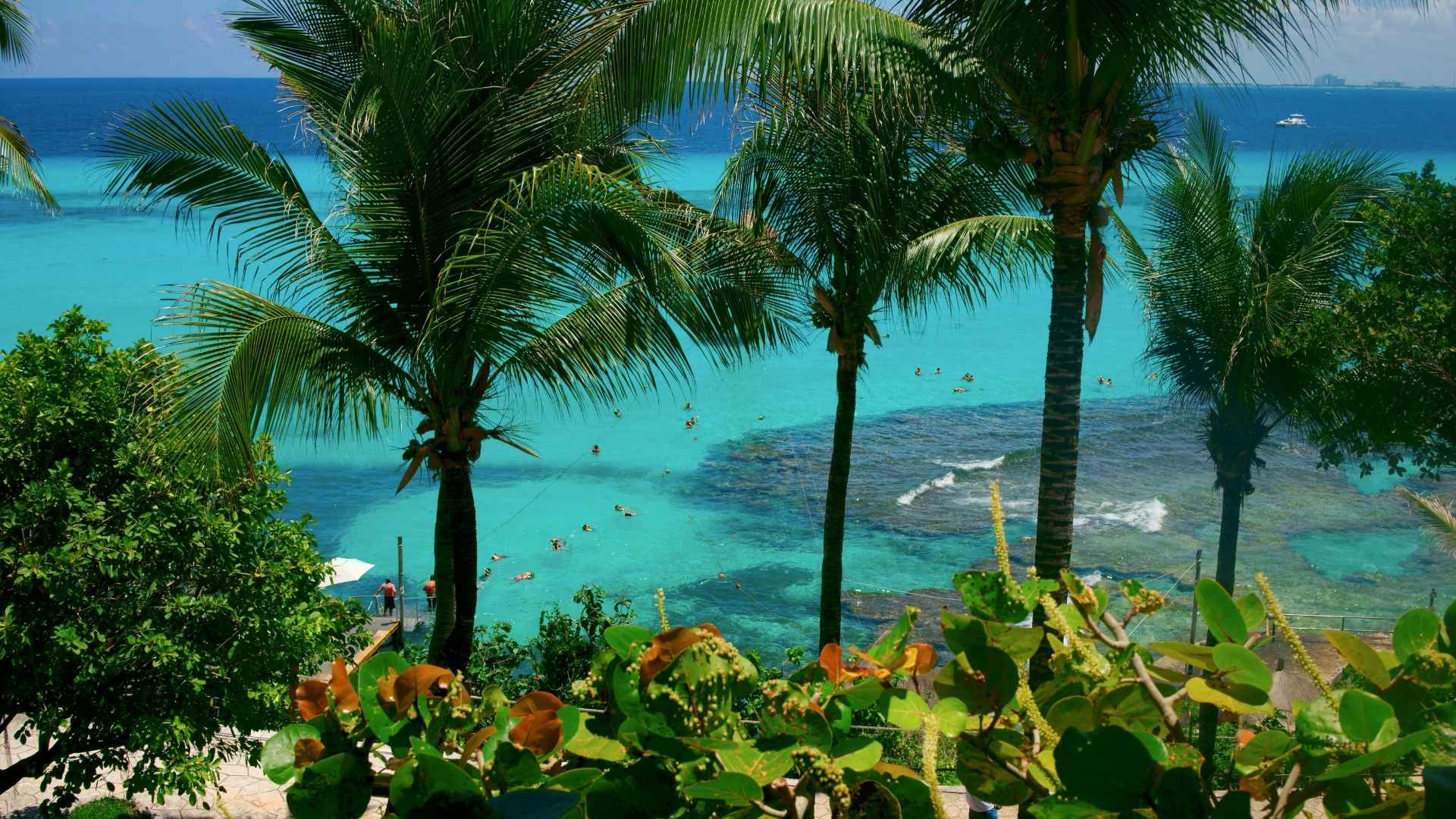
The real adventure isn’t finding what’s unseen — it’s learning to see what’s right in front of you: the morning light over the Caribbean, the rhythm of waves against the shore, the laughter of strangers sharing the same slice of sun.
Because in a place built on openness — on blue that stretches forever — the only real secret worth knowing is this:
Paradise isn’t hidden. It’s right here. You just have to stop chasing and start being.


![TOP 10 Best Nude Beaches in Mexico – [Popular & Hidden Spots]](https://cancuntravelblog.com/wp-content/uploads/2024/07/freestocks-flOVXZWbjJ4-unsplash-768x512.jpg)
