The Haunting Story Behind Cancun’s Famous Underwater Museum
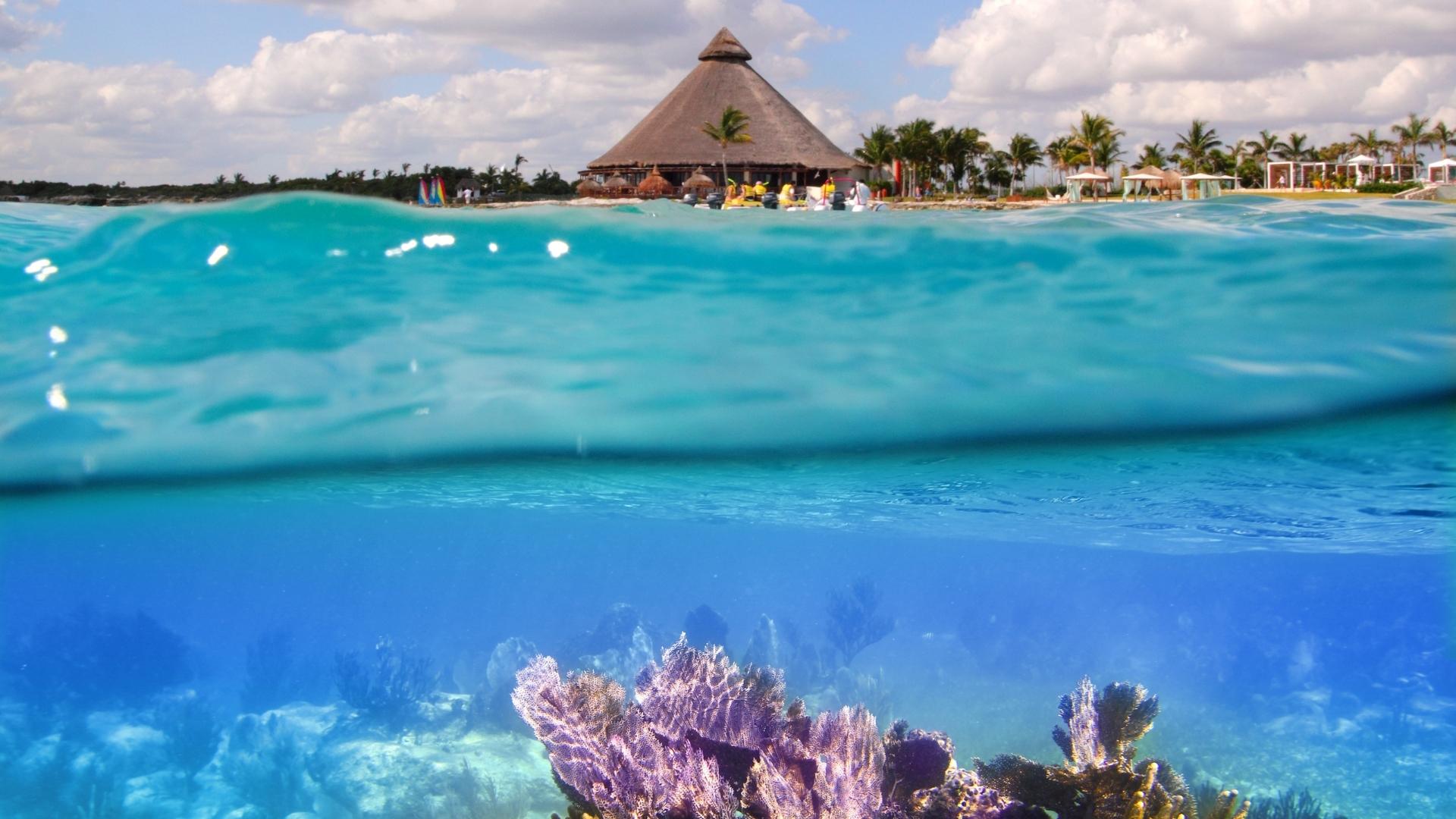
Beneath the sparkling turquoise waters of Cancun lies one of the most unusual art galleries in the world — a museum you can’t walk through, only dive into.
Known as the Museo Subacuático de Arte (MUSA), or the Cancun Underwater Museum, this submerged sculpture park is both breathtaking and unsettling. Hundreds of human figures rest silently on the ocean floor, slowly being consumed by coral and sea life.
To some, it’s a masterpiece of environmental art. To others, it feels eerie — almost haunted. But behind its haunting beauty is a powerful story about nature, memory, and the fragile balance between humans and the sea.
A Museum Born Beneath the Waves
The story of MUSA begins in 2009, when Cancun’s coral reefs were facing a crisis. Years of tourism, pollution, and hurricanes had taken their toll on the fragile marine ecosystem. Popular snorkeling spots were overcrowded, and divers unintentionally damaged coral formations while exploring them.
In response, Jaime González Canto, the then-director of the National Marine Park, had an unusual idea: create a man-made reef that would attract tourists away from the natural ones — and give marine life a new place to grow.
To bring this vision to life, he teamed up with Jason deCaires Taylor, a British sculptor and environmentalist known for blending art with conservation. Together, they would turn the seafloor into an underwater museum that told a story — not just of human creativity, but of our connection to the natural world.
The First Sculptures: Humanity Meets the Ocean
The first installation, called The Silent Evolution, became the heart of MUSA. It features more than 400 life-sized human figures standing in stillness on the ocean bed between Cancun and Isla Mujeres.
Each figure was cast from real people — local fishermen, farmers, teachers, and even children — creating a portrait of humanity preserved underwater. Over time, coral, algae, and fish have colonized the sculptures, transforming them into living reefs.
The result is surreal. From above, the scene looks ghostly — an underwater crowd frozen in time. But up close, the figures are teeming with life: sponges cling to arms, fish dart through hollow eyes, and coral blooms from shoulders like flowers.
The haunting quality comes not from death, but from transformation. The ocean is quite literally reclaiming humanity, turning art into ecology.
The Message Beneath the Surface
MUSA isn’t just an attraction; it’s a message carved in stone. Every sculpture tells a story about our relationship with nature and the choices we make as a species.
Jason deCaires Taylor has said that his goal was to create art that “changes over time, the same way nature does.” Instead of polished perfection, his sculptures invite decay and rebirth.
Each installation serves as a reflection on humanity’s impact — and our potential for harmony. Some of the most striking pieces include:
- “The Banker”, a group of men with their heads buried in sand, symbolizing ignorance toward environmental destruction.
- “The Last Supper”, a table set underwater, reminding viewers how our consumption patterns affect the planet.
- “Man on Fire”, a sculpture with holes designed to grow fire coral, merging danger and beauty.
These aren’t just art pieces — they’re living experiments. Over time, the sculptures have become habitats for coral, fish, and crustaceans, proving that beauty and sustainability can coexist.
A Hauntingly Beautiful Dive Experience
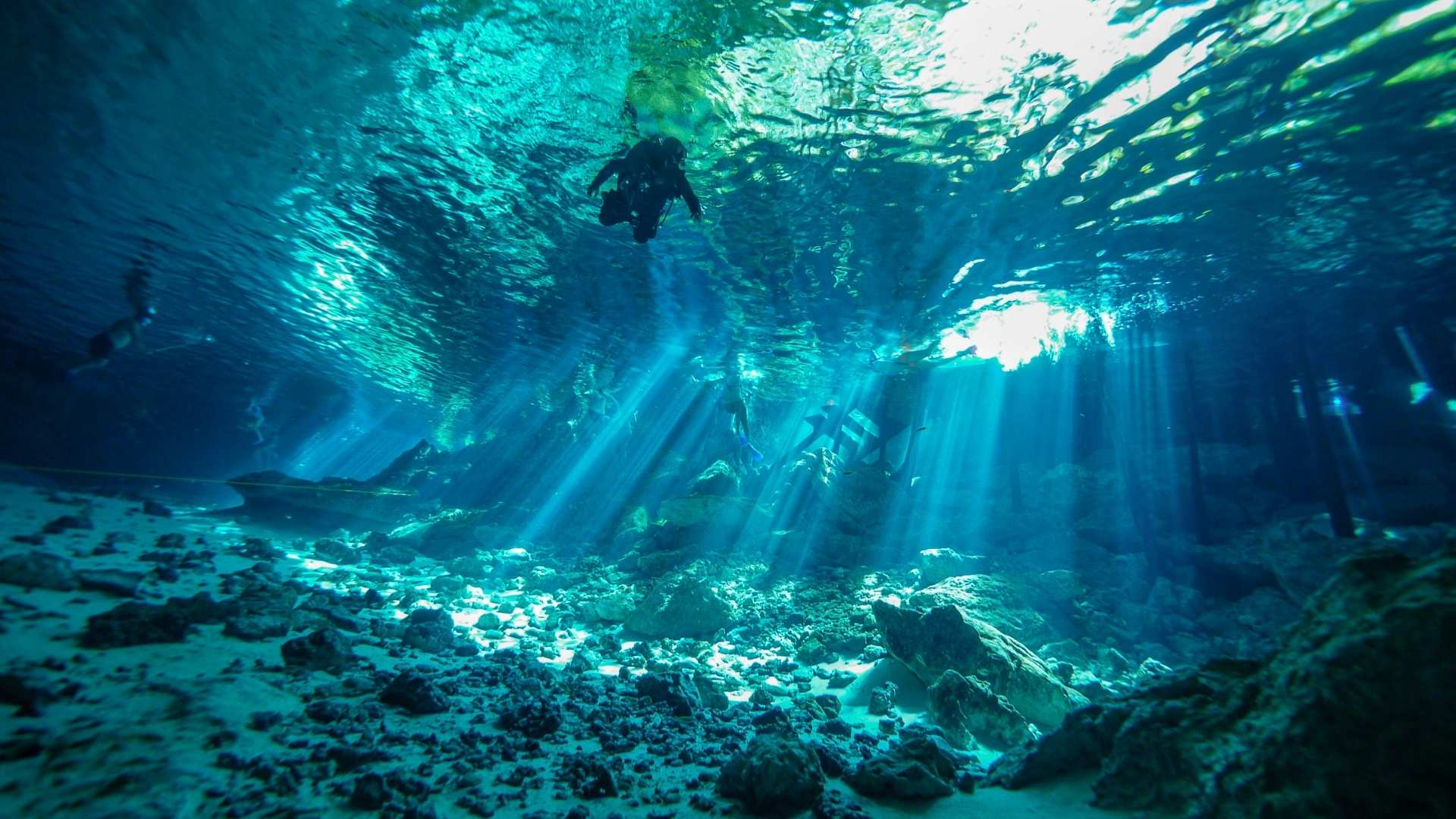
Visiting MUSA feels like entering another world. Divers describe a deep sense of calm and awe as they descend into the blue, watching human forms emerge from the water’s haze.
The silence amplifies everything — your breath through the regulator, the distant crackle of coral, the flicker of sunlight filtering down.
Whether you’re scuba diving or snorkeling, the experience is both mesmerizing and emotional. There’s something unsettling about seeing human faces underwater, as if witnessing the end of civilization — but also something profoundly hopeful in how nature takes over.
MUSA currently spans two main sites:
- Punta Nizuc, ideal for snorkeling, where the sculptures rest in shallow water.
- Manchones Reef, deeper and accessible by diving, home to most of the large-scale installations.
Together, they cover more than 420 square meters, making MUSA one of the largest underwater museums in the world.
From Concept to Conservation: How MUSA Helps the Ocean
What makes MUSA more than just an art installation is its real impact on marine life. The sculptures are made from pH-neutral marine-grade cement, designed specifically to encourage coral growth and withstand ocean currents.
Since their placement, researchers have recorded a steady increase in fish populations and coral diversity around the museum. By diverting thousands of divers away from natural reefs, MUSA also helps reduce human pressure on fragile ecosystems nearby.
In a sense, the museum functions as both an ecological sanctuary and an educational tool. It shows that art can heal, and that human creativity can be used not to dominate nature, but to restore it.
The Human Touch: The Faces Behind the Stone
Every sculpture at MUSA carries a personal story. DeCaires Taylor worked with dozens of local residents to create lifelike casts of their faces and bodies, transforming ordinary people into immortal underwater figures.
Some participants have described it as “donating” their likeness to the ocean — a poetic act of becoming part of something larger than themselves.
Many of the faces represent real people from Cancun’s community: fishermen who depend on the sea, artisans who carve from coral stone, and even children who symbolize the next generation.
Seeing them underwater evokes a strange duality — both loss and continuity. It’s as if the ocean holds not only their images but their memories.
The Ghostly Aura of MUSA
Part of what makes MUSA haunting isn’t just its location — it’s the emotion it stirs.
The sculptures, arranged in still groups, look eerily human. Divers often describe the feeling of being watched, surrounded by silent witnesses of our world above.
Sunlight filtering through the water gives the scene an otherworldly glow. As you swim past the figures, faces appear and vanish in the shifting light, like phantoms.
This haunting quality wasn’t accidental. DeCaires Taylor designed MUSA to confront the viewer with mortality and transformation — to remind us that nature always endures, even when we fade away.
It’s a place where art, decay, and life coexist in perfect balance.
Beyond MUSA: The Global Movement of Underwater Art
The success of MUSA inspired similar projects around the world. Jason deCaires Taylor went on to create underwater museums in Grenada, the Bahamas, Lanzarote, and Cyprus — all blending art with conservation.
But MUSA remains his most famous work, partly because of Cancun’s unique setting. The Caribbean waters here are crystal clear, allowing sunlight to illuminate every detail of the sculptures. The proximity to thriving coral reefs also makes it a natural extension of the marine ecosystem.
Today, MUSA stands as both a local symbol and a global model for sustainable tourism. It shows that art can draw visitors while also protecting nature, a rare harmony in the modern travel industry.
Planning Your Visit: How to See the Underwater Museum
There are several ways to experience MUSA, depending on your comfort level in the water:
1. Scuba Diving
The best way to see MUSA up close is by scuba diving at the Manchones Reef site, located between Cancun and Isla Mujeres. This area lies at depths of about 8–10 meters, perfect for both beginners and experienced divers.
2. Snorkeling
For those who prefer to stay near the surface, the Punta Nizuc site offers shallow sculptures visible from just a few feet below the water. It’s great for families and casual swimmers.
3. Glass-Bottom Boat Tours
If you’d rather stay dry, glass-bottom boat tours offer a way to observe the museum from above — though nothing compares to the feeling of floating among the sculptures themselves.
Whichever option you choose, the experience is unforgettable — equal parts eerie, peaceful, and inspiring.
The Meaning That Lingers
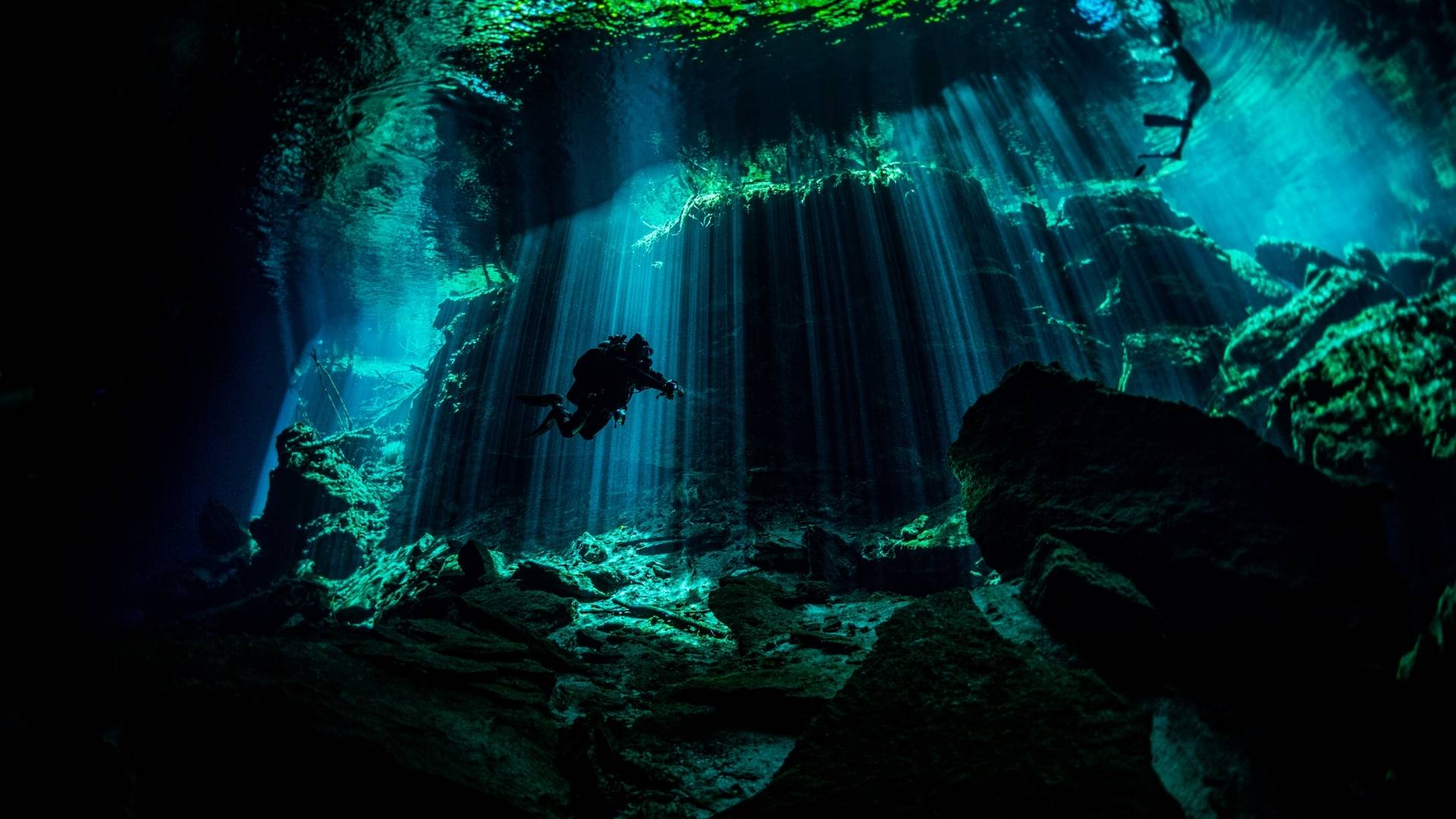
What makes MUSA so powerful isn’t just the art — it’s the silence.
Unlike traditional museums filled with chatter and footsteps, MUSA demands quiet reflection. It forces us to confront our connection to nature and the marks we leave behind.
Every coral that grows on a statue, every fish that finds shelter inside a hollow chest cavity, is proof that life always finds a way.
And that may be the haunting beauty of MUSA: it reminds us that even when humanity fades, nature continues the story.
Final Thoughts: The Ocean as a Living Museum
The Cancun Underwater Museum is more than an art installation — it’s a living symbol of transformation.
It’s about loss and rebirth, destruction and creation, silence and renewal. It shows us that even in the face of environmental crisis, there’s room for imagination, empathy, and hope.
As you swim through the still figures of MUSA, surrounded by coral and light, you realize that this is not a graveyard — it’s a garden. A place where art and ocean meet to remind us that life, in all its forms, is sacred and enduring.
So next time you’re in Cancun, take a dive not just into the sea, but into the soul of the Caribbean — where human hands have built something beautiful for nature to reclaim.


