The Truth About ‘Eco-Chic’ Resorts — Are They Really Sustainable or Just Marketing?
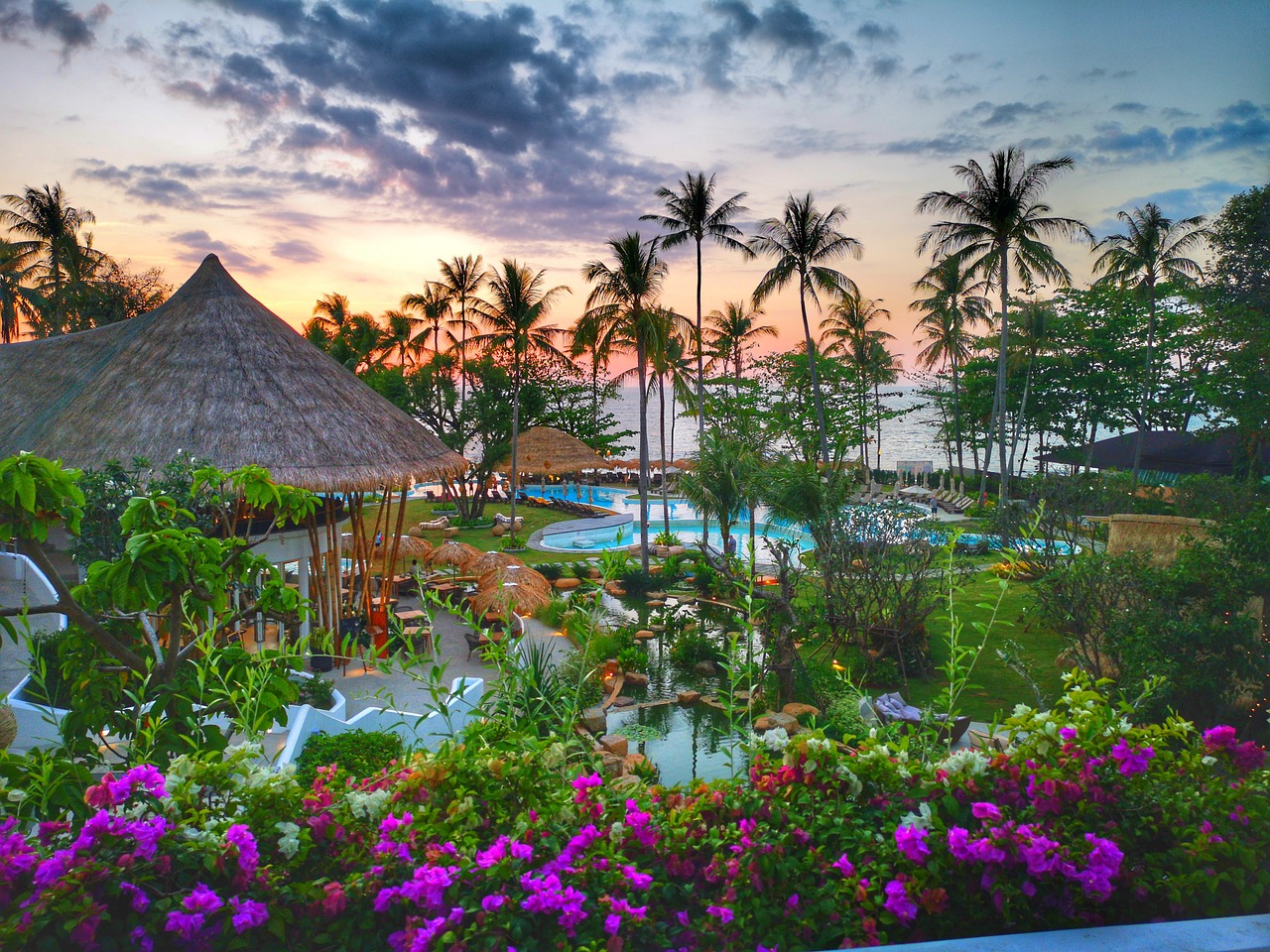
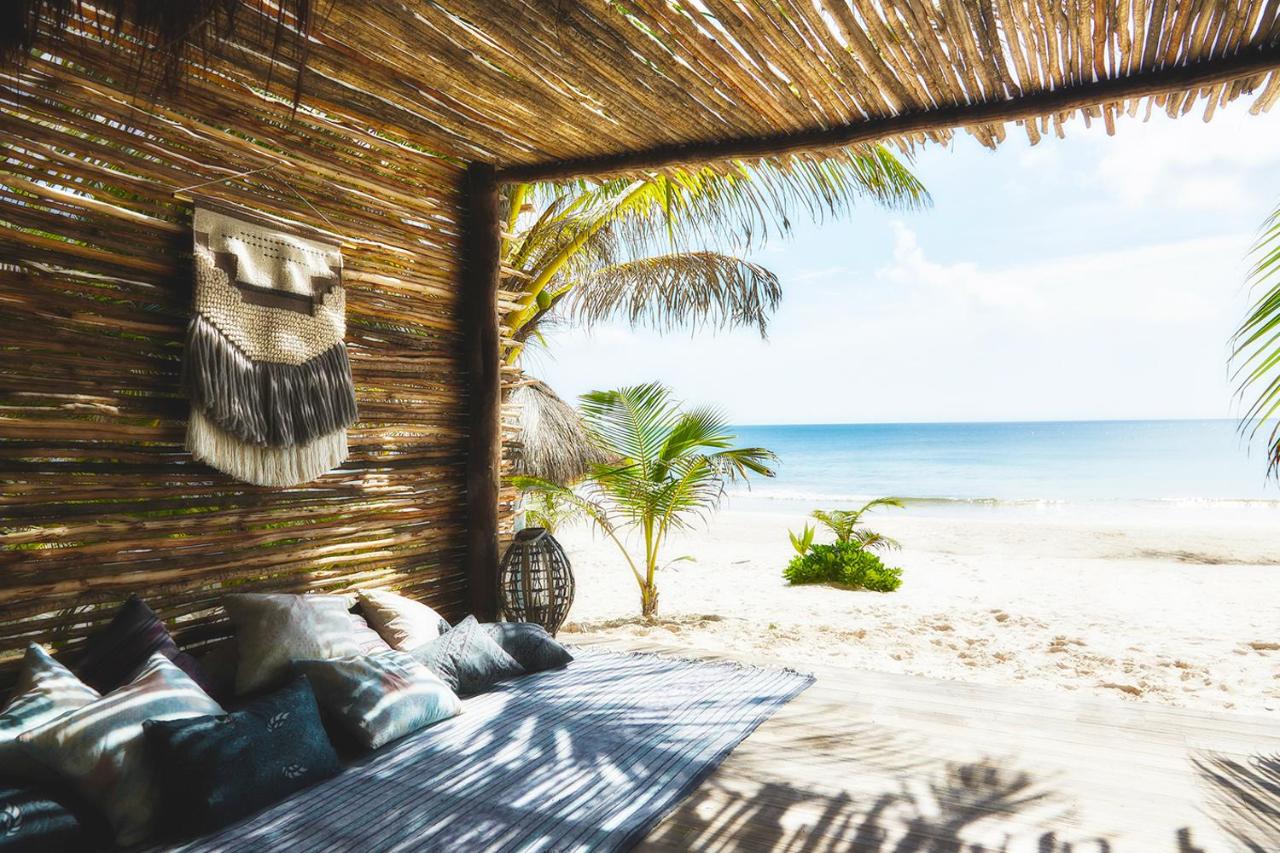
From the outside, it’s easy to fall in love with the “eco-chic” dream: bamboo bungalows glowing under fairy lights, yoga mats facing the Caribbean Sea, solar-powered villas tucked between palm trees.
Everywhere you look in Cancun and the Riviera Maya, resorts are reinventing themselves as eco-friendly, sustainable, and conscious.
But behind the buzzwords and Instagram-perfect sunsets, a question lingers — are these eco-chic resorts truly helping the planet, or just cashing in on the green trend?
In the era of “sustainable travel,” it’s a question worth asking. Because while travelers are seeking more meaningful, environmentally responsible experiences, not all that glitters (or composts) is gold.
Let’s dig deeper into the reality behind Mexico’s eco-chic tourism boom — and uncover what’s real, what’s hype, and what lies in between.
1. The Rise of the Eco-Chic Trend
Over the past decade, the Riviera Maya has undergone a transformation. Once known primarily for massive all-inclusives and nightlife, it has now become the epicenter of the eco-luxury movement — where rustic meets refined, and sustainability meets style.
Resorts now advertise themselves with phrases like “off-grid luxury,” “organic design,” and “mindful hospitality.”
They promise minimal environmental impact while offering maximum comfort: rainwater showers, vegan menus, biodegradable toiletries, and beachfront yoga at sunrise.
The appeal is undeniable. Modern travelers want more than just a vacation — they want to feel good about where they spend their money. And in theory, eco-chic resorts offer the perfect blend: sustainability wrapped in sophistication.
But does every resort that markets itself as eco-friendly actually live by its own promises?
2. What “Eco-Chic” Really Means (and Doesn’t Mean)
“Eco-chic” sounds impressive, but it’s not an official certification or regulated term.
In other words, any resort can call itself eco-chic without necessarily meeting environmental standards.
At its best, eco-chic represents a thoughtful balance between ecological responsibility and luxury — where sustainability is built into every detail, from architecture to waste management.
At its worst, it’s just greenwashing: using nature-inspired aesthetics to market a conventional resort with little real commitment to the planet.
You can recognize the difference when you look closely.
True eco-resorts integrate with their surroundings — minimal footprint, renewable energy, local sourcing, community support.
Fake ones just add bamboo furniture and call it a day.
3. The Irony of “Sustainable Luxury”
There’s a paradox at the heart of the eco-chic movement: can luxury ever be truly sustainable?
Luxury by nature often means exclusivity — air-conditioned villas, private plunge pools, imported wines, and staff catering to every need. All of this requires energy, materials, and labor.
So when a resort offers “eco-luxury,” it’s walking a fine line. Yes, some genuinely offset their impact through solar power, water recycling, and local sourcing. But others simply rebrand indulgence as sustainability, hoping guests won’t notice the contradiction.
As one local environmentalist in Tulum put it:
“They say they’re saving the planet — but how many generators are running behind those beachfront cabanas?”
4. How the Riviera Maya Became a Hotspot for Eco-Hype
The Riviera Maya’s natural beauty makes it the perfect backdrop for eco-tourism — lush jungles, cenotes, and the world’s second-largest barrier reef.
But rapid development has created a double-edged sword. Resorts claim to protect the environment while building over fragile ecosystems. In areas like Tulum, mangroves have been cleared for boutique hotels, and sewage leaks have damaged coral reefs.
Ironically, the same regions that promote “eco-chic living” are often the most ecologically strained.
The issue isn’t necessarily ill intent — it’s inconsistency. Some resort owners invest heavily in green infrastructure; others rely on style and storytelling to appear sustainable.
And travelers, often eager for the illusion of ethical escape, rarely question it deeply.
5. What Real Sustainability Looks Like
So what does a truly sustainable resort look like in Mexico?
Here are a few key indicators:
- Renewable Energy Use: Solar panels, wind power, or energy-efficient systems that reduce carbon output.
- Waste Management: Composting, recycling, and minimal plastic usage — not just symbolic gestures.
- Water Conservation: Rainwater collection, greywater systems, and biodegradable cleaning products.
- Community Involvement: Hiring and training locals, supporting nearby villages, and sourcing food regionally.
- Eco-Architecture: Structures built around — not over — the natural landscape.
You’ll know a resort walks the talk when sustainability isn’t just a line on their website — it’s visible in every detail, from the way they treat staff to how they handle waste.
6. The Role of Local Communities
The heart of real sustainability isn’t bamboo or organic soap — it’s people.
In the Riviera Maya, indigenous and local communities play a crucial role in preserving natural resources. Yet, in many so-called eco-resorts, the benefits don’t always reach them.
Some resorts rely on imported staff, foreign investors, and luxury pricing that locals could never afford. Meanwhile, communities nearby face rising living costs and limited access to clean water — even as tourists sip cocktails labeled “locally sourced.”
Authentic sustainability should mean more than environmental responsibility — it should include economic fairness and cultural respect. Supporting local artisans, paying fair wages, and celebrating regional traditions all count more than aesthetic “eco vibes.”
7. Greenwashing in Paradise
In marketing terms, “greenwashing” refers to making false or exaggerated claims about environmental responsibility.
And unfortunately, the tourism industry is full of it.
You’ll find resorts boasting “eco-certifications” that don’t actually exist, or highlighting one green initiative while ignoring others. For instance, a hotel may promote its organic menu — but import all its ingredients by air freight.
Greenwashing works because it tells travelers what they want to hear: that they can enjoy luxury and save the planet. But genuine sustainability isn’t always glamorous — it’s about compromise, efficiency, and humility.
As one Mexican tourism consultant put it:
“The real eco-resorts aren’t always the ones with the perfect Instagram aesthetic — they’re the ones with imperfect walls, solar panels, and no air conditioning.”
8. The Cost of Looking “Natural”
Eco-chic resorts often market simplicity — bare walls, driftwood décor, rustic hammocks — but ironically, achieving that look can be expensive and resource-heavy.
Imported “natural materials,” luxury organic fabrics, and design-focused construction can leave a bigger environmental footprint than traditional local building methods.
In contrast, older coastal lodges built from palm, limestone, and local wood often embody sustainability without trying to look it.
The aesthetic of nature and the practice of sustainability are not the same thing — and many travelers are starting to notice.
9. Why Travelers Fall for the Illusion
So why do so many of us fall for eco-chic marketing?
Because it offers something emotionally powerful: the idea of guilt-free indulgence.
We want to believe that we can sip cocktails under the stars and still be part of the solution. The words “eco,” “green,” and “sustainable” soothe our conscience — they let us feel connected to nature without sacrificing comfort.
It’s not deception; it’s desire. We crave balance, and the eco-chic dream promises exactly that. But awareness is the first step toward more mindful travel choices.
10. The Good News: Change Is Happening
Not all hope is lost — in fact, many resorts across the Riviera Maya are leading real environmental change.
Some have partnered with local environmental groups to protect coral reefs, manage waste responsibly, and invest in renewable energy.
Others are experimenting with regenerative tourism — a step beyond sustainability that actually improves the local ecosystem rather than just preserving it.
And perhaps most importantly, travelers are becoming more informed. Social media, reviews, and sustainability watchdogs have made it harder for companies to fake eco-consciousness.
The movement is evolving — slowly, imperfectly, but undeniably forward.
11. How to Spot Genuine Eco-Chic Resorts
Before booking your next trip to Cancun or Tulum, here are some tips to tell real sustainability from marketing spin:
- Look for verified certifications: Genuine credentials include EarthCheck, Green Globe, or Rainforest Alliance.
- Read between the lines: Are they talking about specific programs or just vague buzzwords like “eco-friendly lifestyle”?
- Ask questions: Where does their water come from? How do they manage waste? Who do they hire locally?
- Check reviews: Travelers often notice details — good and bad — that reveal how green a resort truly is.
If an establishment can’t answer these questions clearly, it probably isn’t as sustainable as it claims.
12. A Better Way to Be an Eco-Traveler
Ultimately, the responsibility doesn’t just fall on resorts — it’s on all of us.
You can practice sustainability anywhere by:
- Choosing locally owned accommodations over international chains.
- Bringing a reusable water bottle and avoiding single-use plastics.
- Respecting natural spaces and wildlife.
- Supporting local guides, artisans, and restaurants.
- Traveling outside peak seasons to reduce environmental strain.
Real eco-travel isn’t about labels — it’s about awareness, respect, and conscious choices.
13. The Future of Sustainable Luxury in Mexico
As Mexico’s tourism industry evolves, the line between luxury and sustainability may finally blur — for real.
Tomorrow’s travelers are demanding authenticity over appearance. They want transparency, not token gestures. And resorts that fail to adapt risk being left behind.
Already, new boutique hotels and eco-communities are proving that comfort and consciousness can coexist — not through marketing, but through innovation.
From solar-powered jungle lodges to reef restoration programs funded by tourism, the Riviera Maya’s most visionary properties are quietly redefining what “eco-chic” truly means.

14. The Takeaway: Beyond the Buzzword
So, are eco-chic resorts truly sustainable or just marketing?
The truth lies somewhere in the middle.
Some are genuinely changing the game — redefining how travel can give back to nature and local communities. Others, unfortunately, are using the “eco” label as window dressing for business as usual.
But the power to shape the future of tourism belongs to travelers. Every conscious booking, every question asked, every eco-choice made helps push the industry toward authenticity.
Because sustainability isn’t a style.
It’s a mindset.
And the real luxury — the kind you can’t fake with bamboo and buzzwords — is knowing that your paradise didn’t come at the planet’s expense.