Why Everyone’s Leaving the Resort Pool for Cenote Baths in the Jungle
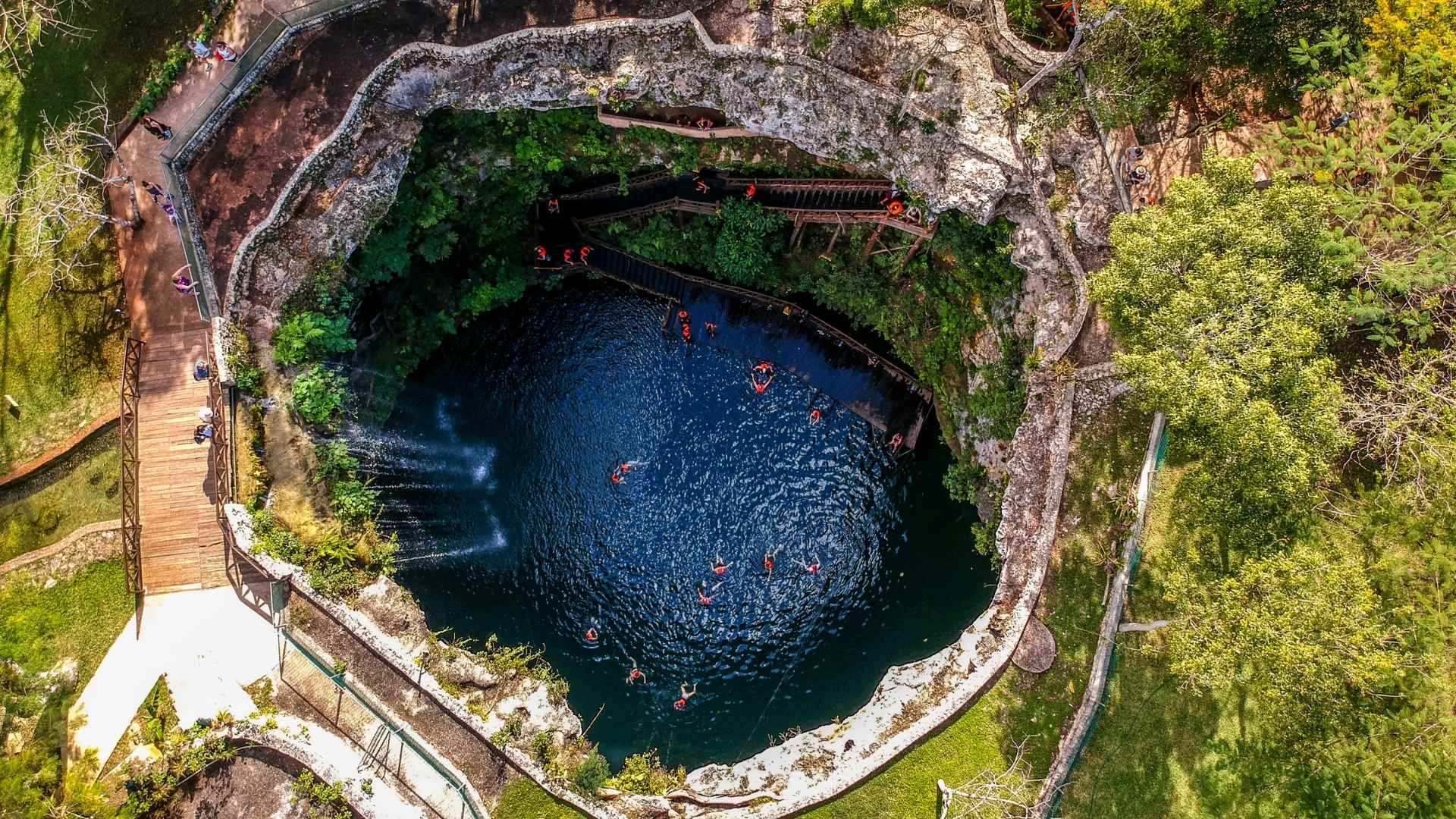
For decades, Cancun and the Riviera Maya have been synonymous with infinity pools, ocean-view cocktails, and lazy afternoons spent drifting between cabanas. But lately, something interesting is happening — a quiet migration away from chlorinated luxury and toward something raw, ancient, and breathtakingly beautiful: the cenotes hidden deep in the jungle.
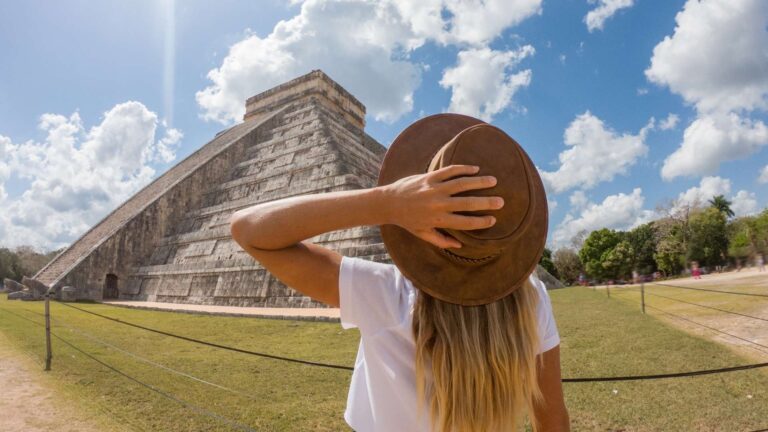
These natural sinkholes, carved into the limestone thousands of years ago, were once sacred to the Maya people. Today, they’ve become a must-see for travelers who want to escape the predictable resort life and reconnect with something wild, spiritual, and real.
But what’s driving this shift? Why are more and more travelers trading pristine pools for mysterious underground lagoons? Let’s dive in.
A Different Kind of Luxury
Resort life in Cancun is easy. Everything is curated, convenient, and controlled — the food, the music, the drinks, even the temperature of the water. Yet, for many travelers, that predictability has started to feel… uninspiring.
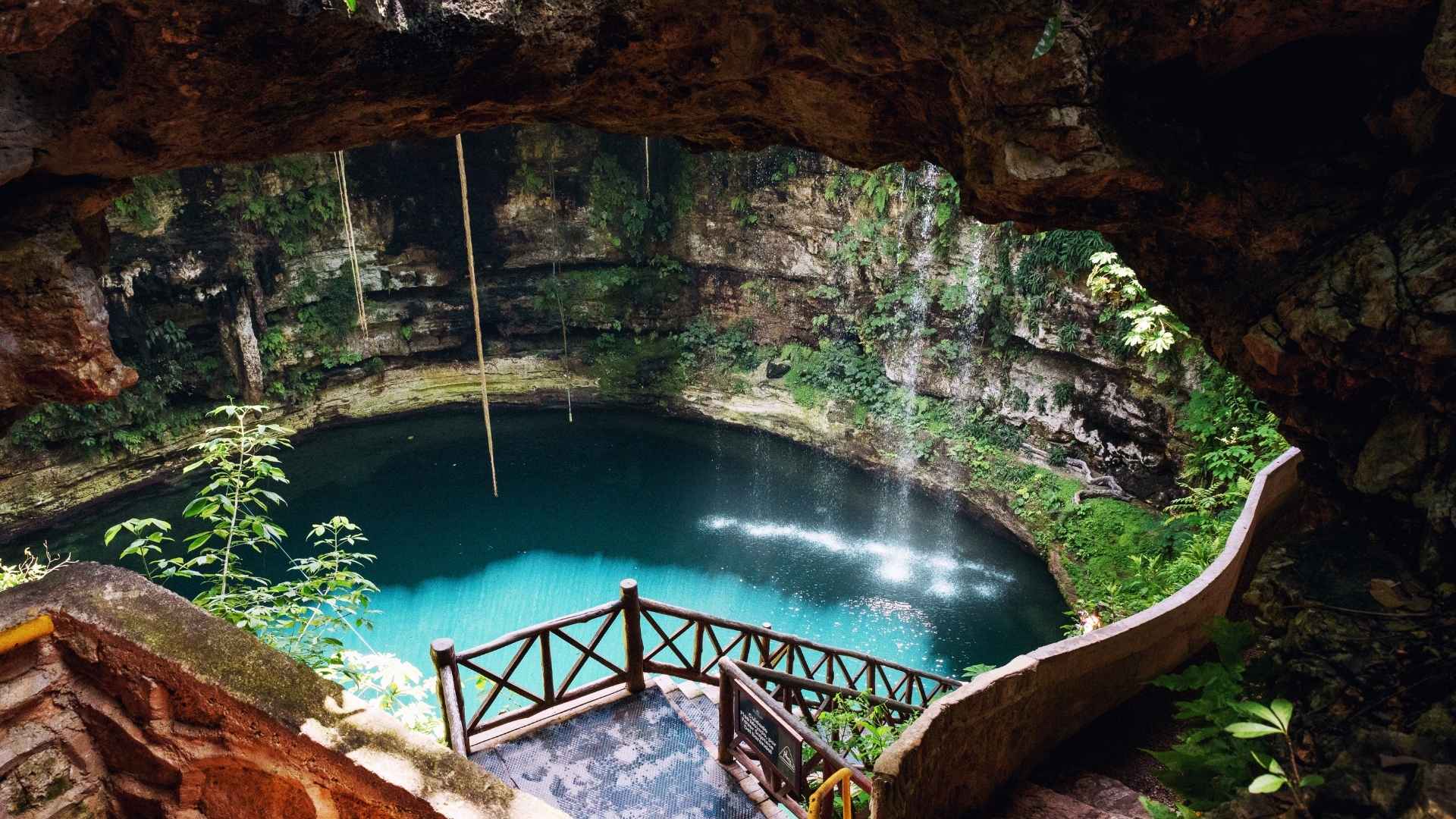
Cenotes, on the other hand, offer the exact opposite. Each one is unique — some open to the sky, others hidden in caves, their waters glowing turquoise under shafts of sunlight. There’s no bartender, no playlist, and no chlorine smell. Just pure nature, echoing silence, and the feeling that you’ve stumbled into another world.
In a sense, cenotes have become the new definition of luxury: authentic, natural, and unfiltered. Instead of sitting by the pool, travelers float beneath cathedral-like rock formations or jump from limestone ledges into the cool, sacred waters below. It’s not comfort — it’s connection.
The Spiritual Pull of the Cenote
Long before Instagram discovered their magic, cenotes were deeply spiritual places for the ancient Maya. They believed these water-filled sinkholes were portals to the underworld — gateways to communicate with their gods.
Some cenotes still carry this energy. Locals often make offerings — flowers, candles, or copal incense — before entering. It’s a quiet act of respect for the land and for the spirits believed to dwell within.
For modern travelers, this sense of reverence has translated into something different but equally powerful: mindful tourism. Instead of drinking in swim-up bars, visitors are meditating by the water, practicing yoga on stone platforms, or simply floating in stillness.
It’s more than a swim — it’s an experience of letting go of noise and control. You can’t adjust the water temperature or order another mojito. You just breathe, float, and surrender to the jungle’s rhythm.
A Hidden World Beneath the Surface
What makes cenotes so fascinating is that they’re part of one of the largest underground river systems on Earth. Beneath the Yucatán Peninsula lies a labyrinth of caves and tunnels that connect many of these sinkholes — a vast, watery network stretching for miles.
When you swim in a cenote, you’re not just floating in a pool. You’re part of a geological wonder that took millions of years to form. Divers who explore these underwater passages describe crystal-clear water, shimmering stalactites, and beams of light piercing through the depths — like exploring a cathedral carved by nature.
Not all cenotes are open for deep diving, but even those accessible from the surface offer glimpses of this hidden world. In some, tiny fish nibble your toes; in others, bats flutter in the shadows above. Every cenote feels alive, as if it’s quietly breathing beneath the jungle canopy.
The Rise of the ‘Cenote Day Trip’
The shift from poolside lounging to cenote exploring has sparked a new kind of travel experience across Cancun and the Riviera Maya. Resorts now offer guided day trips that blend adventure with cultural storytelling.
Travelers can bike through dense jungle trails, stop for local tacos in small villages, and cool off with a swim in a secluded cenote. Some tours even include spiritual ceremonies led by Maya elders — a chance to blend history, nature, and wellness in a single day.
The best part? Each cenote has its own personality.
- Cenote Dos Ojos near Tulum feels like a movie set — two massive pools connected by underwater passages that glow blue under sunlight.
- Cenote Suytun, near Valladolid, is famous for its dramatic stone platform and the beam of light that hits it like a spotlight.
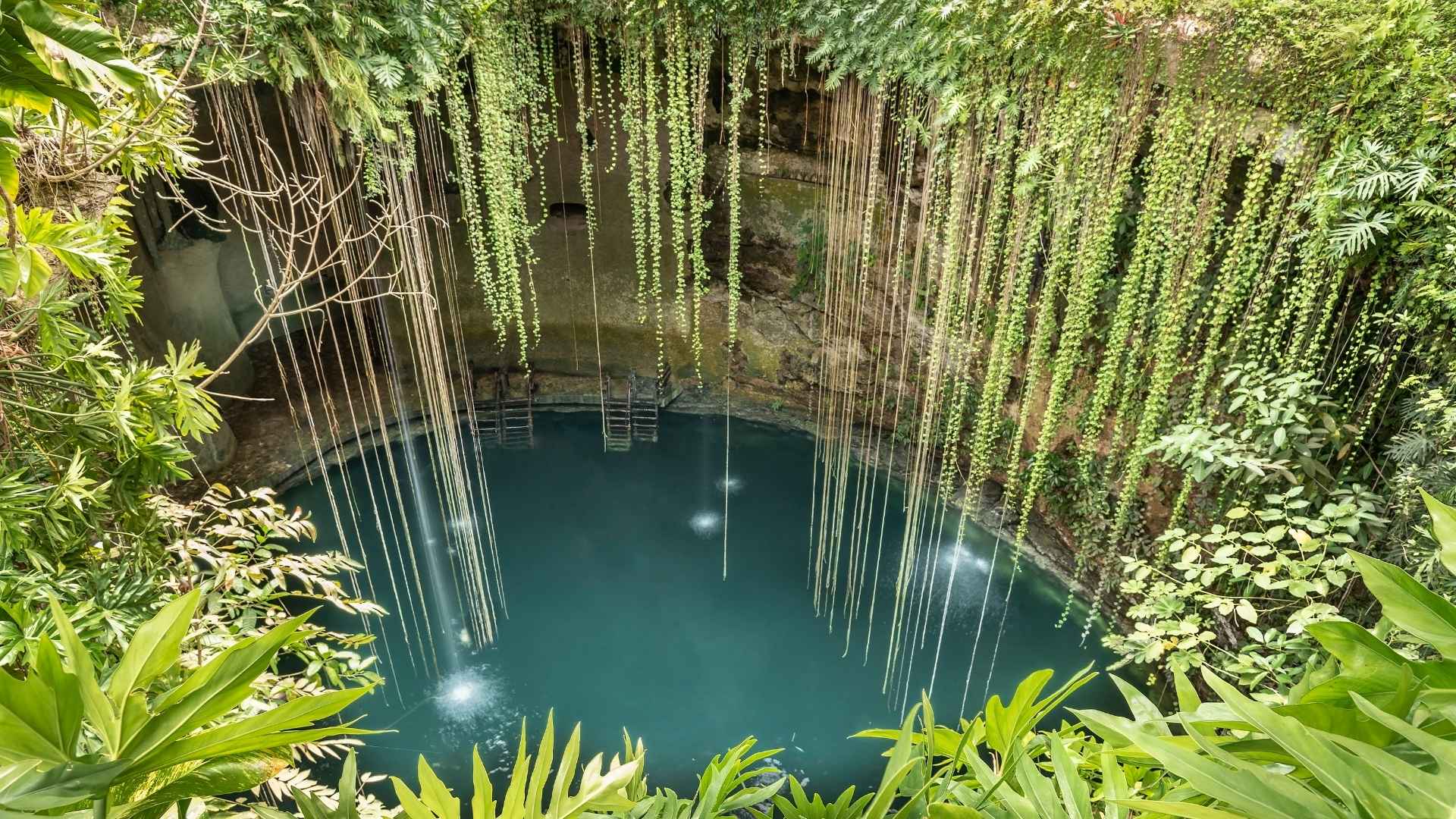
- Cenote Oxman, hidden behind Hacienda San Lorenzo, combines history with beauty, framed by hanging vines and old colonial walls.
Each visit feels like uncovering a new secret, and that sense of discovery has become part of cenotes’ irresistible appeal.
An Instagram Dream (and a Reality Check)
Let’s be honest — part of the reason cenotes exploded in popularity is because they look incredible on social media. The glowing water, the vines, the caves — they’re photogenic from every angle.
But travelers who expect a private paradise might be surprised. Many cenotes now draw crowds, especially near Tulum or Playa del Carmen. The trick is timing — go early in the morning or on weekdays to enjoy the silence that makes them so special.
More importantly, treat them with respect. These natural pools are fragile ecosystems. Sunscreen, lotions, and insect repellent can harm the delicate water chemistry, which is why many places require you to rinse off before entering.
It’s not just about taking the perfect shot — it’s about leaving the place as pristine as you found it.
Why Cenotes Feel So Different
The reason cenotes captivate travelers goes beyond their beauty. It’s about how they make you feel.
In resorts, everything is designed for ease. You’re pampered, catered to, and shielded from discomfort. But in a cenote, you’re reminded that you’re part of nature, not above it.
You walk barefoot over limestone, hear the jungle buzz around you, and plunge into cold, mineral-rich water that shocks your senses awake. There’s no Wi-Fi, no waiter — just you, the earth, and time standing still.
In a world of screens and schedules, that feeling of disconnection has become the ultimate luxury. Cenotes give you something the resort pool never can: a moment of humility and awe.
How Locals See It
For the people who live in the Yucatán, cenotes are more than tourist attractions. They’re sources of freshwater, sacred spaces, and a part of their identity.
Many communities have started managing cenotes collectively, charging small entrance fees that go toward conservation and education. It’s a model that’s helping preserve both the environment and local livelihoods.
This growing respect between travelers and locals marks a positive shift in Cancun’s tourism culture — one that favors sustainability and authenticity over convenience. The move from resort pools to cenote baths isn’t just a travel trend. It’s a reflection of travelers’ changing values.
A Return to Simplicity
There’s something timeless about swimming in a cenote. You can almost feel the layers of history — the ancient rituals, the quiet reverence, the thousands of years that shaped each stone and ripple.
In that sense, cenotes remind us that luxury doesn’t always mean opulence. Sometimes it’s simplicity — water so clear you can see your reflection, air filled with jungle scent, and a sense of being completely present.
So next time you find yourself in Cancun, skip the poolside margarita for a few hours. Head into the jungle, find a hidden cenote, and dive into something older than civilization itself.
You’ll emerge not just refreshed, but renewed — a little more connected to the world beneath the surf