
5 Facts About Chichen Itza that Might Surprise You!
Chichen Itza, the crowning jewel of Mayan civilization, stands as a testament to the ingenuity, architectural prowess, and cultural richness of the ancient Mayans. Located in the Yucatán Peninsula of Mexico, this UNESCO World Heritage site is one of the most visited archaeological sites in the world. The ruins tell stories of a civilization that was deeply connected to astronomy, religion, and art. In this article, we’ll delve into five compelling facts about Chichen Itza that highlight the significance and grandeur of this ancient wonder.
1. The Enigmatic Pyramid of Kukulkan: A Testament to Astronomical Mastery
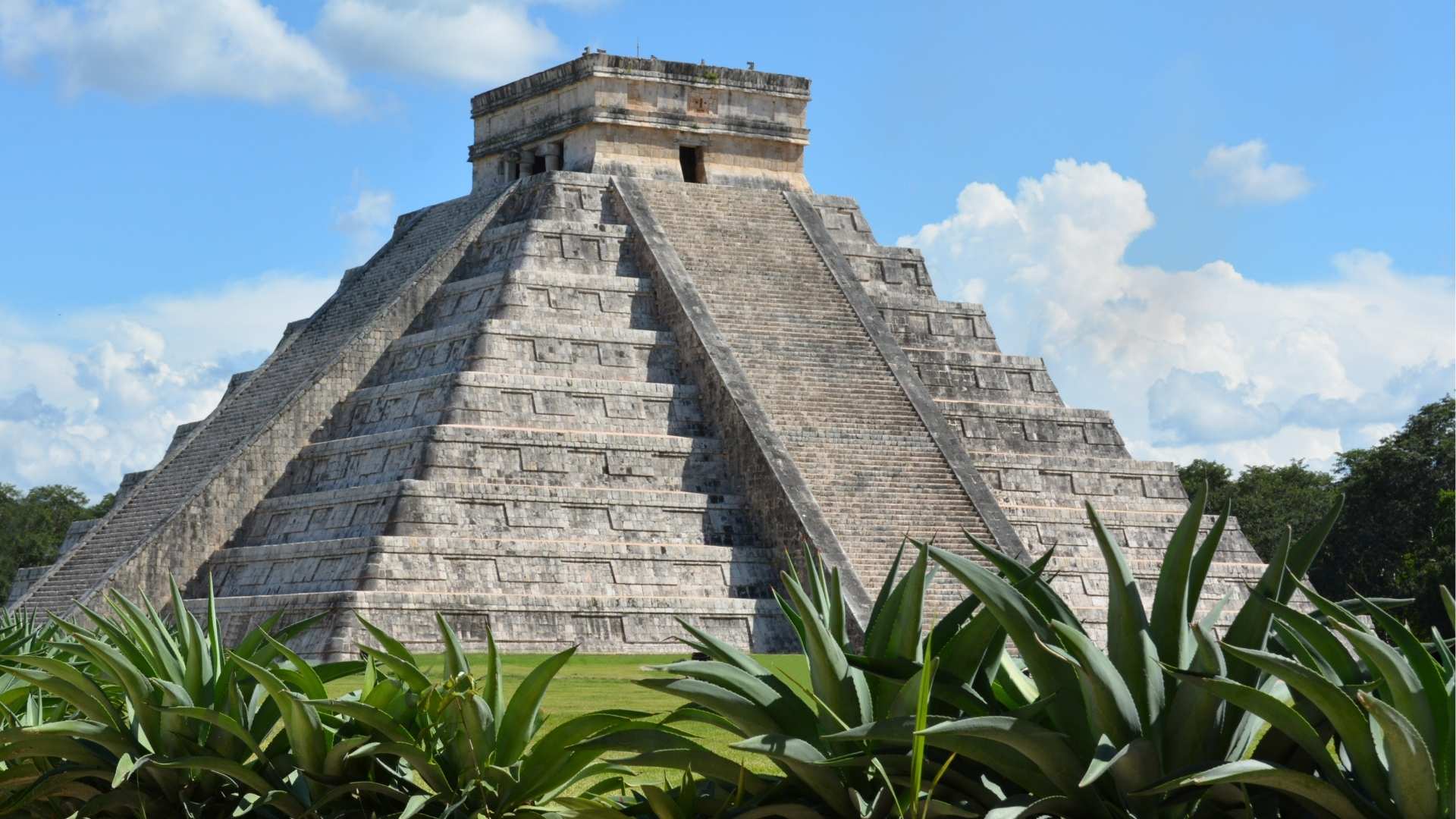
At the heart of Chichen Itza lies the Pyramid of Kukulkan, also known as “El Castillo” (The Castle). This towering structure is more than just an architectural marvel; it is a sophisticated calendar that embodies the Mayan’s deep understanding of astronomy and mathematics.
The pyramid has 365 steps, corresponding to the number of days in a solar year, with 91 steps on each of its four sides leading to the temple at the top. On the equinoxes, an extraordinary phenomenon occurs: the sun casts a series of shadows on the northern staircase, creating the illusion of a serpent descending the pyramid. This event is a homage to Kukulkan, the feathered serpent god, and serves as a powerful reminder of the Mayans’ advanced knowledge of celestial cycles.
2. The Sacred Cenote: A Portal to the Underworld
Chichen Itza is home to several cenotes, natural sinkholes filled with water, which held great spiritual significance for the Mayans. The most famous of these is the Sacred Cenote, or Cenote Sagrado, which was believed to be a gateway to the underworld.
The Mayans used the cenote for religious ceremonies, including sacrifices to the rain god Chaac. Archaeological excavations have uncovered a wealth of artifacts from the cenote, including gold, jade, pottery, and even human remains, suggesting that it was a place of great reverence and ritual importance. The cenote not only provided water in an otherwise arid region but also served as a vital connection between the physical and spiritual worlds in Mayan belief.
3. The Great Ball Court: Echoes of Ancient Rituals
The Great Ball Court at Chichen Itza is the largest and best-preserved ball court in ancient Mesoamerica. Measuring 545 feet (166 meters) in length and 225 feet (69 meters) in width, it was the setting for the Mesoamerican ballgame, a sport that was as much a religious ceremony as it was a competition.
The game, played with a rubber ball, required players to strike the ball through stone rings mounted high on the court’s walls using only their hips, elbows, and knees. The stakes of the game were high; it is believed that the losing team, or perhaps just its captain, would be sacrificed to the gods. The acoustics of the ball court are astonishing, with voices and claps echoing across the massive arena, making it a marvel of ancient engineering. The ballgame symbolized the struggle between light and darkness, life and death, making it a central part of Mayan culture.
4. The Temple of the Warriors: A Scene of Power and Ritual
The Temple of the Warriors is another awe-inspiring structure at Chichen Itza, featuring a series of columns depicting warriors, hence its name. This temple complex is thought to have been a center of military power and religious activity.
The temple is adorned with carvings and murals that depict warriors, jaguars, eagles, and serpents, all important symbols in Mayan culture. At the top of the temple is a Chac Mool statue, a reclining figure holding a bowl on its stomach, believed to be used in sacrificial rituals. The surrounding columns, known as the Group of a Thousand Columns, once supported a massive roof and provided a covered space for gatherings and ceremonies. The temple’s design and its association with warrior imagery underscore the importance of both military might and religious devotion in the Mayan world.
5. El Caracol: The Ancient Mayan Observatory
El Caracol, also known as “The Snail” due to its spiral staircase, is a unique structure at Chichen Itza that served as an observatory for the Mayans. This cylindrical building, with its windows aligned to various celestial events, showcases the Mayans’ advanced knowledge of astronomy.
El Caracol was used to track the movements of Venus, the moon, and the sun, which were crucial for agricultural cycles and religious ceremonies. The observatory’s design allowed the Mayans to observe the skies with remarkable precision, influencing their calendar system and guiding their understanding of time and space. The fact that such a structure was dedicated solely to astronomical observation speaks volumes about the importance of the cosmos in Mayan culture and religion.
How to Reach Chichen Itza from Cancun
Chichen Itza is located about 120 miles (200 kilometers) west of Cancun, making it a popular day trip destination for visitors to the region. The most common way to reach Chichen Itza from Cancun is by car or bus.
- By Car: The drive from Cancun to Chichen Itza takes approximately 2 to 2.5 hours via the toll road Highway 180D. Renting a car gives you the flexibility to explore the area at your own pace.
- By Bus: Several companies offer daily bus services from Cancun to Chichen Itza. ADO, a reputable bus company in Mexico, provides comfortable and affordable options with a travel time of about 3 hours. Buses usually depart from the ADO terminal in downtown Cancun.
- Guided Tours: Another convenient option is to book a guided tour, which typically includes round-trip transportation, entrance fees, and a professional guide. These tours often combine Chichen Itza with visits to nearby attractions like cenotes or the colonial town of Valladolid.
Visiting Chichen Itza from Cancun is relatively straightforward, and the journey offers a glimpse into the stunning landscapes of the Yucatán Peninsula.
These facts about Chichen Itza offer a glimpse into the rich history and culture of the ancient Mayan civilization. Each structure and artifact at the site tells a story of a people who were deeply connected to their environment, their gods, and the cosmos. Visiting Chichen Itza is not just a journey through time but a chance to experience the awe-inspiring achievements of the Mayan world.


