The Alarming Truth About Cancun’s Fading Coral Reefs
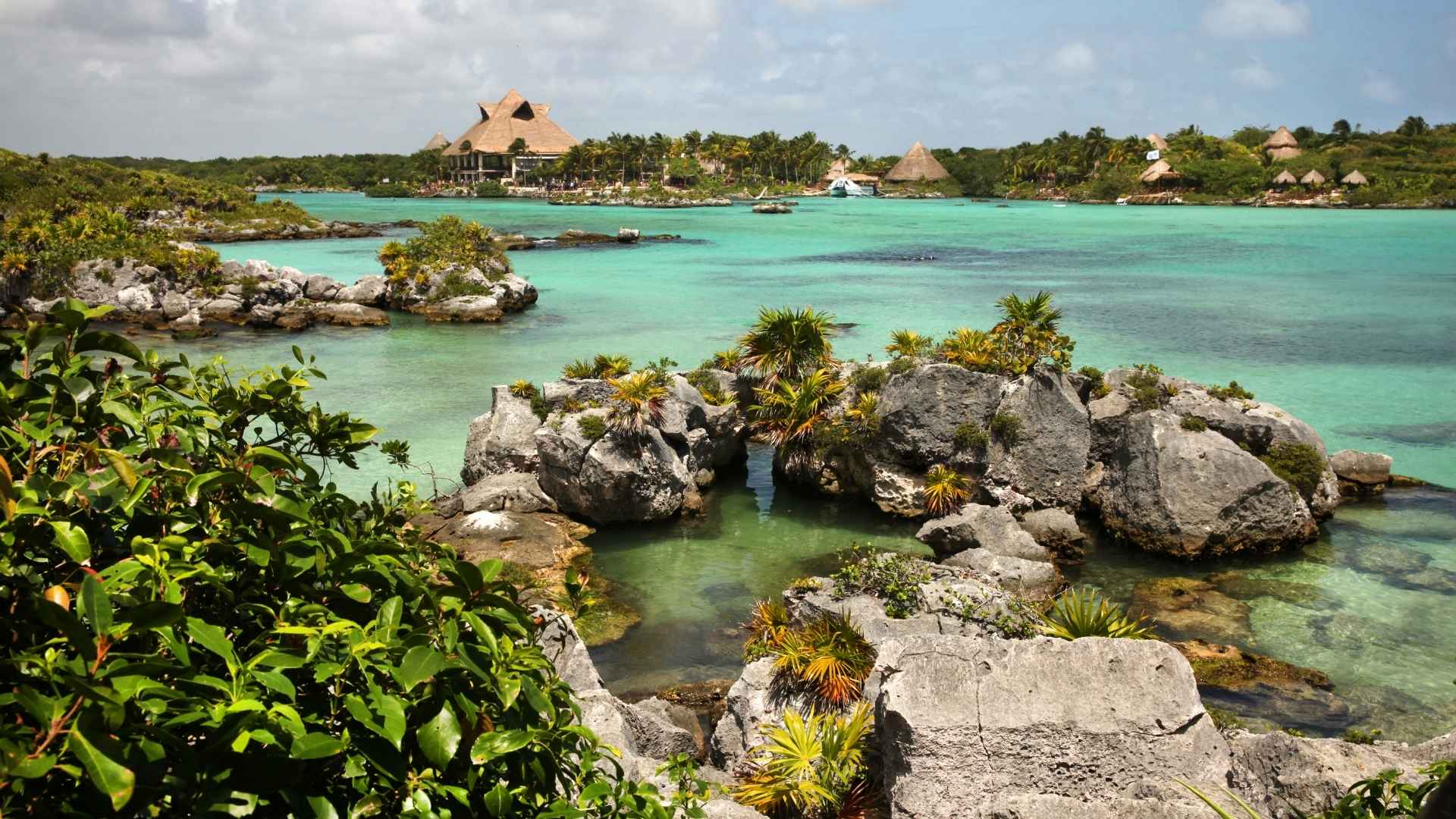
Cancun’s postcard–perfect blues hide a crisis. Beneath the surface, the coral reefs that helped create the region’s white-sand beaches, fueled a tourism economy, and sheltered extraordinary biodiversity are struggling to survive. If you’ve visited the Hotel Zone or taken a snorkeling tour to Punta Nizuc or Puerto Morelos, you’ve seen the edge of a living structure that’s both ancient and astonishing—yet painfully fragile. This article unpacks what’s happening to Cancun’s reefs, why it matters far beyond tourism, and what it will take to turn the tide.
Why Cancun’s Reefs Matter More Than Most People Realize
They build the beaches and buffer the coast. Coral reefs act like living breakwaters, knocking down wave energy before it hits the shoreline. That natural protection reduces erosion, preserves sand, and safeguards hotels, homes, and infrastructure from storm surge. Without reefs, Cancun’s famous beaches would be narrower, more unstable, and far more expensive to maintain.
They power the local economy. Reefs draw divers and snorkelers, support artisanal and commercial fisheries, and underpin countless tours and activities. Healthy coral means healthy fish populations, thriving seagrass meadows, and charismatic wildlife like sea turtles and eagle rays. The ripple effects extend across restaurants, transportation, and retail.
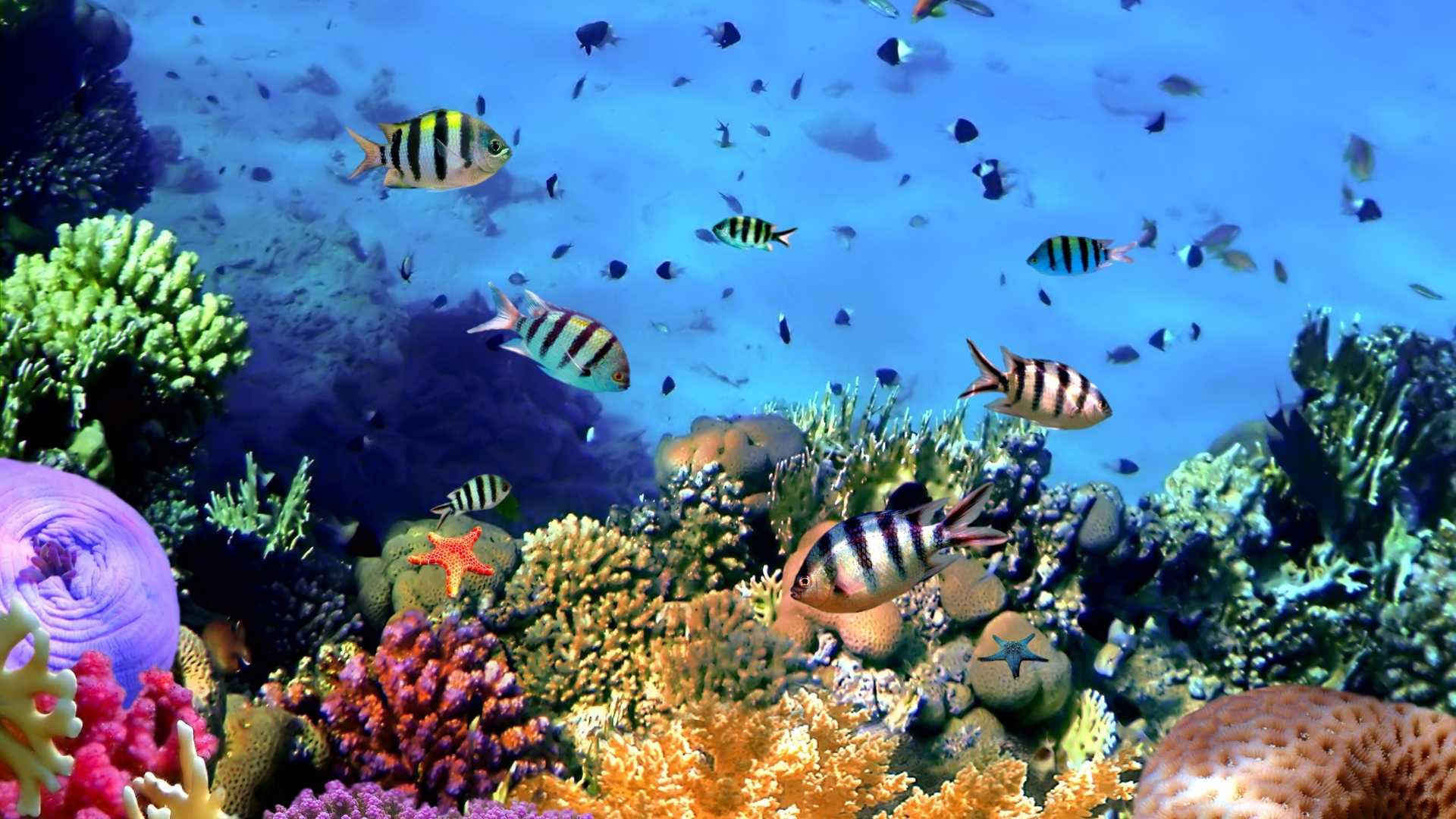
They’re biodiversity hotspots. A reef is a city of species: corals, sponges, urchins, mollusks, crustaceans, and fish forming intricate food webs. In the Mexican Caribbean, these reefs are part of the Mesoamerican Reef system—the second-largest barrier reef in the world. Losing any part of it weakens the whole.
They are living time capsules. Many corals accrete millimeter by millimeter over decades or centuries. When a colony dies, you lose more than color; you lose history, genetic diversity, and the complex architecture that shelters life.
What’s Happening underwater: A Snapshot of Decline
Walk into a dive shop in Cancun and you’ll hear a familiar refrain: “The reef used to be brighter, busier, fuller.” That sense isn’t nostalgia—it’s the sum of multiple stressors converging at once.
- Mass bleaching events. When ocean temperatures rise beyond corals’ tolerance, they expel the symbiotic algae (zooxanthellae) that feed them, turning white. A bleached coral isn’t dead, but it’s starving and susceptible to disease. Repeated or prolonged heat waves can push colonies past their limit.
- Stony coral tissue loss disease (SCTLD). This aggressive disease has raced through portions of the Caribbean in recent years. It causes rapid tissue die-off in many reef-building species, leaving stark, skeletal patches where living coral used to be.
- Algal overgrowth. When herbivorous fish are overfished or when nutrient pollution flows from land, opportunistic algae take over. Algae can smother corals, block light, and prevent new corals from settling.
- Physical damage. unregulated anchoring, careless fin kicks, touching or standing on corals, and boat groundings crush fragile structures. Even well-meaning visitors can do harm with a single misplaced step.
- Storm impacts. Hurricanes can snap branching corals, roll massive boulders, and bury reef flats with sand. Reefs can recover from storms when they’re healthy—but constant stress weakens their resilience.
The result? In many sites around Cancun and nearby Puerto Morelos and Isla Mujeres, live coral cover has decreased, structural complexity has flattened, and fish communities have shifted toward fewer, smaller, or more opportunistic species. Some patches remain vibrant—proof that recovery is possible—but the overall trend is worrisome.
The Hidden Drivers: Heat, Pollution, and Pressure
It’s tempting to attribute reef loss to a single culprit, but the decline is a perfect storm. Here are the big three:
1) Ocean Warming
Corals have a narrow thermal comfort zone. Even a degree or two above average for a few weeks can trigger mass bleaching. The Western Caribbean has seen repeated marine heatwaves in the last decade, and nighttime temperatures that used to dip and “reset” now sometimes stay elevated. That leaves corals with less time to recover between insults.
2) Land-Based Pollution
Cancun’s growth has been rapid and dramatic. More people means more wastewater, stormwater runoff, and nutrient loading unless infrastructure keeps pace. When nitrogen and phosphorus escape into coastal waters, algae blooms flourish—especially on degraded reefs. Sargassum surges landing on beaches can compound the problem when it’s stockpiled or decomposes nearshore, releasing nutrients and reducing oxygen in the water.
3) Tourism and Overuse
Tourism is Cancun’s lifeblood, and it can be sustainable—but only if carefully managed. Chronic pressures add up: thousands of sunscreen-coated bodies in the water, fish feeding that reshapes behavior, anchoring near coral, or crowded sites without rotation. Even minimal contact, repeated thousands of times, wears reefs down.
The Tourism Trap: Loving Reefs to Death
There’s an irony in Cancun: the very reason many visitors come is also what’s at risk from their presence. The good news is that tourism can be part of the solution when it funds conservation, follows best practices, and educates guests. The challenge is aligning incentives.
- Sunscreen chemistry matters. Some common uV filters can stress corals and marine life. Mineral-based formulations using non-nano zinc oxide or titanium dioxide and sun-protective clothing are safer bets. The ideal is to minimize lotions altogether by wearing long-sleeve rash guards and wide-brim hats.
- Boat practices are pivotal. Mooring buoys prevent anchor damage, but they must be maintained and used. Operators need training and strict adherence to no-anchor zones, especially near sensitive sites.
- Guide-led etiquette reduces harm. Clear briefings—no touching, no standing on coral, no collecting, good buoyancy—are simple, powerful tools. Small-group ratios help.
- Site rotation and carrying capacity. Spreading visitor pressure across more sites, or resting heavily used ones, can give corals breathing room. Enforcement is key; signs without oversight change little.
Reef Economics 101: The Cost of Doing Nothing
It’s easy to frame reef protection as a moral imperative, but it’s also a cost-benefit calculation. Reefs reduce storm damage by absorbing wave energy; every meter of living, rugose reef is free coastal infrastructure. Replacing that service with seawalls, artificial breakwaters, or constant beach nourishment is vastly more expensive—and less effective. Healthy reefs also underpin fisheries by providing nursery habitat. When corals decline, fishermen catch fewer high–value species and must travel farther for the same returns. In short: conservation is cheaper than repair.
Glimmers of Hope: What’s Being Done
Cancun is not standing still. Across Quintana Roo, scientists, park managers, nongovernmental groups, and tourism operators are testing new approaches and scaling up proven ones.
Coral Nurseries and Outplanting
“Coral gardening” grows fragments of resilient species on nursery trees or tables, then outplants them to degraded sites. While this doesn’t replace the need to reduce stressors, it can quickly boost live coral cover, increase habitat complexity, and seed reefs with genotypes that tolerate heat or disease better. Techniques are improving: microfragmentation accelerates growth in massive corals; assisted gene flow mixes genetic stock to enhance resilience.
Reef Insurance and Rapid Response
Innovative financial tools now tie insurance payouts to hurricane intensity or wind speed, funding post-storm triage within days. Teams of trained divers reattach broken fragments, stabilize rubble, and recover loose colonies before they die or are swept away. This kind of rapid-response capacity can mean the difference between a reef bouncing back or tipping into long-term decline.
Marine Protected Areas (MPAs) and Better Enforcement
Cancun’s nearby protected zones help regulate fishing, anchoring, and visitation. MPAs work best with adequate budgets for rangers, patrol boats, and monitoring; consistent enforcement; and community buy-in. When fish populations rebound inside MPAs, they spill over to adjacent areas, supporting fisheries and tourism.
Water Quality upgrades
Municipal investments in wastewater treatment, septic upgrades, and stormwater controls are essential. Hotels and resorts that implement best-in-class water recycling, green infrastructure, and sargassum handling practices can cut nutrient input dramatically. Certification programs that verify performance—not just pledges—keep everyone honest.
Community Science and Education
Local dive operators and volunteers often serve as the eyes and ears of the reef, logging bleaching, disease, and anchor damage in real time. When visitors understand why “no touch” rules matter, compliance jumps.
What Travelers Can Do (That Actually Helps)
You don’t have to be a marine biologist to make a difference. If you’re planning a trip to Cancun, your choices ripple outward.
- Choose operators with reef-safe practices. Ask about mooring buoy use, guide-to-guest ratios, and no-touch policies. If an operator feeds fish or allows anchoring on reef, take your business elsewhere.
- Wear sun-protective clothing. A long-sleeve rash guard, leggings, and a hat reduce the need for sunscreen. When you do apply, opt for mineral-based, non-nano formulas and put it on well before entering the water.
- Dial in your buoyancy. Even experienced snorkelers and divers bump coral when they’re overweighted or distracted. Practice, go slowly, and keep fins up.
- Don’t collect or harass wildlife. That starfish is not a prop. Resist the urge to touch, chase, or corral animals for photos.
- Support restoration and local conservation. Many programs welcome donations or volunteer days. A small contribution from thousands of visitors adds up.
- Reduce your onshore footprint. Choose accommodations with strong water and waste practices, skip single-use plastics, and be mindful of what goes down the drain.
What Locals, Businesses, and Policymakers Can Do (At Scale)
Tourist behavior matters, but structural change matters more.
- upgrade wastewater and stormwater infrastructure. Expand capacity, fix leaks, and capture nutrients before they reach the sea. Incentivize hotels and residences to connect to treatment plants and maintain systems.
- Manage sargassum with the reef in mind. Offshore barriers and careful collection can prevent shore accumulations from decaying into nutrient plumes. Avoid pushing piles into the surf zone.
- Enforce anchoring rules and expand mooring networks. Make the good choice the easy choice for boat captains.
- Set and enforce carrying capacities for popular sites. Cap daily visitors where needed, rotate access, and back it up with real-time monitoring.
- Back MPAs with budgets. Protection without patrols and science is wishful thinking. Stable funding for rangers and monitoring is non-negotiable.
- Scale coral restoration strategically. Focus on corridors and sites that maximize ecological connectivity, storm protection, and tourism value. use diverse, stress-tolerant genotypes and monitor outcomes rigorously.
- Integrate reefs into urban planning. Treat reefs as critical infrastructure worthy of investment—because they are.
A Field Guide to Recognizing Reef Health (On Your Next Snorkel)
Not sure what you’re seeing? use these cues:
- Color and texture. Healthy corals aren’t neon like cartoons, but they have natural browns, greens, yellows, and purples. uniform, stark white indicates bleaching. Dead coral looks dull and often grows a fuzzy layer of algae.
- Fish behavior. A mix of sizes and species—especially grazing parrotfish and tangs—is a good sign. Skittish, sparse, or unusually bold fish (conditioned by feeding) can indicate imbalance.
- Complexity. A “bumpy,” three-dimensional reef with nooks and crannies supports more life than a flattened, rubble-strewn bottom.
- Disease signs. Sharp-edged patches of bare white skeleton with living tissue adjacent can indicate active disease. Report observations to your guide.
Myth Busting: Common Misconceptions About Cancun’s Reefs
“Bleached coral is just pale but fine.” Bleaching is a stress response; recovery is possible if temperatures drop and other stressors are low, but bleached corals are vulnerable and may die if conditions stay hot.
“Restoration means we can keep business as usual.” Planting corals is not a license to ignore pollution or climate change. Restoration accelerates recovery but cannot outrun chronic stress.
“If I don’t touch the coral, I’m not part of the problem.” Fin kicks stir sediment that smothers polyps; sunscreen films can harm tiny organisms; choosing operators who anchor near coral multiplies your footprint even if you never touch anything.
“The reef is gone.” Not true. There are still beautiful patches and signs of resilience. That’s precisely why action now matters: there’s still so much left to save.
The Bigger Picture: Cancun’s Reefs in a Warming World
Cancun’s reefs do not exist in isolation. The Mesoamerican Reef stretches hundreds of kilometers, a living corridor linking ecosystems and communities. What happens off the Hotel Zone echoes downcurrent and upstream. Global challenges—rising temperatures, ocean acidification—set the stage, but local choices decide whether corals have a fighting chance.
In practice, this means a dual strategy:
- Global: Rapidly reduce greenhouse gas emissions to limit the frequency and intensity of marine heatwaves that trigger bleaching.
- Local: Slash pollution, curb overuse, enforce protections, and restore damaged sites so reefs can survive heat spikes and rebound afterward.
Neither is optional. The global work buys time; the local work uses it well.
If You Remember Only Three Things
- Reefs are infrastructure. They protect beaches, people, and property. Investing in reefs is self-protection for Cancun’s future.
- Every stressor counts. Heat, pollution, disease, and physical damage interact. Cut any one and recovery becomes more likely; cut several and it compounds.
- You are not powerless. From trip planning to public policy, choices add up. Cancun’s reefs can still recover meaningful health within our lifetimes—if we act.
Closing Thoughts: From Alarm to Action
It’s right to feel alarmed looking at the state of Cancun’s coral reefs. But alarm isn’t the endpoint—it’s the spark. These reefs have weathered storms for millennia. Their downfall is not inevitable; it’s a decision we make collectively, day by day, in how we manage land, run boats, welcome tourists, and power our lives. The most hopeful thing about coral is that it wants to grow. Give it clean water, a break from heat, and a little help when it’s down, and it will begin rebuilding, polyp by polyp, into the living ramparts that made Cancun possible in the first place.
The question is whether we will let it.