The Shocking Way Seaweed Is Changing Cancun’s Tourism Industry
Cancun — the word alone sparks images of turquoise waves, white-sand beaches, and days that melt into sunset cocktails. For decades, this slice of the Caribbean has been the definition of paradise.
But in recent years, something unexpected has been washing up along the shoreline: seaweed.
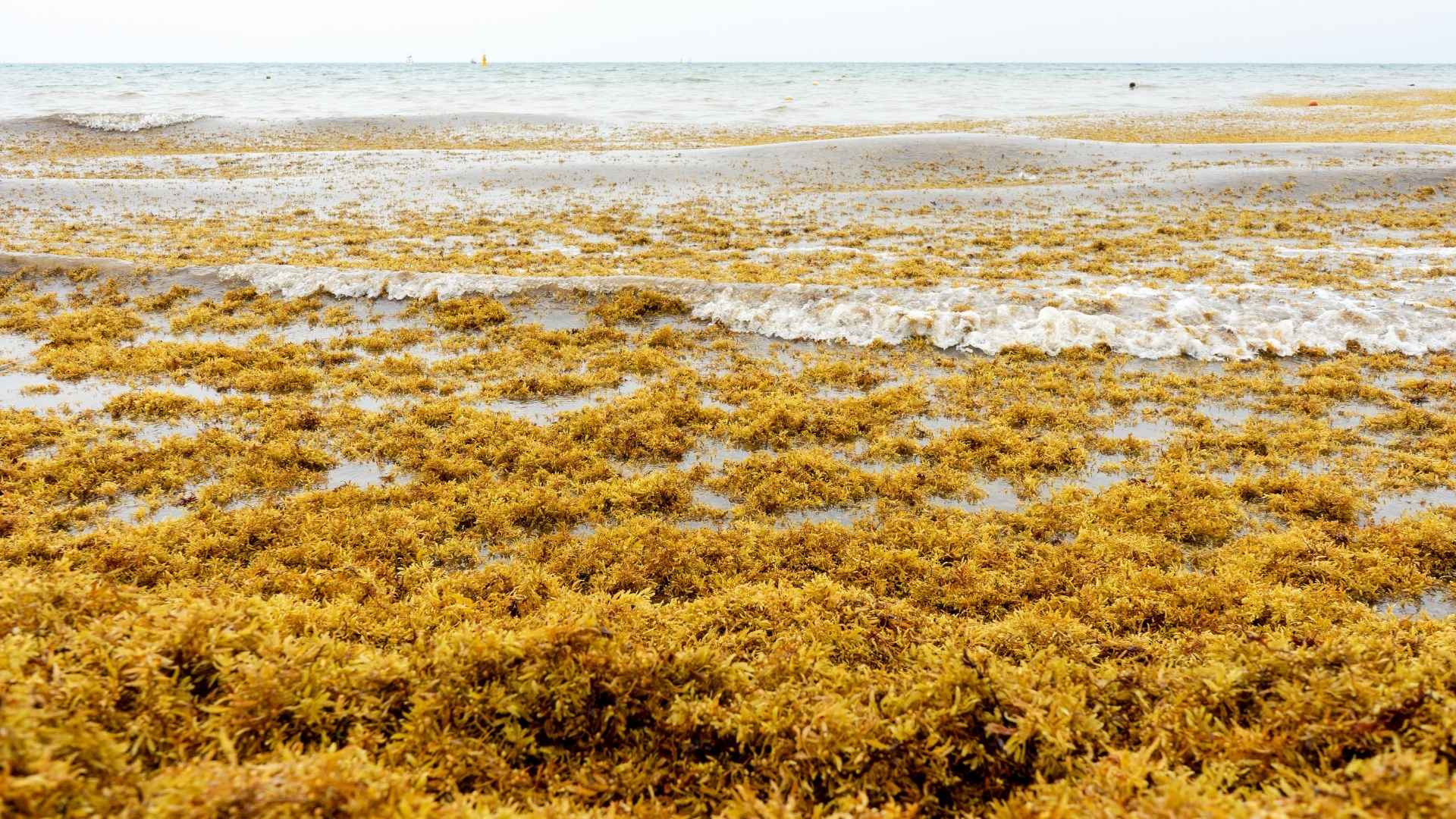
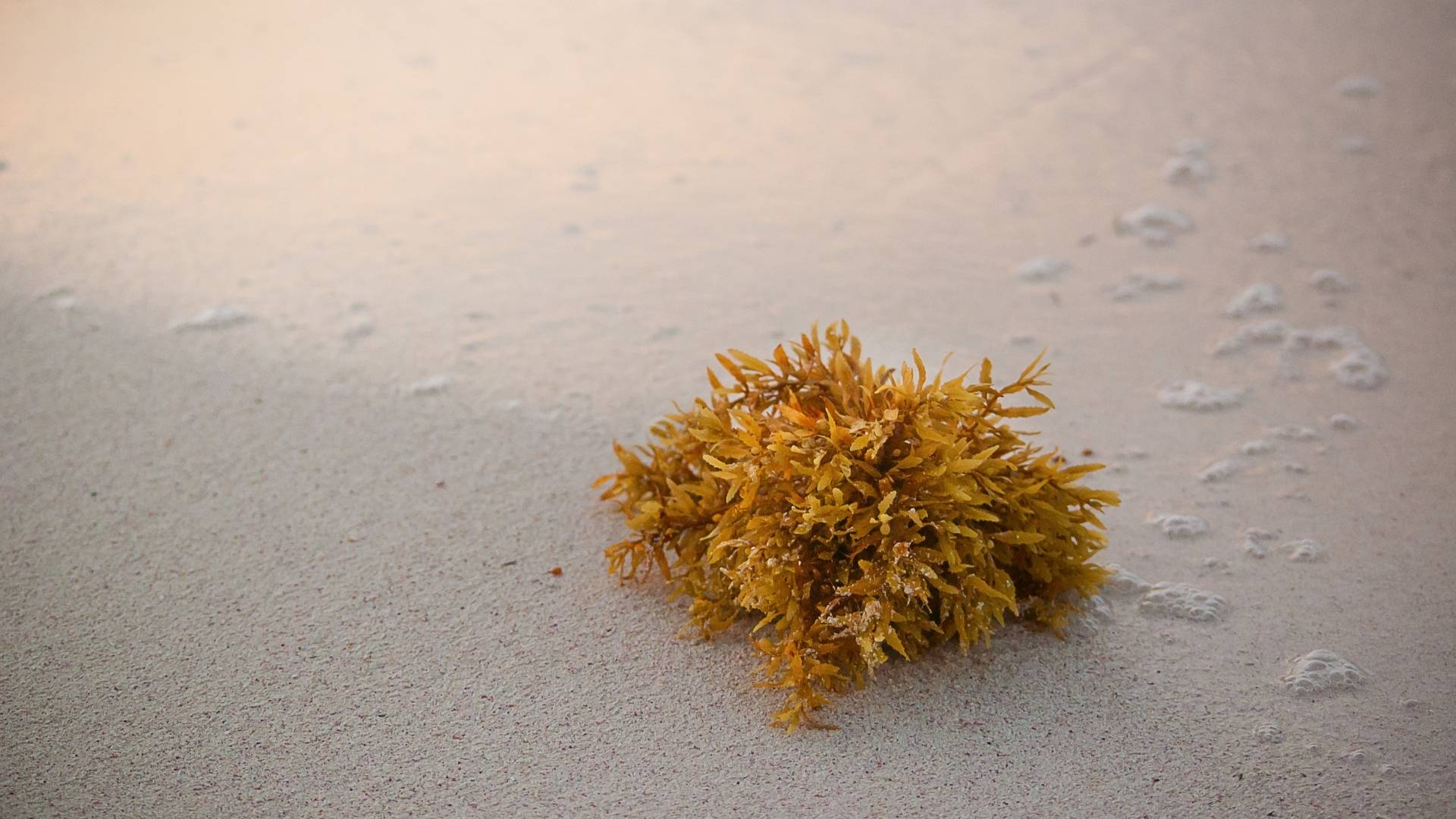
This isn’t the gentle green kind that floats under the surface. It’s a thick, brown, sulfur-scented variety known as sargassum, and it’s been quietly reshaping Cancun’s entire tourism industry — from the beaches to the businesses that depend on them.
When Paradise Turns Brown
For years, Cancun’s beaches were a near guarantee of postcard perfection. But around 2011, locals began noticing an unfamiliar sight — mountains of brown seaweed piling up on the sand.
By the mid-2010s, it was impossible to ignore. In peak season, the turquoise waters that once drew millions could turn cloudy and brown, while the air filled with the pungent scent of rotting vegetation.
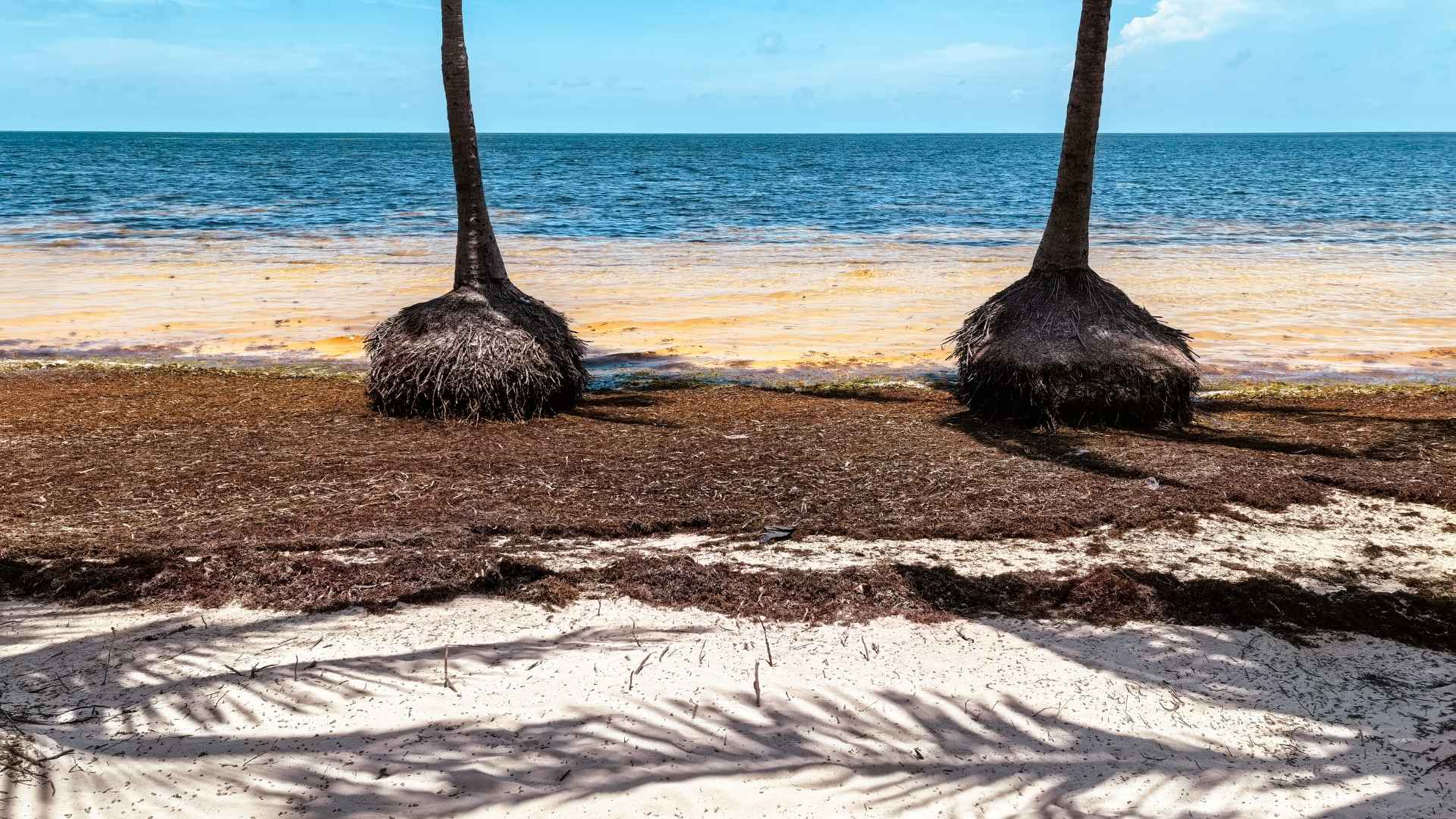
The result? A collision between paradise and reality. Tourists arrived expecting pristine beaches and instead found stretches of coastline blanketed in seaweed — sometimes knee-high, sometimes stretching for miles.
And while resort photos online may still sparkle, the truth is more complex: Cancun is learning to adapt to a natural problem that refuses to go away.
Why Is This Happening?
Scientists say the sargassum problem is a perfect storm of climate change, ocean pollution, and shifting currents.
Rising ocean temperatures create ideal conditions for algae growth. Meanwhile, nutrient-rich runoff from agriculture and cities — especially along the Amazon and Gulf of Mexico — acts like fertilizer, supercharging the blooms.
The sargassum originates in the Sargasso Sea, a massive area of the Atlantic Ocean filled with naturally floating seaweed. But stronger winds and currents are now pushing these mats westward, straight toward the Mexican Caribbean.
Cancun, Playa del Carmen, and Tulum often take the brunt of the invasion, while nearby islands like Isla Mujeres sometimes escape with clearer waters.
The Ripple Effect on Tourism
For a city that thrives on sunseekers and beach lovers, sargassum has been a costly challenge — one that touches nearly every corner of Cancun’s tourism economy.
1. Beach Closures and Disappointed Guests
Resorts occasionally have to close off beach sections when seaweed levels spike. For visitors who dreamed of swimming in turquoise waters, this can be a major letdown. Some hotels even offer discounts or refunds when conditions are especially bad.
2. Skyrocketing Cleanup Costs
Each morning, before most tourists wake, teams of workers rake, shovel, and haul away piles of seaweed. Some hotels spend thousands of dollars per day keeping their beachfronts clear. Even then, the seaweed can return within hours.
3. Shifting Travel Trends
Many travelers now plan their vacations around sargassum season, typically April through September, or seek out less-affected spots like Holbox or Bacalar. The trend is reshaping how — and when — tourists visit Cancun.
4. Environmental Tension
Ironically, removing too much seaweed too quickly can harm fragile coastal ecosystems. Sea turtles use those same beaches for nesting, and the sargassum can actually protect new sand dunes from erosion. It’s a delicate balancing act between keeping the beaches beautiful and protecting nature.
How Cancun Is Fighting Back
Cancun isn’t sitting idle. The city and local businesses have launched a variety of efforts to combat the seaweed problem and preserve its reputation as a tropical paradise.
Barriers at Sea
Floating barriers — long, flexible booms anchored offshore — help divert sargassum before it reaches the sand. In some areas, they’ve reduced beach buildup by as much as 80 percent.
Turning Waste Into Opportunity
Entrepreneurs across Quintana Roo are finding creative ways to repurpose sargassum. Some turn it into compost, paper products, or even biodegradable building blocks. A few startups are experimenting with turning it into biofuel — giving the problem a sustainable twist.
Promoting Alternative Tourism
Travel marketers are shifting focus beyond beaches. Cenote swimming, jungle adventures, Mayan ruins, and local food experiences are all gaining attention as alternatives for visitors who want more than just sun and sand.
A New Type of Traveler Is Emerging
Interestingly, the sargassum situation is changing not just where people go — but why they go.
Many tourists today are more eco-aware and curious. They want to understand the balance between nature and tourism. Instead of being disappointed, some are fascinated by the story unfolding along Cancun’s shores.
Eco-tours now include educational segments about coral bleaching, ocean currents, and the role sargassum plays in marine life. Some resorts even highlight their sustainability programs — from seaweed recycling to renewable energy — as a selling point.
Winners and Losers in the New Normal
The seaweed challenge hasn’t impacted every business equally. It’s created winners, losers, and innovators across Cancun’s tourism sector.
- Luxury Resorts Adapt Fast
High-end hotels with private beaches and large cleanup budgets often maintain near-perfect conditions. Guests may barely notice the problem — though the costs are quietly passed into higher room rates. - Smaller Businesses Get Creative
Smaller eco-lodges, boutique hotels, and independent tour guides are promoting authentic alternatives: snorkeling in cenotes, visiting Mayan villages, or exploring untouched lagoons away from the seaweed. - Local Startups See Gold in Brown
A new generation of green entrepreneurs is turning sargassum into opportunity — creating local jobs and sustainable materials that reduce waste.
When to Visit Cancun (and What to Expect)
Timing is everything. If you’re hoping for those postcard-blue beaches, the best time to visit Cancun is from November through February, when sargassum levels are typically lowest.
However, seaweed can arrive unexpectedly — sometimes clearing overnight, sometimes reappearing within hours. Locals recommend checking daily beach conditions through social media or community webcams before booking.
Even during heavy months, some beaches — especially on Isla Mujeres and Cozumel — remain relatively unaffected thanks to their position against the currents.
The Human Side of the Story
Behind every pile of seaweed, there’s a story of human resilience.
Fishermen find their boats trapped by floating mats. Beach vendors see slower foot traffic. And resort staff work double shifts to clear the sand before sunrise.
Yet, instead of giving up, the people of Cancun have turned the problem into a shared mission — protecting their coastline, supporting local innovation, and redefining what it means to live and work in paradise.
The Future of Cancun’s Coast
Most experts agree that sargassum isn’t going away anytime soon. But Cancun’s response — a mix of innovation, community effort, and scientific research — offers hope.
From seaweed recycling plants to marine monitoring systems, the region is investing in long-term solutions. If the trend continues, Cancun could become a global model for sustainable tourism — proving that even paradise can evolve.
Final Thoughts: A New Kind of Paradise
The shocking part of this story isn’t just that seaweed has changed Cancun’s beaches — it’s that it’s changing Cancun itself.
What was once a destination built entirely on perfection is now embracing something deeper: resilience, creativity, and authenticity.
So, if you arrive to find the water a little less blue or the air tinged with a salty scent, remember — you’re not seeing a paradise lost. You’re seeing one adapting, surviving, and redefining what beauty really means.