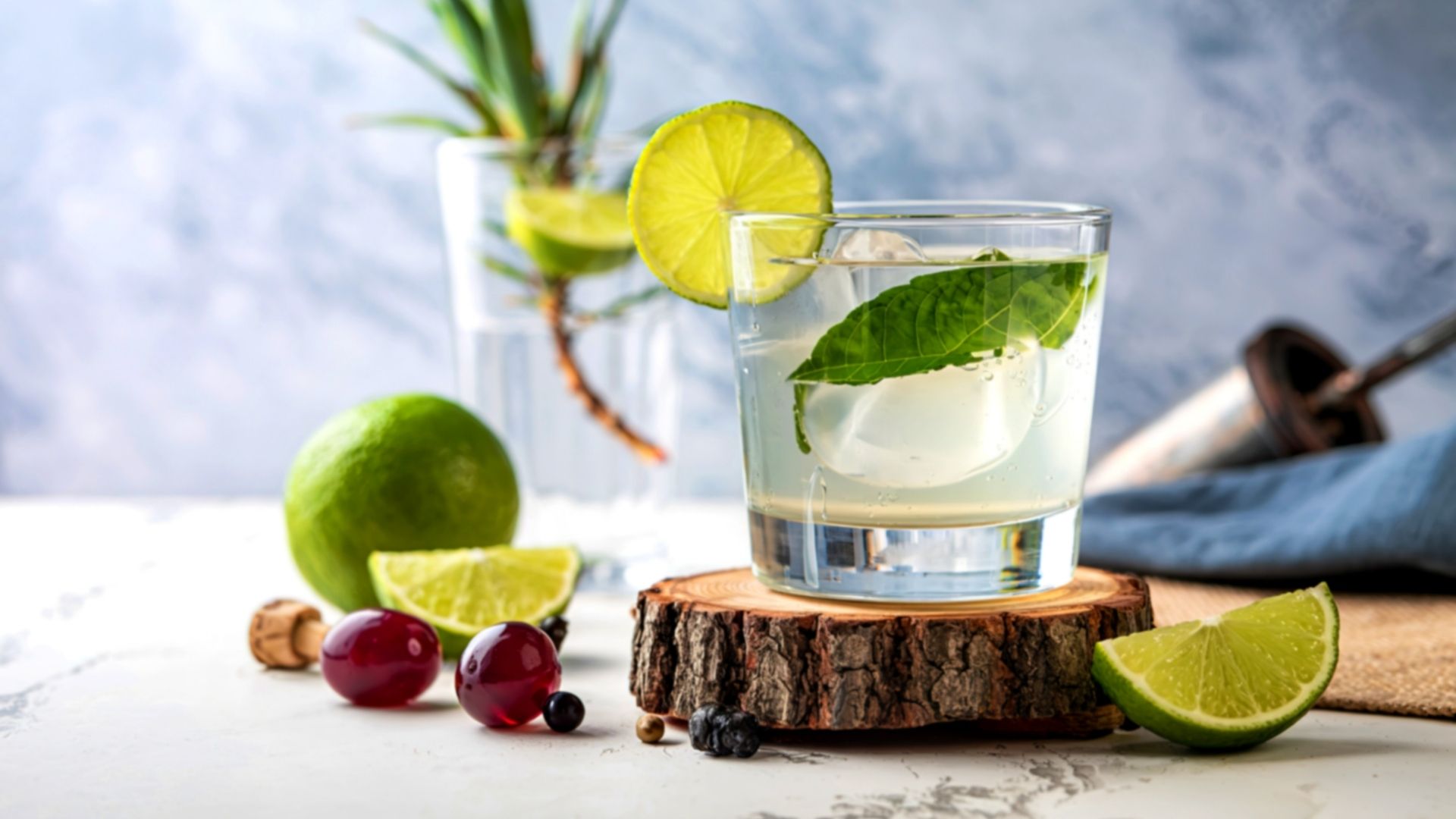
From Mezcal to Mole: How Mexico’s Ancient Flavors Are Making a Comeback
Mexico’s cuisine has always been more than food — it’s a language of history, culture, and identity. Every dish tells a story, from the hands that grind the corn to the smoke that curls above an earthen stove. Yet for decades, as fast food chains spread and global trends reshaped cities, many of Mexico’s oldest culinary traditions risked fading away.
But something remarkable is happening. Across Mexico — from the Yucatán Peninsula to Oaxaca to Cancun — ancient flavors are returning. Mezcal, mole, native corn, cacao, and ancestral cooking techniques are finding new life in both home kitchens and fine dining restaurants.
What was once old is now cutting-edge. What was once forgotten is now celebrated. This is the comeback of Mexico’s ancient cuisine — and it’s changing how the world tastes Mexican food.
1. The Spirit of the Land: The Rise of Mezcal
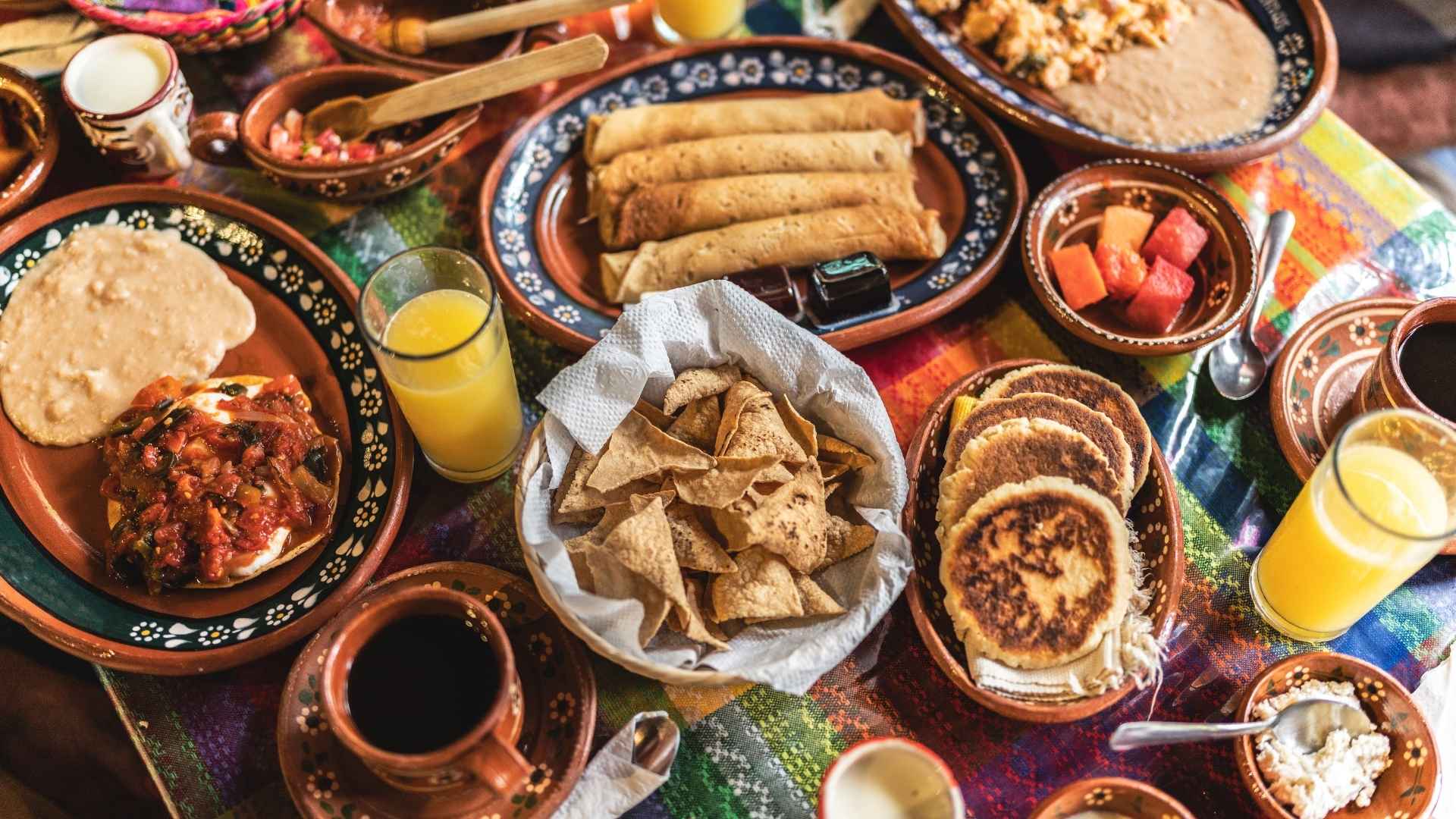
If tequila is the face of Mexico’s modern spirit, mezcal is its soul. Distilled from agave in small rural distilleries called palenques, mezcal was once considered a peasant drink — smoky, rustic, and unrefined. Today, it’s one of the most sought-after spirits in the world.
What makes mezcal unique isn’t just its flavor — it’s its philosophy. Every bottle tells the story of the land it came from. The agave plants take years, sometimes decades, to mature. They’re roasted in underground pits lined with volcanic stones, giving mezcal its signature smokiness.
Artisan distillers are reviving ancient production methods that honor sustainability and heritage. Instead of mass production, they work slowly, respecting the cycle of the agave. Many of these mezcaleros are from indigenous communities, passing knowledge from generation to generation.
In Cancun and the Riviera Maya, mezcal tasting rooms and craft cocktail bars are introducing travelers to this ancient art form. Sipping mezcal isn’t just about drinking — it’s about connecting with centuries of Mexican craftsmanship and earth-based wisdom.
2. Mole: The Sauce That Defines Mexico
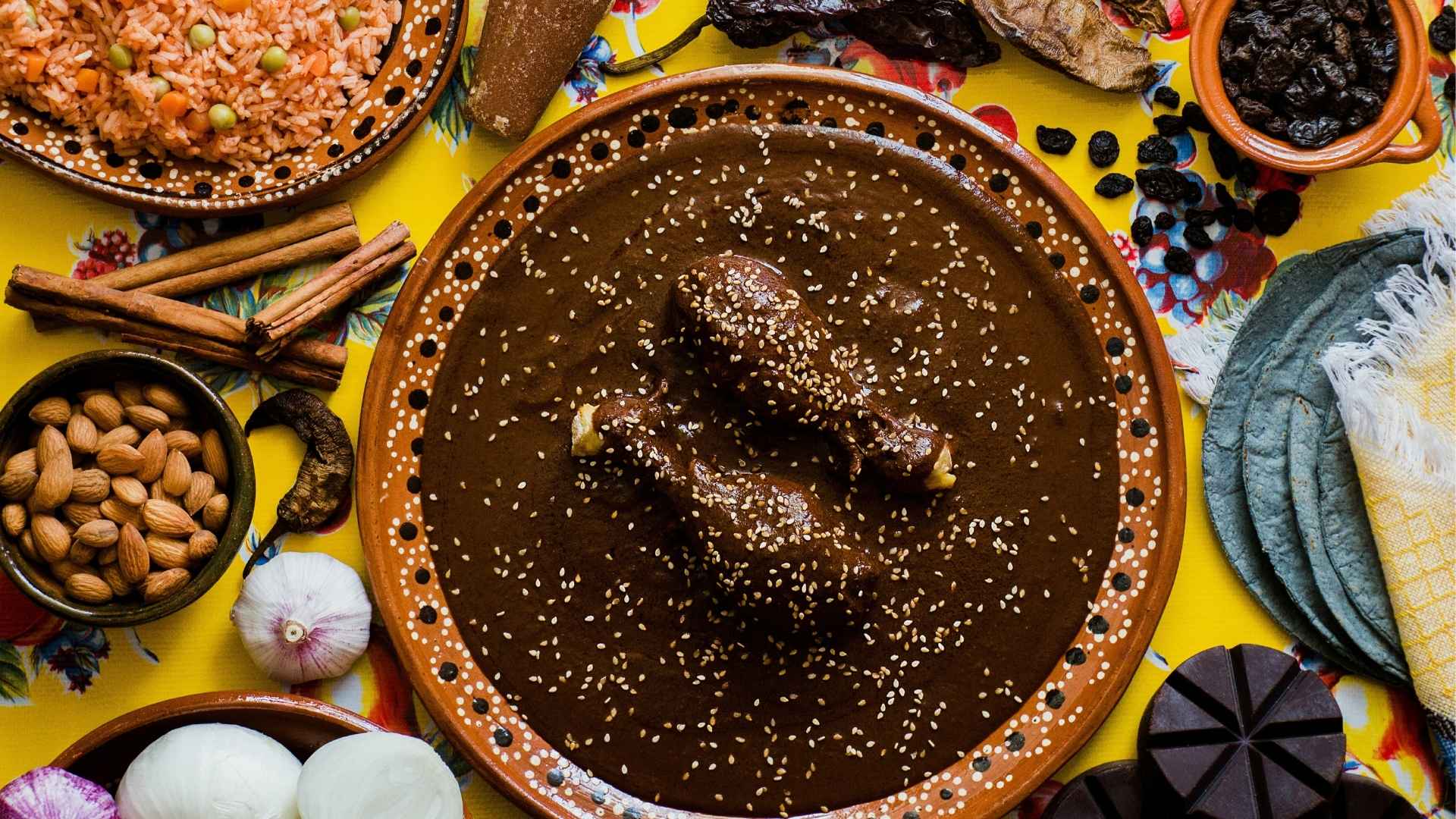
There’s no dish more deeply symbolic of Mexico’s culinary heritage than mole — the thick, complex sauce made with chili peppers, nuts, seeds, spices, and sometimes chocolate.
Each region has its own version: the dark, rich mole negro of Oaxaca, the bright red mole poblano of Puebla, the green pipianes of the Yucatán. Some recipes include over thirty ingredients and take days to prepare.
For years, mole was dismissed as too heavy or old-fashioned. But now, chefs across Mexico are reclaiming it as a national treasure — not as nostalgia, but as innovation. Modern restaurants are pairing traditional moles with seafood, vegetarian dishes, and even desserts.
The revival of mole represents something bigger: a movement toward respecting culinary roots while embracing creativity. It’s a dish that reminds Mexicans — and the world — that progress doesn’t mean forgetting the past.
3. The Return of Native Corn
Corn, or maíz, is the beating heart of Mexican culture. The ancient Maya believed humans were created from corn. It’s in every tortilla, tamal, and atole — yet industrial agriculture once threatened to erase its diversity.
Today, Mexico is rediscovering its corn. Farmers, chefs, and activists are working to preserve native varieties like blue, red, and black corn, each with its own texture and flavor. These heirloom strains are more than crops — they’re a symbol of identity.
Nixtamalization, the ancient process of soaking corn in limewater, is making a comeback too. The result is tortillas with real depth — soft, fragrant, and full of life.
From bustling taquerías in Cancun to gourmet kitchens in Mexico City, authentic corn is reclaiming its rightful place at the center of the Mexican table.
4. Chocolate Before It Was Sweet
Long before it became a global indulgence, chocolate was sacred. The Maya and Aztec peoples considered cacao a gift from the gods — a bitter drink used in rituals and reserved for royalty.
Now, Mexican chocolate makers are reviving the ancient roots of cacao, focusing on small-scale production, ethical sourcing, and indigenous techniques.
Instead of the sugary bars familiar to modern taste buds, traditional cacao is roasted on clay pans, ground by hand on stone metates, and blended with spices like cinnamon, chili, and vanilla.
The result is rich, earthy, and unlike anything mass-produced — a reminder that chocolate began as a connection to spirit and soil, not just dessert.
5. Ancestral Cooking Methods: From Fire to Clay
Step into a traditional Mexican kitchen and you’ll find tools that haven’t changed for centuries: the comal (griddle), the molcajete (stone mortar), and the metate (grinding stone).
In many rural areas — and increasingly in urban ones — these ancestral tools are being used once again. Chefs are ditching modern gadgets in favor of clay pots, open fires, and stone grinders.
The reason? Flavor. Slow cooking over fire allows ingredients to blend and deepen. Clay pots breathe, infusing stews and beans with a distinct, earthy warmth.
These old techniques also honor the relationship between food, time, and patience — something fast kitchens often forget. It’s not just cooking; it’s a spiritual practice, a way of showing respect to the ingredients and those who came before.
6. The Role of Women in Preserving Tradition
Behind nearly every great traditional recipe in Mexico, there’s a woman — a grandmother, mother, or community cook who keeps the flame alive.
For generations, women have been the guardians of Mexico’s culinary memory, passing down recipes orally, often without written instructions. In recent years, these women are finally being recognized as the true architects of Mexico’s food culture.
Culinary festivals now highlight cocineras tradicionales — traditional cooks who share ancestral recipes with pride. In markets across the Yucatán and Quintana Roo, you can see them preparing panuchos, tamales colados, or relleno negro, teaching younger generations to keep the flavors alive.
Their work isn’t just about food; it’s about identity, empowerment, and respect for cultural roots.
7. The New Generation of Chefs and Storytellers
Mexico’s young chefs are redefining what “authentic” means. Instead of chasing global trends, they’re looking inward — to their villages, their family kitchens, and the land itself.
Restaurants from Cancun to Oaxaca are embracing “nuevo ancestral” cuisine: dishes that blend modern presentation with ancient ingredients and stories. A tasting menu might feature chaya leaves, wild honey, and fermented corn, all served with the reverence of fine art.
Chefs see themselves not just as cooks, but as storytellers — using flavor to connect diners with centuries of history.
This movement is gaining international recognition, but its heart remains deeply local: food that honors where it comes from and who made it possible.
8. Markets: The Beating Heart of Mexican Food Culture
To understand Mexico’s culinary revival, you have to visit its markets.
From Cancun’s Mercado 23 to Oaxaca’s Mercado Benito Juárez, these spaces are living museums of taste and tradition. Here, you’ll find everything — hand-ground chocolate, fresh herbs, achiote paste, and the kind of chilies that spark both fear and joy.
Markets aren’t just about commerce; they’re about connection. Vendors know their customers by name, share cooking tips, and gossip over steaming cups of atole.
For digital-age travelers and food enthusiasts, exploring these markets is a sensory education — a way to experience Mexico as it truly is: vibrant, complex, and alive with history.
9. The Return of Respect for the Land
More and more, Mexican chefs and farmers are realizing that reviving ancient flavors also means caring for the land that produces them.
The principles of milpa — an indigenous farming system that rotates corn, beans, and squash — are being rediscovered for their sustainability. Small producers are rejecting chemical fertilizers and returning to organic, soil-friendly methods.
By reconnecting with traditional agriculture, Mexico is reclaiming not only flavor but also environmental balance. The new food movement here isn’t just about taste — it’s about respecting ecosystems, communities, and roots.
10. The Future of Mexican Cuisine
So what’s next for Mexico’s culinary revival?
Experts believe the future lies in fusion through heritage — combining ancestral ingredients with modern creativity while staying true to local values. It’s not about reinventing Mexican cuisine; it’s about revealing the depth that was always there.
We’re seeing this in everything from mezcal-inspired cocktails infused with native herbs to dessert menus featuring pre-Hispanic cacao and amaranth.
And in Cancun, a city often associated with modern resorts, this revival is taking hold in surprising ways. Local chefs are opening restaurants that focus on regional authenticity, bringing Yucatán and Mayan dishes into the spotlight. Travelers who once came for beaches are now staying for the food — and leaving with a deeper connection to Mexico’s soul.
11. Why Ancient Flavors Matter Today
In a world where food can feel industrial and impersonal, Mexico’s ancient cuisine offers something real — a reminder of where we come from.
Each sip of mezcal, each spoonful of mole, carries centuries of wisdom, ritual, and care. It’s food that nourishes the body and honors the earth.
This comeback isn’t just a culinary trend — it’s a cultural awakening. Mexicans are reclaiming pride in their heritage, not as nostalgia, but as a living, evolving art form.
For travelers, discovering these flavors isn’t just a taste experience — it’s a journey through time, tradition, and the heart of Mexico itself.
Final Thoughts
From mezcal to mole, from fire-cooked tortillas to cacao ceremonies, Mexico’s ancient flavors are no longer relics of the past — they’re the foundation of the future.
As chefs, farmers, and communities bring these traditions back to life, they’re doing more than feeding people. They’re reviving a national identity, one dish at a time.
In every corner of the country — from bustling Cancun to remote mountain villages — the message is clear:
The future of Mexican cuisine begins where it all started — in the roots, the land, and the timeless dance between flavor and history.