How Digital Nomads Are Quietly Transforming Cancun’s Local Scene
For decades, Cancun has been known as a playground for tourists — a place of turquoise waters, five-star resorts, and endless nightlife. But quietly, beneath the surface of the city’s glittering hotel zone, a new kind of traveler has begun to redefine what life in Cancun looks like.
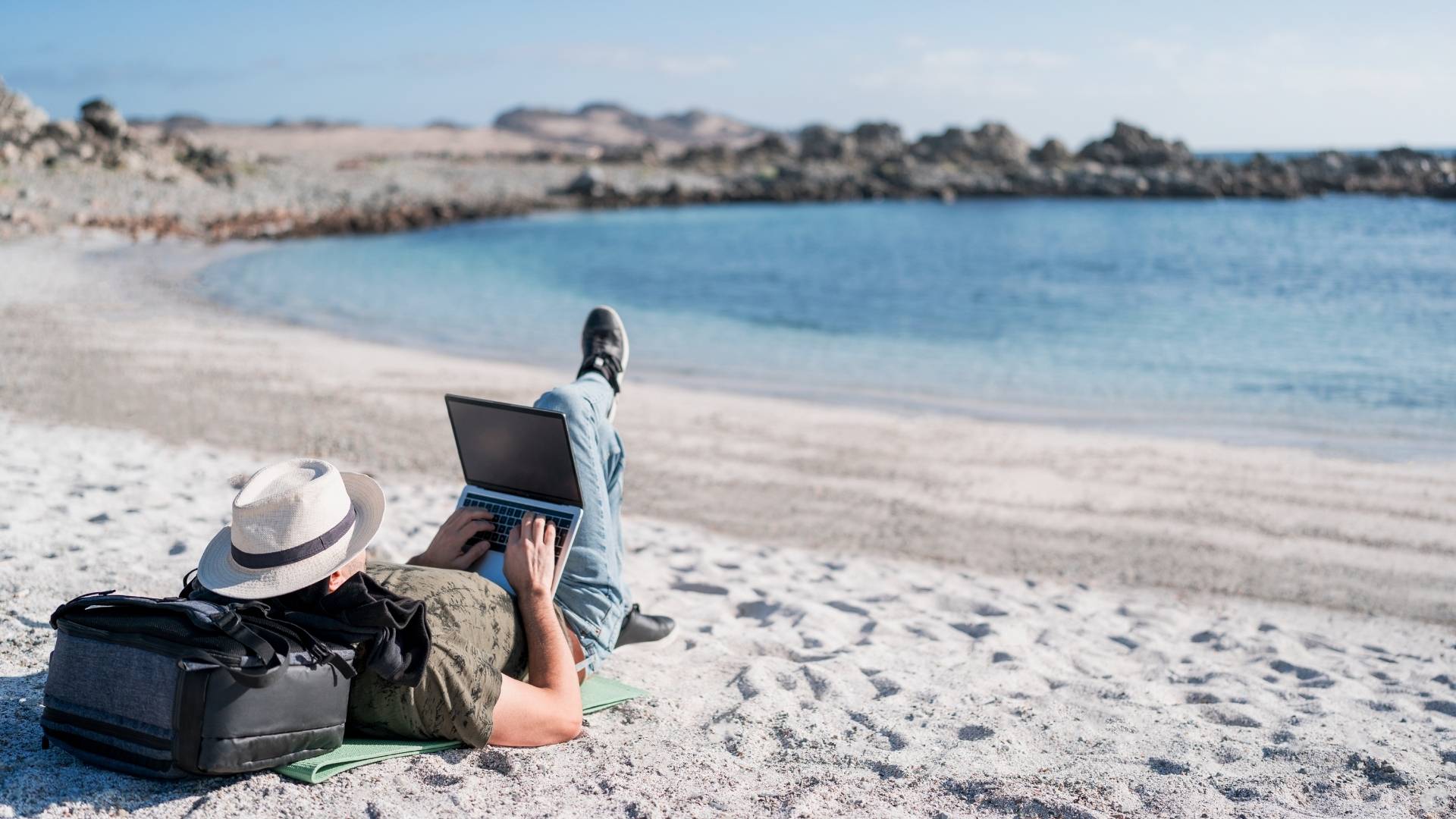
They aren’t here for a week of vacation. They’re here for months — sometimes years. They’re working remotely from beachside cafés, joining local yoga classes, volunteering in community projects, and infusing new energy into the city’s economy and culture.
They’re digital nomads, and they’re changing Cancun in ways few saw coming.
1. The Rise of the Laptop Lifestyle in Paradise
The global remote work boom transformed how — and where — people live. When offices shut down, professionals realized that “home” could be anywhere with Wi-Fi and a good view.
For many, Cancun was an obvious choice. It offered the perfect mix of productivity and paradise — reliable internet, warm weather year-round, English-friendly services, and flight connections to nearly every major city in the Americas.
Soon, cafés that once served vacationers started seeing laptops and video calls. Co-working spaces began popping up from downtown Cancun to Playa del Carmen. What used to be a short-term holiday destination evolved into a thriving hub for global remote workers seeking both adventure and affordability.
2. Why Cancun Attracts Digital Nomads
Digital nomads could live anywhere — so why Cancun?
It comes down to a few irresistible factors:
- Connectivity: Cancun’s airport is one of Latin America’s busiest, with direct flights to dozens of international cities. That makes it easy for digital workers to travel when needed — or welcome friends for weekend visits.
- Lifestyle: Few places blend convenience and beauty like Cancun. You can work from a rooftop terrace with ocean views, finish your day, and be snorkeling in a cenote within an hour.
- Affordability: Compared to U.S. or European cities, Cancun offers a high quality of life at a fraction of the cost. Renting an apartment in downtown Cancun or Puerto Morelos costs a fraction of what you’d pay in Miami or Barcelona.
- Community: Nomad groups and online meetups have flourished. Every week, there are networking mixers, language exchanges, and beach cleanups that bring locals and remote workers together.
Cancun has become more than a destination — it’s a lifestyle base for those who want to balance work, culture, and the ocean breeze.
3. The New Co-Working Culture
One of the clearest signs of Cancun’s transformation is the boom in co-working spaces. What started as a few small cafés with good Wi-Fi has grown into a network of purpose-built hubs catering to entrepreneurs, freelancers, and remote teams.
In these bright, air-conditioned spaces, you’ll find a mix of nationalities — programmers from Canada, designers from Argentina, marketers from Spain, and writers from the U.S. — all sharing tables, ideas, and tacos between Zoom meetings.
Some co-working spaces are modern and minimalist; others have hammocks, smoothie bars, or jungle views. A few even offer beachfront seating — where the line between work and vacation disappears entirely.
The vibe is collaborative, not competitive. It’s not unusual to overhear a conversation about app design next to a discussion about local NGOs or art projects. Cancun’s nomad scene isn’t just about remote work — it’s about creative energy and connection.
4. The Downtown Revival
For years, tourists stayed mostly in the Hotel Zone, leaving downtown Cancun to the locals. But as long-term visitors move in, downtown is coming alive again.
Digital nomads are renting apartments, supporting local businesses, and helping drive a revival of authentic urban life. Small coffee shops have become remote work hubs. Street food stands see new regulars. Local gyms, Spanish schools, and yoga studios are welcoming a more international crowd.
Neighborhoods like El Centro and Supermanzana 32 now have an exciting blend of cultures — a mix of Mexican roots and global curiosity. The result is a city that feels more connected and cosmopolitan than ever before.
It’s not gentrification on the massive scale seen in other cities — at least not yet. Instead, it’s a slow, organic blending of local and global lifestyles that’s reshaping Cancun from the inside out.
5. The Cultural Exchange: Locals and Nomads
While digital nomads bring money and ideas, the exchange goes both ways.
Many remote workers come to Cancun with an open mind — curious about Mayan culture, Mexican traditions, and community values. They take salsa classes, learn to cook cochinita pibil, and join beach cleanups with local volunteers.
Locals, in turn, have begun to embrace the opportunity to share their culture and stories directly. Spanish tutors, artisans, and local guides often find new audiences among nomads who prefer meaningful, real-world connections over resort experiences.
This cultural blending is creating a new social fabric — one where a marketing manager from Berlin might be helping a Cancun artist launch an online store, or a coder from Toronto might be teaching English to neighborhood kids.
It’s a quiet evolution, powered not by tourism, but by community and collaboration.
6. Challenges Beneath the Surface
Of course, this new wave of long-term residents isn’t without challenges.
Some locals worry about rising rents, especially in desirable neighborhoods. As more digital nomads move in, housing demand increases, pushing prices higher for both locals and expatriates.
There’s also the issue of integration — not every nomad learns Spanish, and not every local welcomes the changes. The balance between economic growth and cultural preservation is delicate.
Still, many see this as an opportunity rather than a threat. Local leaders and entrepreneurs are exploring ways to build sustainable connections — from co-living spaces that hire locally to cultural exchange programs that bridge the language gap.
If managed thoughtfully, Cancun’s transformation could become a model for how tourism evolves into sustainable, community-driven development.
7. New Entrepreneurs, New Energy
Digital nomads aren’t just remote employees — many are entrepreneurs launching their own ventures. And Cancun’s relaxed business environment, combined with Mexico’s growing startup scene, has made it fertile ground for innovation.
You’ll find web developers collaborating with local tour guides to create digital booking tools, photographers building global brands from beachside studios, and wellness coaches hosting retreats that mix business mentoring with meditation and Mayan healing rituals.
In many ways, Cancun is becoming a creative incubator — a place where global talent meets local passion, and new projects are born under palm trees instead of fluorescent office lights.
This entrepreneurial energy benefits more than just nomads. It boosts the local economy, introduces tech skills, and creates a culture of collaboration that helps everyone grow.
8. Living Like a Local: A New Kind of Luxury
For digital nomads, luxury in Cancun isn’t about five-star resorts or infinity pools. It’s about freedom.
Freedom to work from a rooftop café, swim at lunchtime, explore cenotes on weekends, and connect with people from around the world. Freedom to build a lifestyle that blends productivity and pleasure.
Many remote workers have found ways to live comfortably on modest incomes — renting local apartments, cooking with fresh market produce, and spending their free time outdoors.
Instead of consuming Cancun, they’re becoming part of it, embracing its rhythm, its warmth, and its authenticity.
This redefinition of luxury — from material to experiential — may be the most lasting impact of the nomad movement on the city’s identity.
9. The Ripple Effect Across the Riviera Maya
Cancun’s digital nomad scene doesn’t exist in isolation. It’s part of a larger movement that stretches along the Riviera Maya, connecting Playa del Carmen, Tulum, Puerto Morelos, and Bacalar into a creative corridor.
Each town has its own vibe: Playa del Carmen is vibrant and international, Tulum leans toward wellness and design, and Bacalar offers serenity and natural beauty. Together, they form one of the most dynamic remote work regions in the world.
Many nomads move between them — spending a few months in Cancun for city life, then retreating to quieter towns for inspiration. This mobility fuels collaboration and cultural flow along the coast, creating a regional identity rooted in creativity, sustainability, and freedom.
10. The Future of Cancun’s Transformation
As Cancun continues to evolve, the influence of digital nomads is only expected to grow.
Mexico’s digital nomad visa and flexible residency options make long-term stays easier, while improvements in internet infrastructure and co-working spaces make it even more appealing to remote professionals.
But beyond the logistics, something deeper is happening — a cultural shift that’s reshaping how people see Cancun.
No longer just a vacation hotspot, the city is emerging as a global creative hub, where the lines between work, travel, and community blur into something entirely new.
If the trend continues, Cancun’s future may look less like a resort town — and more like a cosmopolitan city built on connection, innovation, and shared inspiration.
11. The Quiet Revolution
Cancun’s transformation didn’t happen overnight, and it didn’t come with fanfare. There are no headlines shouting about it, no massive development projects driving it.
Instead, it’s a quiet revolution — happening in cafés, coworking spaces, yoga studios, and rooftop terraces. It’s powered by individuals chasing freedom and locals who welcome them with open hearts and open minds.
Together, they’re building something unique — a Cancun that’s more human, more creative, and more connected than ever before.

Final Thoughts
Cancun has always been a place people come to escape — from winter, from stress, from routine. But for digital nomads, it’s become a place to belong.
They’re not just visitors anymore. They’re part of the city’s story — shaping its neighborhoods, its culture, and its future.
As the world continues to redefine what “work” means, Cancun stands as a shining example of what happens when paradise and possibility meet.
And perhaps that’s the most inspiring transformation of all — one that began, quietly, with a laptop, a dream, and the sound of waves just outside the window.