How Mexicans Handle Death So Differently — And What Americans Can Learn From Día de Muertos
In many parts of the world—especially in the United States—death is a topic shrouded in silence, sorrow, and fear. It’s something to be mourned quietly, hidden away in black clothes, and dealt with behind closed doors. But in Mexico, death takes on a different face—one that is vibrant, colorful, spiritual, and even joyful.
Every year, from October 31 to November 2, Mexico celebrates Día de Muertos, or Day of the Dead, a centuries-old tradition that turns grief into remembrance, and mourning into celebration. This deeply spiritual holiday offers a powerful lesson to cultures like America’s, where death is often seen as a final, tragic ending.
So why do Mexicans handle death so differently? And what can Americans learn from this sacred and beautiful celebration?

1. Death Is Not the End — It’s Part of Life
One of the most fundamental differences in how Mexicans and Americans view death comes down to worldview.
In the U.S., death is often perceived as a dark, final void. It’s feared, avoided, and rarely discussed openly. Many people associate it with loss, trauma, and the end of a loved one’s presence in their lives. There’s a tendency to shield children from funerals or discussions about dying. For many, death remains a taboo subject—something that happens “out there” until it lands too close to home.
In Mexico, especially within Indigenous-influenced traditions, death is not seen as a full stop. It is a continuation of the soul’s journey, a passage into another realm, and a moment to reconnect rather than disconnect.
This belief is especially clear during Día de Muertos. Families welcome back the spirits of their departed loved ones—not with tears, but with altars, flowers, music, food, and storytelling. It’s an invitation to celebrate their lives, not just mourn their absence.
2. Día de Muertos: A Joyful Reunion With the Dead
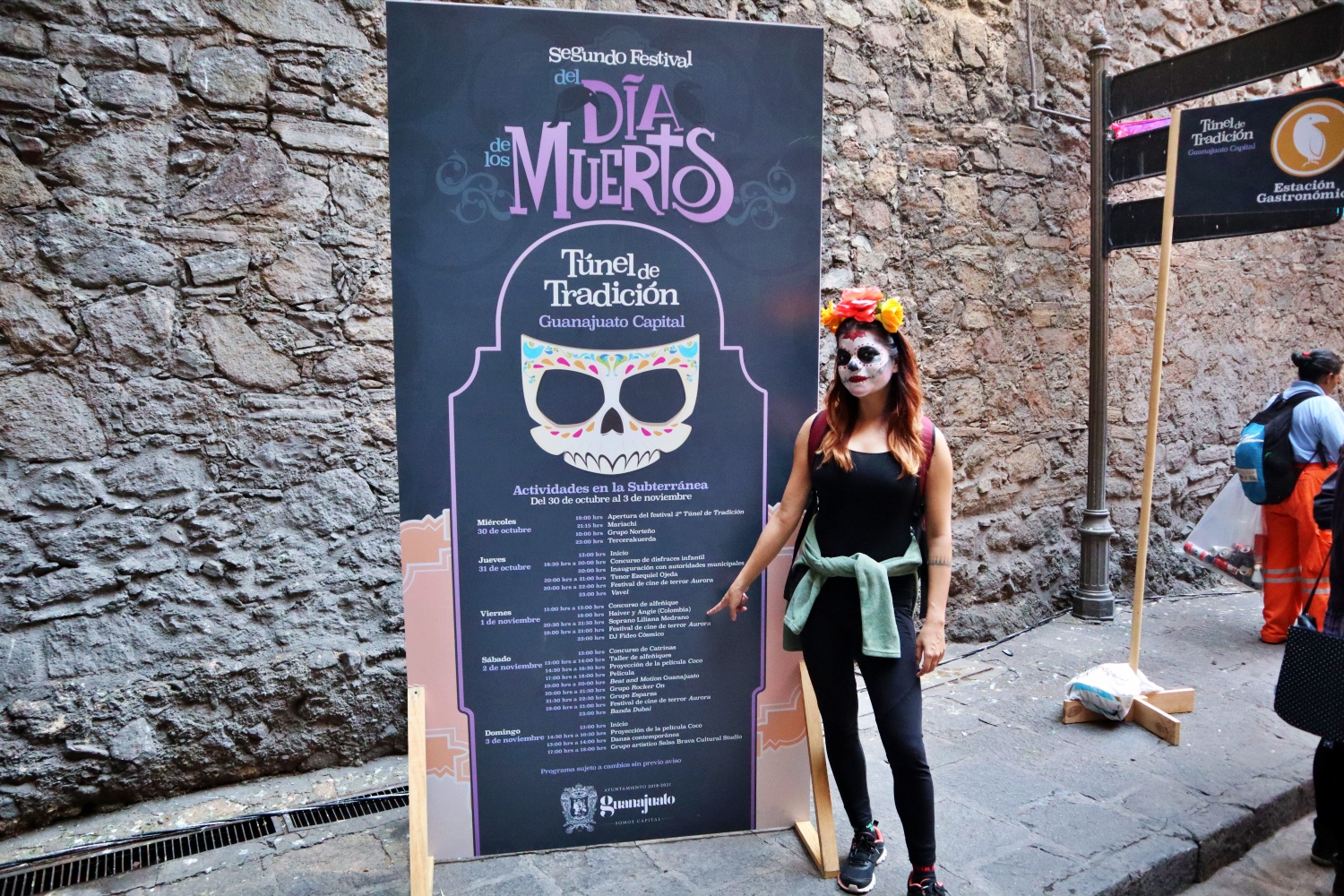
At the heart of the Mexican perspective on death is Día de Muertos, celebrated across the country but especially prominent in states like Oaxaca, Michoacán, and Mexico City.
This holiday blends Indigenous Aztec rituals with Catholic influences brought by the Spanish. It’s celebrated in two parts:
-
November 1 (Día de los Angelitos): Honors children who have passed away.
-
November 2 (Día de los Difuntos): Honors adults who have died.
During these days, families build ofrendas (altars) in their homes or at cemeteries, decorated with:
-
Marigolds (cempasúchil): Believed to guide spirits back with their vibrant color and scent.
-
Candles: Representing light and guidance.
-
Photos of the deceased: Personalizing the altar.
-
Pan de muerto (bread of the dead): A traditional pastry offered to spirits.
-
Favorite foods, drinks, or belongings of the departed.
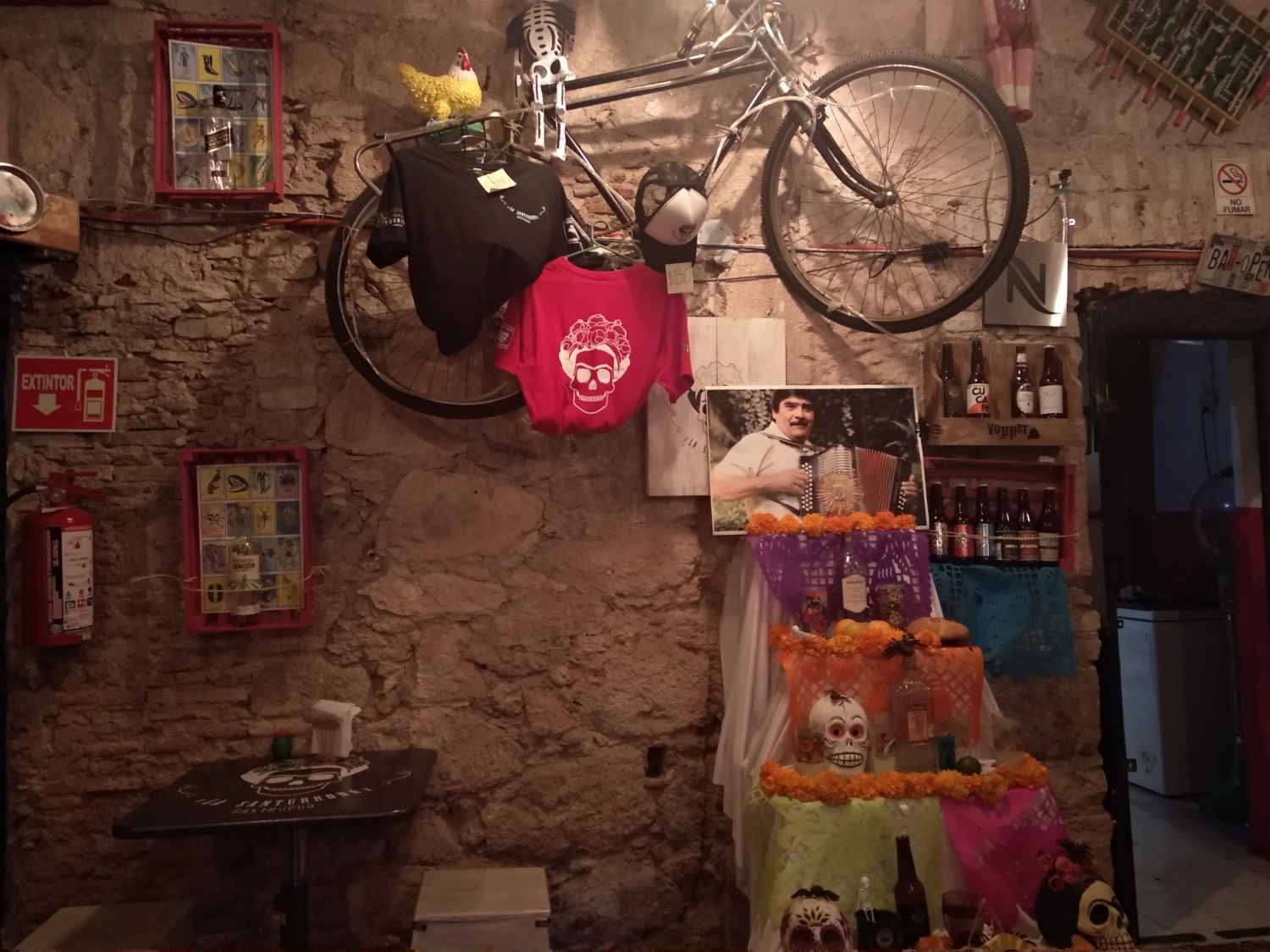
Rather than treating death as something to be hidden, these altars place the dead in the center of the home, keeping their memory alive.
In many places, families spend the night in cemeteries—cleaning graves, singing, eating, telling stories, and even laughing together. Children are not shielded from the rituals; they participate, learning from a young age that death is not something to fear, but something to embrace.
3. Art, Humor, and Skeletons With Personality
Another striking difference in how Mexicans and Americans handle death is the use of humor and artistic expression.
In American culture, skeletons and skulls often represent horror, fear, or Halloween fright. But in Mexican culture, they are playful, meaningful, and full of personality.
Consider the iconic calaveras (sugar skulls)—brightly decorated skulls made of sugar or clay, often bearing the names of the dead or even the living. They are not meant to scare but to honor the identity and spirit of those who’ve passed.
Then there are the calaveras literarias, short satirical poems written during Día de Muertos that joke about death or imagine someone’s humorous demise. These are shared in schools, newspapers, and among friends. It’s a way to laugh at death, making it less scary and more familiar.
Skeleton figures, like the elegant La Catrina, dressed in European garb, also reflect this blending of life, death, and art. Created originally as political satire, La Catrina has become a national symbol—reminding people that no matter our status in life, we all end up the same way.
4. Death as a Collective, Not Isolated, Experience
In the U.S., mourning often becomes a private, lonely process. Grief is expected to be temporary. Bereaved people are sometimes encouraged to “move on” quickly. After the funeral, friends may stop checking in. The pain becomes internalized, sometimes resulting in unresolved sorrow or depression.
In Mexico, death is handled more communally. The rituals surrounding Día de Muertos are shared, public, and generational. Mourning is not something done in silence but through music, food, prayer, and remembrance—with others.
This open, communal remembrance provides a structure for healing that goes beyond individual therapy. It keeps the dead active in the community’s memory, ensuring they are not forgotten.
5. What Americans Can Learn
The Mexican relationship with death doesn’t just offer insight into another culture—it offers valuable emotional, spiritual, and even psychological lessons.
1. Talking About Death Is Healthy
By normalizing conversations around death and loss, we reduce fear and make space for real connection. Teaching children that death is part of life—not something terrifying—can foster resilience and emotional maturity.
2. Grief Doesn’t Have a Deadline
Día de Muertos encourages ongoing remembrance, not rushed closure. Americans can benefit from recognizing that grief doesn’t always need to be “solved,” but can be carried with grace through rituals and storytelling.
3. Celebration Is a Powerful Tool for Healing
Bringing joy into remembrance—through music, food, and community—can transform pain into gratitude and honor. Instead of focusing solely on loss, celebrating someone’s life can offer peace.
4. Honoring Ancestors Deepens Identity
Keeping a connection with those who came before us can strengthen family bonds, create continuity across generations, and give people a sense of rootedness that’s often missing in fast-paced, individualistic societies.
6. Final Thoughts: Embracing Death to Celebrate Life
Death is universal—but how we face it is not.
In Mexico, Día de Muertos is not a festival of the dead—it’s a celebration of life through the lens of death. It’s a time when the veil between worlds thins and love transcends mortality. It offers a model of honesty, ritual, humor, and collective healing that contrasts starkly with America’s often fearful, clinical, and isolated approach.
As more people in the U.S. become curious about this tradition, there’s growing interest in adapting elements of it—not through appropriation, but through appreciation and understanding.
At its core, Día de Muertos invites all of us, no matter where we’re from, to ask a powerful question:
What if we stopped fearing death—and started celebrating the people we love, even after they’re gone?