Sargassum, Storms, and Rising Seas: Is Cancun’s Future at Risk?
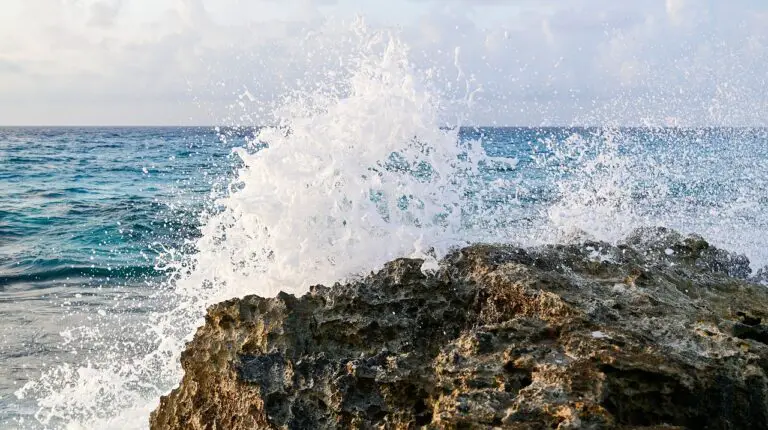
Cancun still sells paradise in travel brochures — turquoise waters, powder-white beaches, umbrella drinks, sun-kissed serenity. But if you’ve visited in the last few years, you know the truth is more complicated. Paradise is under pressure. The Caribbean doesn’t lie, and lately it has been sending warnings ashore like messages in a bottle: mats of drifting sargassum, ferocious storms, eroding beaches, and tides that creep a little higher each season.
Cancun isn’t alone — coastal destinations everywhere are being tested by a changing planet — but few places are as dependent on the promise of perfect beaches. The question now is unavoidable:
Can Cancun weather the environmental storm that’s already arriving?
This isn’t fear-mongering. It’s acknowledgment. Cancun is magical. But even paradise needs a reality check.
When the Sea Turns Against the Shoreline
Cancun owes everything to its coastline. The reefs, the beaches, the postcard-blue shallows — that’s the brand. But that brand has natural limits, and in recent years, nature has been pushing back.
Sargassum: The invasion nobody planned for
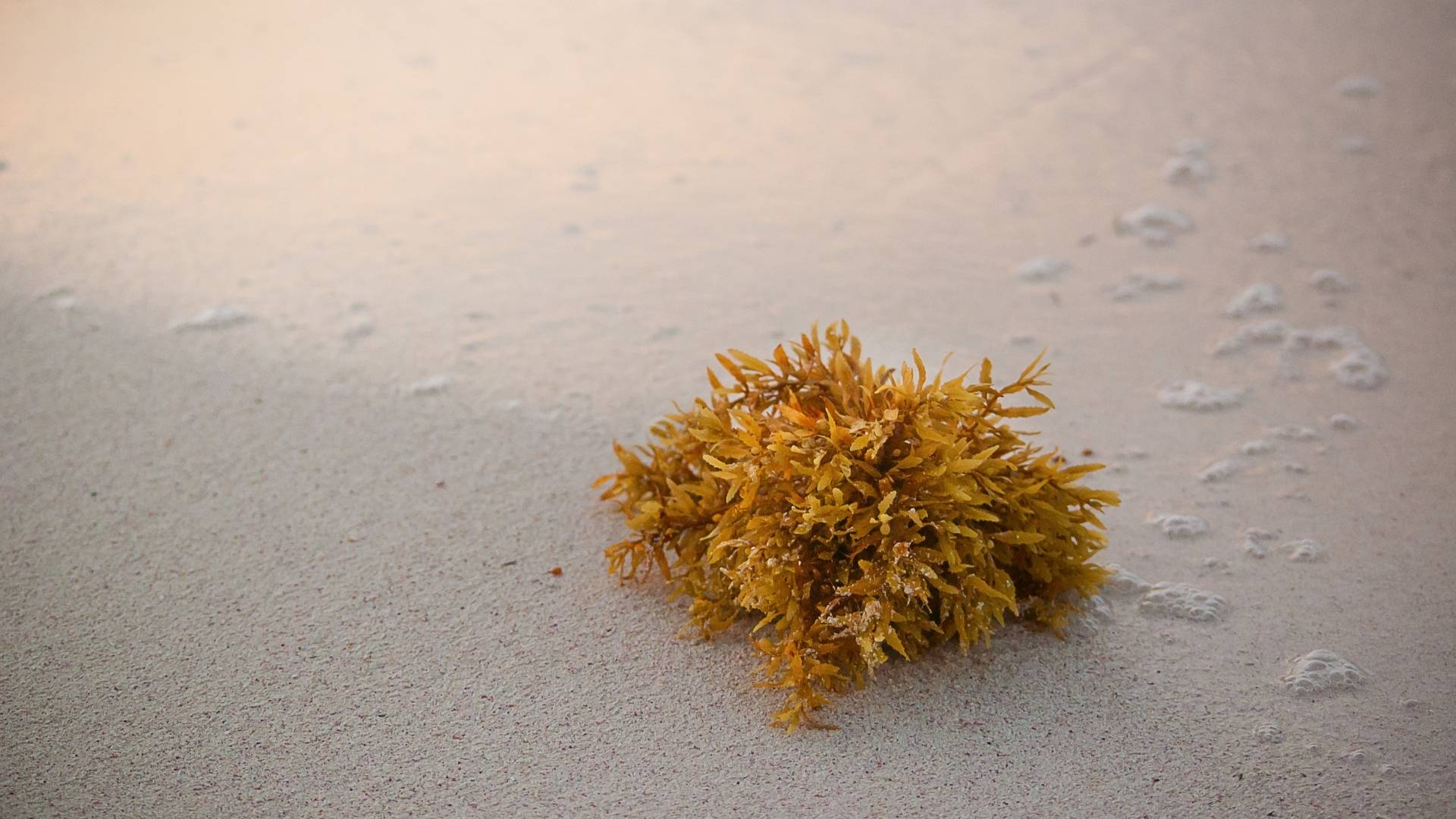
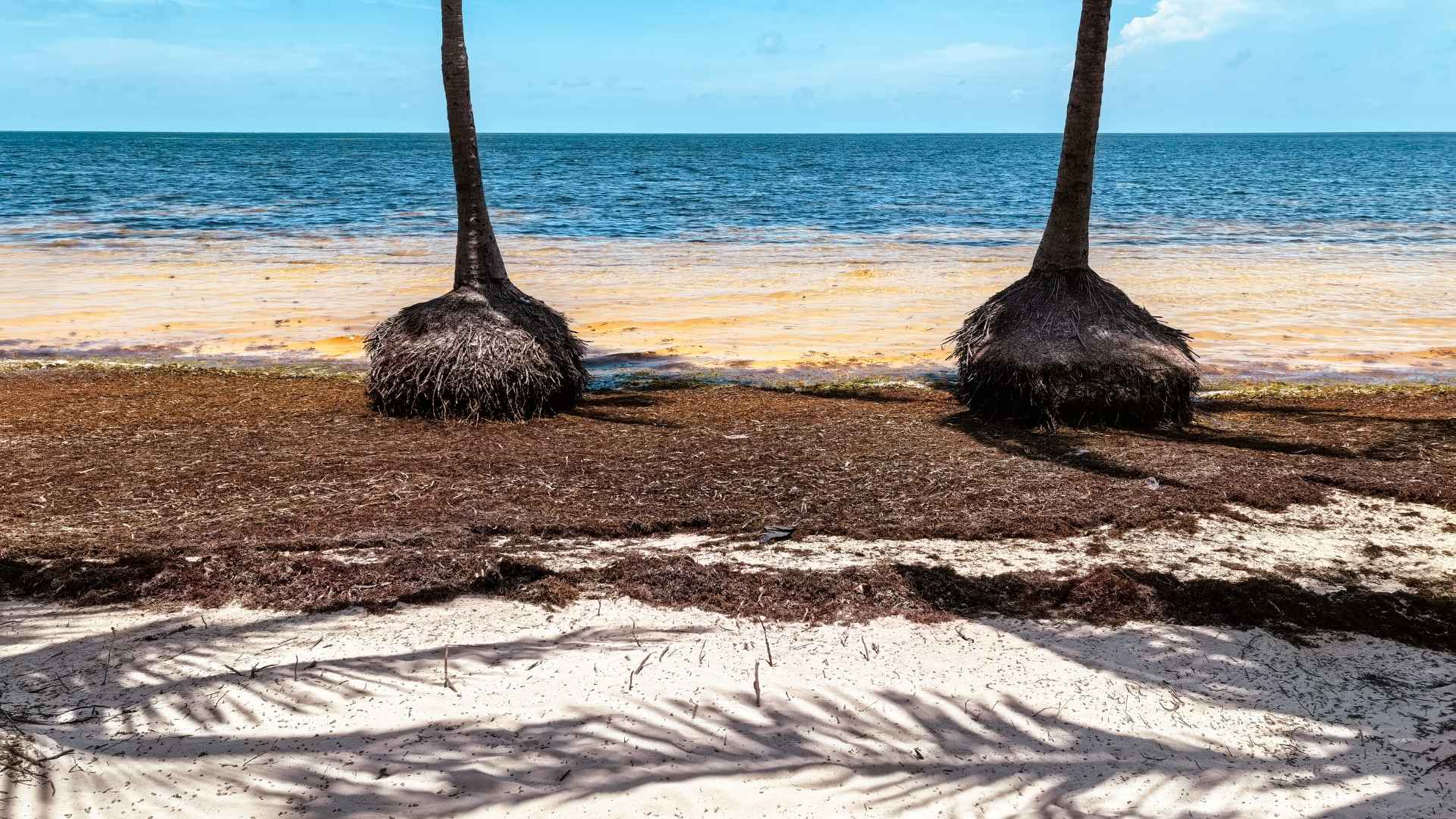
Sargassum used to be an occasional blip — a curiosity, not a crisis. But recently, huge rafts of seaweed have drifted toward the Mexican Caribbean during warmer months, piling up on beaches and rotting in the heat. Tourists arrive expecting turquoise and get brown tides instead. Hotels scramble with barriers, tractors, and wheelbarrows. Workers clear the same stretch two, three, five times a day.
For visitors, it’s an inconvenience. For Cancun’s tourism economy, it’s a threat. A beach that smells like fermenting algae doesn’t sell spa packages.
Some guests shrug, some reschedule, some never come back. That’s the scary part — loyalty erodes like sand in a storm surge.
Storm intensity: When “rainy season” becomes a roulette wheel
Hurricanes have always been part of Caribbean life. But in recent years, the storms aren’t just arriving — they’re arriving angrier. Higher sea temperatures are fuel, and fuel makes monsters. Every season now has the potential for a once-in-a-decade event.
One storm can rearrange an entire coastline. We’ve seen it. Beaches washed away. Palm trees toppled like dominoes. Hotels paying fortunes to rebuild what nature used to maintain for free.
The scary part isn’t one big hurricane — it’s the frequency. Recovery takes time. But the storms don’t wait their turn anymore.
Rising seas: The slow threat that feels like background noise
It’s easy to ignore a few centimeters of sea-level rise when you’re sipping a mojito. But Cancun doesn’t live in decades — it lives in seasons. And in tourism years, creeping seas matter.
Erosion isn’t just nature doing housekeeping. It’s existential. Cancun already spends heavily on sand replenishment projects. Sand is imported, pumped, sculpted, groomed. Paradise, it turns out, is expensive to maintain.
And sea walls? They might protect buildings, but they destroy beaches. Cancun cannot survive without beaches — that’s the bottom line. The ocean edges farther in, grain by grain. Most tourists never notice. Locals see it. Scientists see it. Hotel owners see it.
The ocean is coming. Slowly. Quietly. Relentlessly.
The Fragile Engine of Tourism
Cancun is one of the most visited destinations in the Western Hemisphere. Hotels, restaurants, tour boats, taxis, beach clubs — tens of thousands of livelihoods depend on sunny days and calm seas.
Tourism economies are emotional economies. Perception matters as much as conditions.
A week of sargassum photos on social media can dent bookings. A hurricane season forecast can shift demand. A beach erosion headline can push travelers toward other Caribbean islands — or toward Miami, or Hawaii, or Europe.
Cancun’s greatest strength — tourism concentration — is also its biggest vulnerability. There is no backup industry. No safety net. The sand is the safety net.
The Reef Factor: A Silent Collapse with Loud Consequences
Cancun’s beaches didn’t just appear — they were built by coral reefs over millennia. Reefs create sand, break waves, and protect shores. When they die, erosion accelerates. Storms bite deeper.
And yes, many reefs near Cancun are stressed or damaged — by warming waters, disease, pollution, and heavy tourism. Reefs are not just beautiful; they are infrastructure. When they crumble, everything behind them becomes fragile.
Reef loss doesn’t just affect divers. It affects the entire coastline economy. You can rebuild a hotel after a storm — you can’t rebuild a reef with a concrete truck.
Can Cancun Adapt?
Here’s the hopeful side — Cancun isn’t oblivious. Far from it. Solutions are in motion:
- Sargassum barriers
- Beach restoration projects
- Coral nurseries and reef restoration
- Blue-flag beach certifications
- Sustainable tourism initiatives
- Hotel investment in renewable energy and waste systems
There are bright spots. There are success stories. There are dedicated scientists, workers, and locals fighting for this coast.
But adaptation isn’t about winning once — it’s about keeping up, season after season, storm after storm, tide after tide.
The Caribbean doesn’t reward complacency.
The Hardest Truth
Cancun isn’t dying — let’s be clear. But it is changing. The question isn’t whether change is coming — it’s how the destination responds.
The future will require:
- Smarter coastal development
- Real environmental enforcement
- Sustainable tourism policies
- Marine conservation treated as infrastructure, not charity
- Investments in climate resilience, not just renovations
- Honest communication with travelers
Cancun can survive and thrive — but not if it tries to pretend everything is fine because pretending sells better.
Paradise must be protected, not performed.
A Traveler’s Role in Cancun’s Future
Visitors have power too. Supporting businesses that prioritize sustainability helps. Choosing reef-safe sunscreen helps. Respecting wildlife, avoiding destructive excursions, minimizing waste — it matters.
Even one choice repeated by thousands of travelers adds up. Tourism helped build Cancun — it can help protect it too.
So… Is Cancun’s Future at Risk?
Yes.
But risk isn’t destiny.
Cancun is stunning, resilient, and beloved for a reason. It has reinvented itself before — once a jungle sandbar turned into a global resort powerhouse in just decades. Reinvention is in its DNA.
But this time, it’s not just business strategy. It’s survival strategy.
If Cancun can learn from its coastline, it stands a chance: the most beautiful places in nature are often the most fragile. They don’t need panic — they need protection. They need honesty. They need respect.
Cancun’s future isn’t slipping away.
It’s being decided — right now, season by season, wave by wave.
Whether paradise endures depends not on how Cancun looks today, but how seriously it takes tomorrow.
And if the Caribbean has taught us anything, it’s this: ignore the tide, and eventually, you get swept away.