The Seaweed Invasion: How Sargassum Is Changing Tourism in Cancun
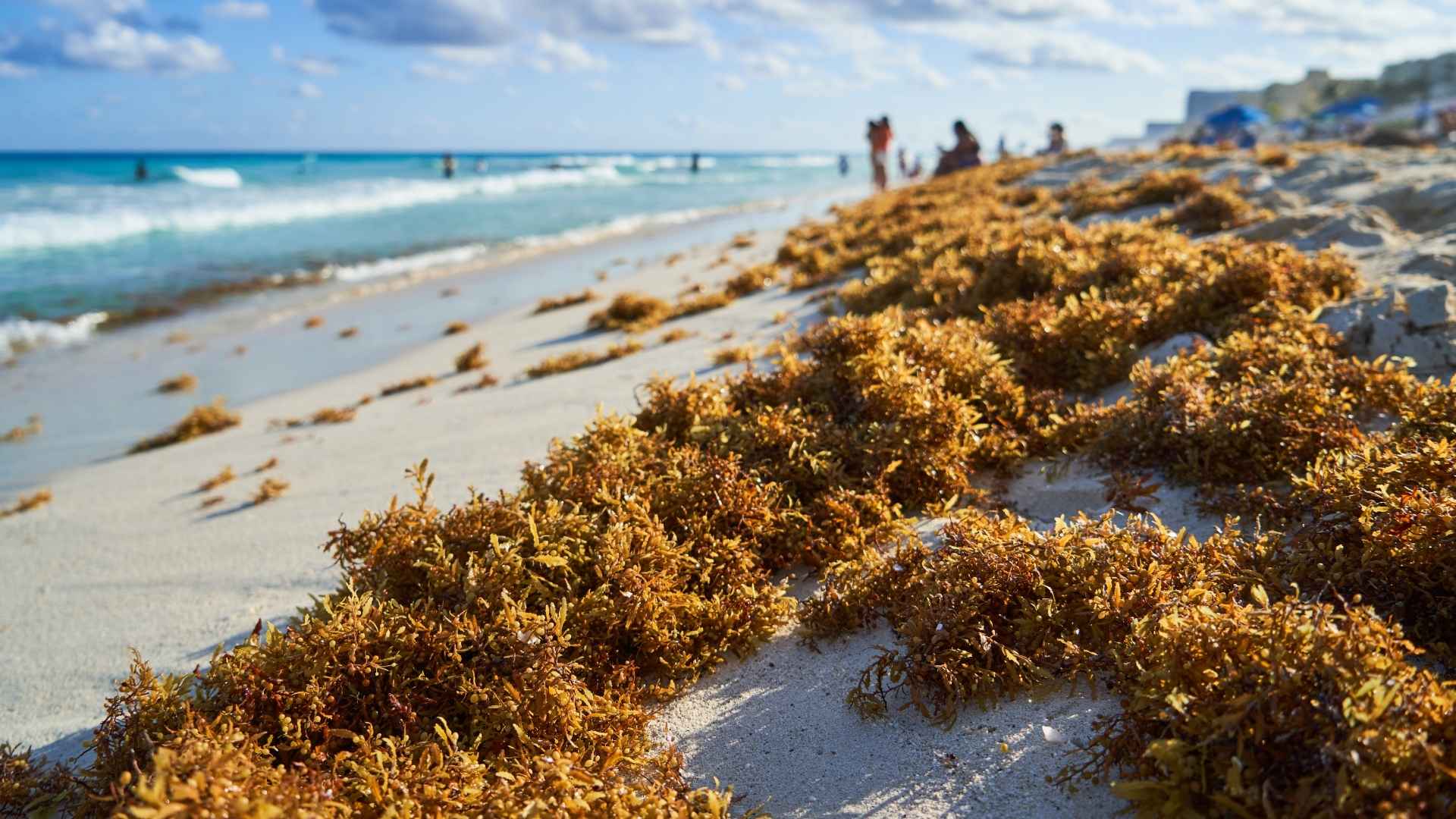
It should be the perfect scene — turquoise waters, soft white sand, and the kind of horizon that feels endless. But lately, visitors arriving in Cancun have been greeted by something unexpected: piles of brown seaweed carpeting the shoreline, the air carrying a faint, salty odor.
This isn’t just any seaweed. It’s sargassum — a naturally occurring algae that’s been drifting in record amounts across the Caribbean in recent years. What was once an occasional inconvenience has now become one of the biggest challenges facing Mexico’s tourism industry, reshaping the image of paradise and sparking conversations about sustainability, science, and the future of coastal travel.
So how did this floating seaweed become such a big deal — and what does it really mean for Cancun’s visitors, locals, and environment?
Let’s dive in.
What Exactly Is Sargassum?
Sargassum is a type of brown macroalgae that floats freely on the surface of the ocean. In the open sea, it’s actually essential — a floating ecosystem that provides shelter and food for marine life, including sea turtles, crabs, and baby fish.
But in the last decade, something has changed.
Massive blooms of sargassum — stretching hundreds of miles — have been forming in the Atlantic and drifting into the Caribbean. Scientists now refer to this phenomenon as the Great Atlantic Sargassum Belt, which spans from West Africa to the Gulf of Mexico.
And when this seaweed hits shore, it piles up fast.
In small amounts, it’s harmless. But in massive quantities, it can smother beaches, disrupt marine habitats, and release a sulfur-like smell as it decomposes. For a region like Cancun — whose economy revolves around pristine beaches — it’s a major problem.
How It’s Affecting Cancun’s Beaches
Cancun’s appeal has always been its beaches — bright, clean, and postcard-perfect. But when tons of sargassum wash up overnight, that image changes quickly.
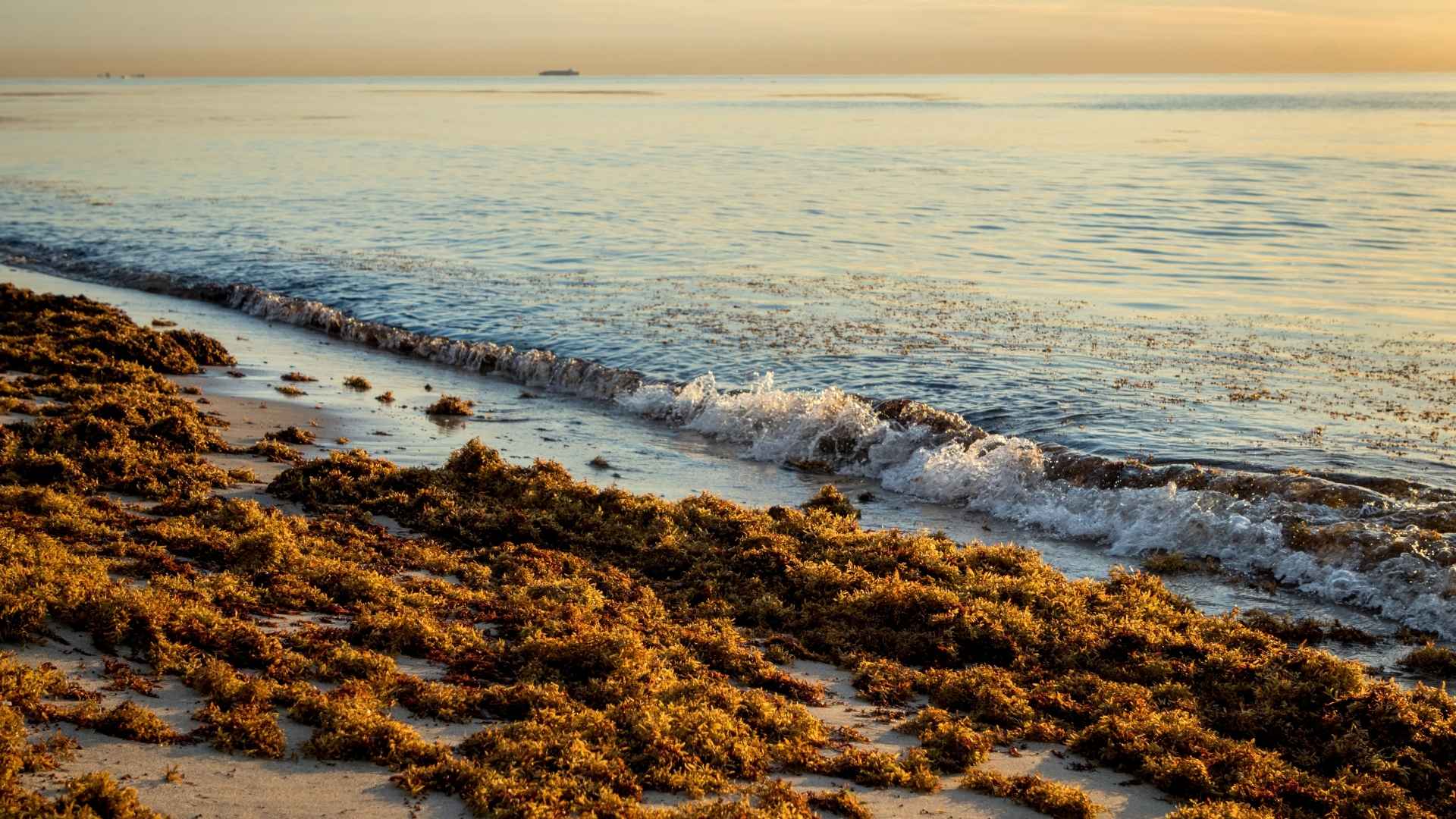
During heavy influx periods, the once-white shoreline turns golden-brown, and the clear water becomes murky near the coast. The smell of decaying seaweed can linger in the air, and beachgoers sometimes find it unpleasant to swim or sunbathe.
Hotel staff work tirelessly to clear the seaweed — often starting before sunrise — using rakes, tractors, and even boats with floating barriers to keep it from reaching the sand. But the task is relentless. Some days, nature wins.
Still, not all beaches are equally affected. Certain currents and wind patterns push more sargassum toward southern areas like Playa del Carmen and Tulum, while northern spots like Isla Mujeres and Costa Mujeres often remain relatively clear. This unpredictability has become part of the travel experience itself.

The Tourist Experience: Expectations vs. Reality
Most travelers visiting Cancun for the first time have seen the glossy photos — the kind that sell the dream of perfect turquoise seas. So when they arrive during sargassum season (typically April to October), some are surprised by what they find.
Social media posts of seaweed-covered beaches have occasionally gone viral, with visitors sharing disappointment or confusion about why “paradise” doesn’t look like the brochure.
But for many, it’s a matter of timing and awareness. Travelers who do a bit of research or follow local sargassum monitoring maps (yes, they exist) often plan around the worst months or choose nearby destinations with cleaner water.
Others take it in stride — realizing that sargassum is a natural event, not pollution, and that the Caribbean’s beauty goes far beyond the shoreline.
Still, for hotels and tour operators, managing expectations has become part of the new normal.
How the Tourism Industry Is Fighting Back
Cancun’s hospitality sector has responded with creativity and urgency. Resorts, municipalities, and environmental groups are investing heavily in seaweed control and cleanup efforts.
Here’s how they’re tackling it:
- Floating Barriers: Many beachfront properties now deploy long floating barriers to keep sargassum from reaching the sand. These can deflect or redirect the seaweed toward collection points at sea.
- Daily Beach Cleanups: Municipal workers and private crews remove tons of sargassum each day, sometimes before tourists even wake up. In high season, cleanup can cost millions of dollars.
- Innovation and Recycling: Some companies are turning sargassum into something useful — making biofuel, compost, construction bricks, and even vegan leather from the dried seaweed.
- Diversification: Many hotels are promoting inland attractions — like cenotes, Mayan ruins, and jungle adventures — giving tourists options even when beaches are affected.
It’s an enormous effort, and while it can’t completely erase the problem, it helps keep Cancun’s image — and economy — afloat.
The Environmental Story No One Talks About
Behind the tourism headlines, there’s a deeper story — one about climate change, ocean currents, and human activity.
Scientists believe that the sargassum boom is linked to rising ocean temperatures, deforestation, and nutrient runoff (like fertilizers and waste) flowing into the Atlantic from major rivers such as the Amazon and Congo.
These nutrients act like fertilizer for seaweed, fueling explosive growth. Combined with warmer water and changing wind patterns, it creates a perfect storm that sends sargassum drifting toward the Caribbean each year.
In other words: it’s not a local problem — it’s a global one.
And while Cancun bears the brunt of it, communities across the Caribbean — from Barbados to Jamaica to the Dominican Republic — are facing the same battle.
Locals on the Front Line
For locals who depend on tourism, sargassum isn’t just a nuisance — it’s a threat to their livelihood.
Beach vendors, fishermen, tour guides, and small business owners often feel the impact most directly. When the seaweed builds up, boat tours are canceled, beach clubs see fewer guests, and fishing routes become blocked.
Yet, there’s also resilience. Many locals have found ways to adapt, offering eco-tours, cenote excursions, and inland adventures that thrive even when beaches don’t.
Others have joined community cleanup efforts or small recycling initiatives, turning sargassum from a problem into an opportunity.
It’s not easy, but it’s a reminder that Cancun’s strength has always been its people — flexible, innovative, and deeply connected to the sea.
What Travelers Can Do
The sargassum situation isn’t going away anytime soon — but travelers can help make a difference.
Here are a few ways to travel smarter during sargassum season:
- Check Sargassum Forecasts – Websites and social media pages (like Red de Monitoreo de Sargazo Cancún) post daily beach updates.
- Choose the Right Beaches – Northern areas like Isla Mujeres, Costa Mujeres, and Holbox tend to be clearer than southern Riviera Maya spots.
- Be Flexible – Plan inland adventures — cenotes, ruins, and jungle tours — in case the beach isn’t swimmable one day.
- Support Eco-Friendly Hotels – Stay at resorts investing in sustainable cleanup methods and proper disposal systems.
- Stay Informed – Remember that sargassum is a natural event, not pollution, and that it’s tied to larger environmental changes that affect the entire region.
With a bit of preparation, you can still have a beautiful and meaningful experience in Cancun — even if nature doesn’t look exactly like the travel brochure.
Beyond the Beach: Rediscovering Cancun
Ironically, the rise of sargassum has encouraged many travelers to explore the deeper side of Cancun — beyond its beaches.
Now, more visitors are heading inland to discover the region’s cenotes (natural sinkholes), ancient ruins, Mayan villages, and eco-parks that showcase the area’s culture and biodiversity.
They’re hiking through jungle trails, swimming in crystal-clear underground rivers, and learning about the Yucatán’s unique ecosystem.
In a way, sargassum is forcing travelers to see the real Quintana Roo — a place that’s much more than its coastline.
And for some, that’s been a gift in disguise.
A Problem That Might Get Worse Before It Gets Better
According to oceanographers, sargassum blooms are expected to continue — and possibly intensify — in the coming years due to warming oceans and nutrient-rich runoff.
That means Cancun and the broader Mexican Caribbean will likely need long-term strategies, not just temporary cleanups.
Some scientists are studying ways to harvest sargassum at sea before it reaches shore, while others are exploring how it can be turned into sustainable materials. There’s even talk of using drones and AI to predict seaweed movement, allowing coastal cities to prepare in advance.
The fight isn’t over — but innovation is on the horizon.
Nature’s Reminder
At its core, the sargassum problem is a reminder of something travelers often forget: paradise is part of nature — and nature changes.
The Caribbean’s beauty has always been dynamic, shaped by the rhythms of the ocean and the forces of the Earth. The seaweed washing ashore is inconvenient, yes — but it’s also a symbol of how interconnected our planet is.
Every current, every tide, every bloom tells a story. And as Cancun faces this challenge, it’s rewriting its own — one that’s about resilience, awareness, and the constant dance between people and the sea.
Cancun Still Shines
Despite the seaweed, Cancun remains one of the most visited — and loved — destinations in the world. The beaches still sparkle on most days, the people remain welcoming, and the essence of paradise is still very much alive.
The truth is, Cancun’s beauty runs deeper than its shoreline. It’s in the colors of the sunset over Nichupté Lagoon, the sound of laughter from beach vendors, the taste of a cold michelada after a day in the sun.
Sargassum might come and go, but Cancun’s magic endures.
And for travelers who come with open eyes — ready to experience both the challenges and the wonder — that magic might feel even more real than ever before.