
What No One Tells You About the Brown Seaweed Taking Over Paradise
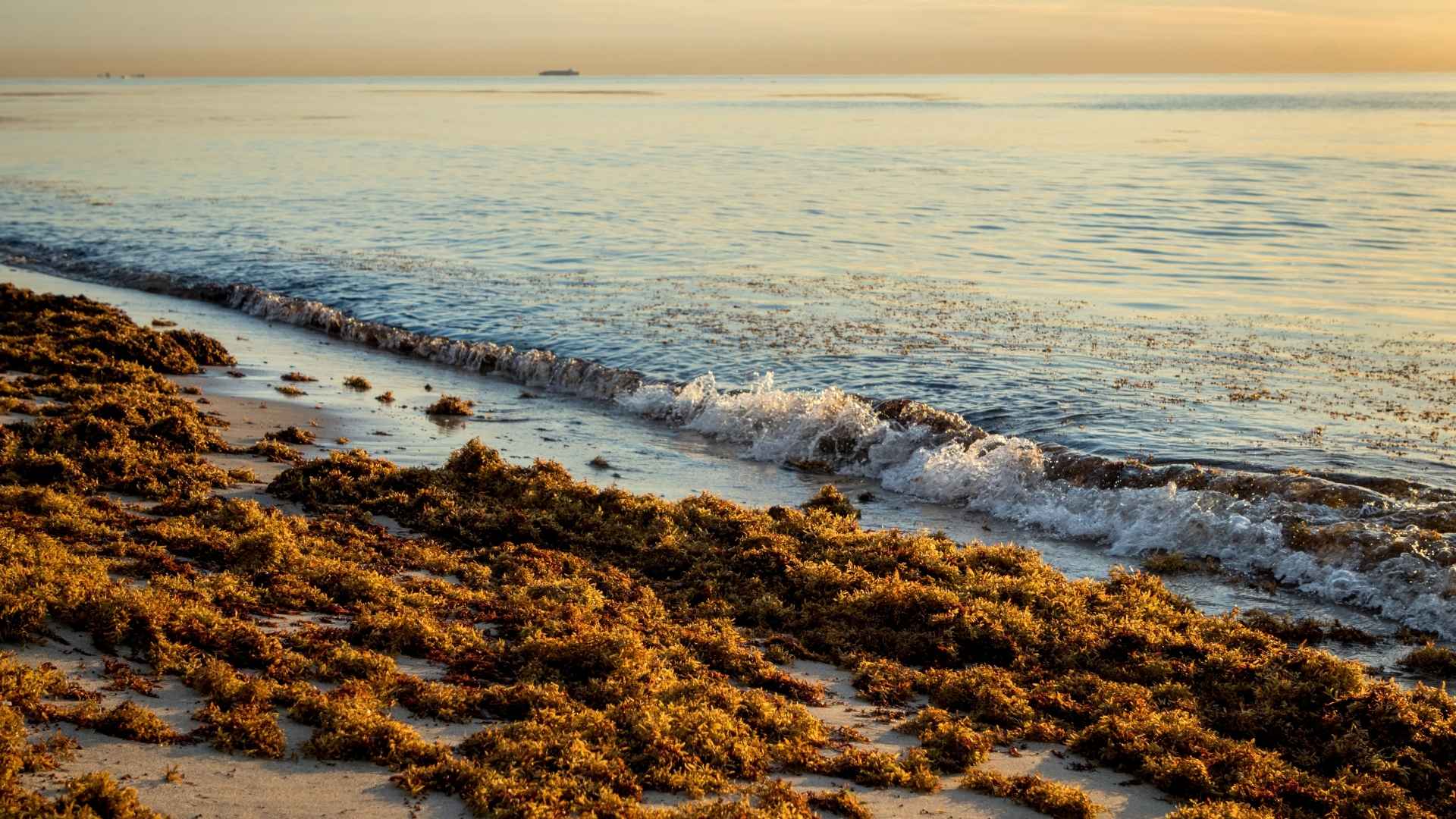
Cancun has long been a postcard-perfect dream — turquoise waters, soft white sand, and endless sunshine. But over the past few years, something unexpected has been showing up along those famous shores: thick mats of brown seaweed, known locally as sargassum.
It’s nature’s unwanted guest — drifting in from the Atlantic, washing ashore in heaps, and changing the way tourists experience paradise. While most travelers have seen the headlines or a few social media posts about it, there’s much more to the story than meets the eye. What few people realize is that sargassum isn’t just a nuisance — it’s a global phenomenon reshaping Caribbean tourism, coastal ecosystems, and even the future of Cancun’s beach economy.
Here’s what’s really happening beneath the waves — and what no one tells you before you arrive in paradise.
What Exactly Is Sargassum?
Sargassum is a naturally occurring type of brown algae that floats on the ocean’s surface. It’s not your typical slimy seaweed that grows on rocks — it forms massive floating islands that can stretch for miles across the Atlantic Ocean.
Scientists first identified these drifting clusters in the Sargasso Sea, a region of the North Atlantic surrounded by ocean currents. For centuries, it played a role in marine life, providing food and shelter for fish, turtles, and crabs.
But over the last decade, something changed. The natural cycle that once sent small amounts of sargassum toward the Caribbean each year has become an annual invasion — massive blooms that darken the sea, pile up on beaches, and release a distinct odor as they decay.
Why Cancun Is Getting Hit So Hard
Cancun’s geography is both its blessing and its curse. The same ocean currents that bring in warm, clear waters from the Caribbean also carry in floating mats of sargassum from the Atlantic. Once the seaweed hits shallow waters near the Yucatán Peninsula, it gets trapped by reefs and tides, accumulating faster than local crews can remove it.
Scientists point to a combination of factors behind the surge:
- Warmer ocean temperatures that boost algae growth
- Agricultural runoff from rivers like the Amazon, feeding the seaweed with nutrients
- Changing ocean currents linked to climate change
In other words, sargassum isn’t a local problem — it’s part of a global environmental shift. And Cancun, with its exposed eastern coastline, happens to be one of the most visible frontlines.
The Tourist Experience No One Warns You About
Travel brochures rarely mention it, but arriving during a heavy sargassum season can be jarring. That bright turquoise water you saw online might look darker or murky. The famous white sand can be covered in brown seaweed.
The smell — caused by decomposing organic matter releasing hydrogen sulfide — can linger in the air, especially during the heat of midday. Beach clean-up crews work tirelessly from sunrise to sunset, using tractors, rakes, and even boats with floating barriers to clear as much as possible.
Still, most visitors are caught off guard. They expect perfection — and instead find paradise struggling to breathe under a tide of brown algae.
What the Hotels Don’t Always Say (But Locals Will)
Resorts have gotten much better at managing the seaweed problem, but not every beach is affected equally.
Some resorts along the Hotel Zone are constantly cleaned, giving guests a nearly perfect view. Others, particularly those further south toward Playa Delfines or Puerto Morelos, can experience heavier buildup depending on the season and tides.
Locals often say that what matters most isn’t whether sargassum arrives — it’s how well the hotel handles it. Many resorts now publish live beach cameras or daily updates on seaweed conditions, but that’s not always highlighted in glossy ads.
Off the record, hotel staff will tell you that April through August tends to be the peak sargassum period — though nature doesn’t always follow a schedule. Some years, the sea is pristine all summer; other times, it’s unpredictable week to week.
The Environmental Irony of It All
Here’s where it gets interesting: while sargassum is frustrating for tourists, it’s a natural part of the ocean’s ecosystem — and even beneficial offshore.
In open waters, sargassum supports biodiversity, acting as a nursery for baby turtles, fish, and eels. But when it washes ashore in massive quantities, it can choke coral reefs, suffocate sea grass beds, and damage marine habitats by blocking sunlight and depleting oxygen.
It’s a double-edged sword — an essential part of marine life in moderation, but a destructive force in excess.
Scientists are working on ways to turn sargassum into something useful — from biofuel and fertilizer to biodegradable packaging. Some startups in Quintana Roo are experimenting with using it to make eco-friendly bricks and construction materials — turning a problem into innovation.
How Locals Are Fighting Back
Cancun isn’t sitting idly by. Local government agencies, hotel associations, and volunteers have banded together to fight the seaweed surge.
Here’s what’s happening behind the scenes:
- Floating barriers are installed offshore to divert sargassum away from beaches.
- Boats known as “sargaceras” scoop up the seaweed before it hits the sand.
- Daily cleanup crews operate at sunrise, clearing beaches before tourists wake up.
- Research centers in Quintana Roo are studying algae patterns to predict future arrivals.
This coordinated effort costs millions of dollars each year, but it’s become essential to keep Cancun’s beaches open and safe for visitors.
What Travelers Can Actually Do
You can’t control the ocean — but you can plan smart. If you’re heading to Cancun, here’s how to make the most of your trip, even during sargassum season:
- Check real-time seaweed maps. Several websites and apps track sargassum conditions along the Caribbean coast.
- Choose resorts with protected beaches. Some areas, like Isla Mujeres, Costa Mujeres, and Cozumel, are naturally sheltered from sargassum thanks to ocean currents.
- Embrace inland adventures. When beaches are affected, it’s the perfect time to explore cenotes, Mayan ruins, and jungle tours.
- Support local clean-up efforts. Some eco-tours and volunteer programs let visitors participate in preservation projects.
- Don’t let one photo ruin your trip. Cancun’s beauty goes far beyond the shoreline — its culture, cuisine, and energy remain as vibrant as ever.
When Paradise Looks Different — But Still Feels Like Paradise
The presence of sargassum doesn’t erase what makes Cancun special. It changes the view, yes — but not the essence. The sunsets still burn gold over the horizon, the food still bursts with flavor, and the hospitality remains unmatched.
Some travelers even find beauty in seeing how nature reclaims the coast, reminding us that paradise isn’t about perfection — it’s about connection. The ocean, after all, doesn’t exist just for us. It’s alive, adapting, and constantly in motion.
Locals’ Perspective: A Shared Responsibility
Ask anyone who’s lived in Cancun for years, and they’ll tell you: the sea gives and the sea takes. The arrival of sargassum has become a reminder that the environment can’t be taken for granted.
Many residents see it as a wake-up call — a visible sign of climate change and pollution that connects Cancun to a much larger global issue. For locals, protecting the beaches isn’t just about tourism — it’s about preserving identity, livelihood, and heritage.
From restaurant owners to dive instructors, everyone is adapting. Some have shifted tours toward eco-friendly inland experiences. Others educate tourists on how to minimize environmental impact. The spirit of Cancun is one of resilience — and that hasn’t changed, even with the seaweed.
Looking Ahead: Can Cancun Win the Battle Against Sargassum?
Experts are cautiously optimistic. Research teams in Mexico and the Caribbean are experimenting with predictive satellite models to track sargassum blooms weeks in advance. Governments are investing in better collection systems and recycling technologies to repurpose what’s gathered.
But most importantly, there’s a growing awareness among travelers. The more visitors understand the issue, the more they can support sustainable tourism — choosing eco-conscious resorts, respecting natural habitats, and reducing waste that feeds the global algae problem.
Cancun might not return to its seaweed-free past anytime soon, but it’s adapting — and so are the travelers who love it.
The Real Secret of Cancun’s Resilience
The next time you see a photo of brown seaweed along a once-perfect beach, remember this: it’s not a sign that paradise is lost. It’s a sign that paradise is real. Cancun’s beauty was never meant to be flawless — it was meant to be alive.
The Caribbean has always been more than a backdrop for vacation photos. It’s a living, breathing system that reacts to the world around it. And in a way, sargassum is just the ocean reminding us that balance matters — for both the planet and the people who depend on it.
Final Thought
So, what no one tells you about the brown seaweed taking over paradise is this: it’s not the end of Cancun’s magic. It’s an invitation to see it differently.
Because even when the waves bring change, Cancun’s heart — its people, culture, and natural spirit — continues to shine through. And that’s a kind of beauty no tide can wash away.


