What Locals Know About Cancun’s “Smelly” Season That Tourists Don’t
Picture this: you’ve finally arrived in Cancun. The plane doors open to a rush of tropical heat. You can almost taste the salt in the air. You’ve been dreaming about turquoise water, sugar-white sand, and fruity cocktails under a palm tree.
But when you step onto the beach… something smells off.
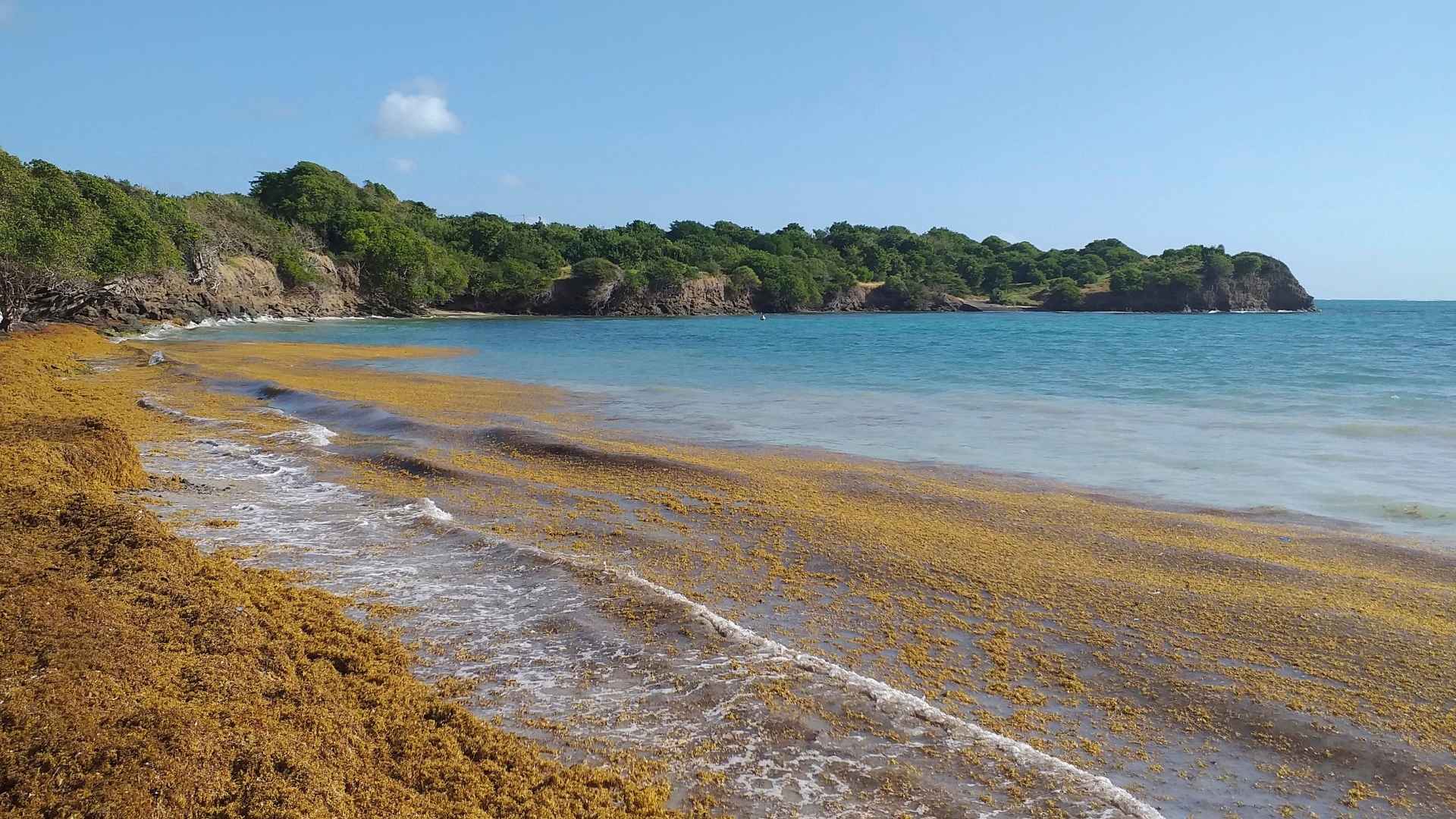
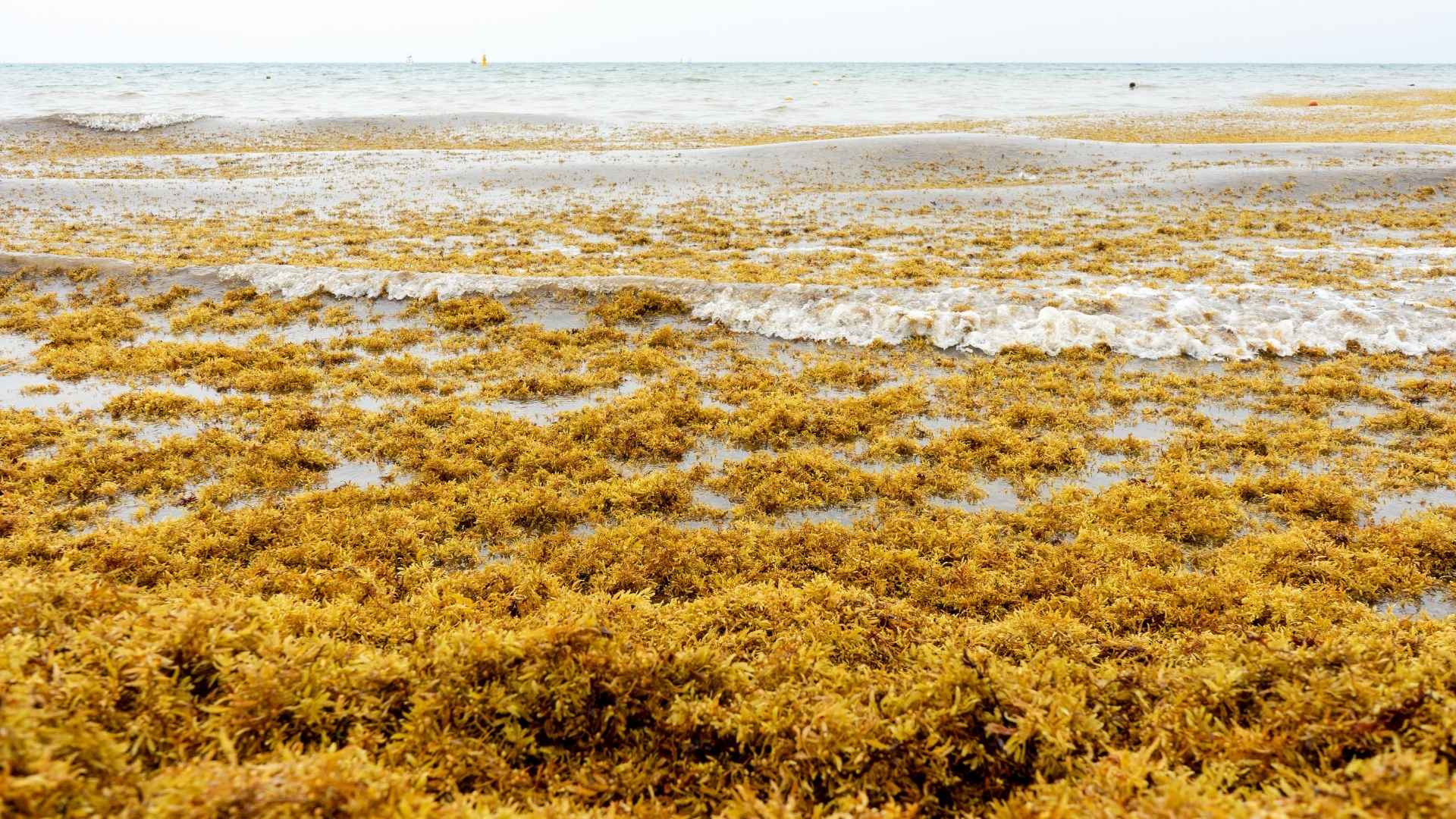
The water isn’t the glassy blue you saw online — it’s a bit brown, and there are piles of seaweed mounded along the shore. Workers are raking. Tractors hum. You wrinkle your nose and whisper the question no one wants to ask aloud:
“What’s that smell?”
Welcome to what locals politely call “sargassum season.”
It’s not glamorous, but it’s real. And if you’ve never heard of it before, that’s because most travel brochures won’t tell you about it — locals will.
Cancun still has paradise days, but during sargassum season, paradise changes shape. Here’s what the people who actually live on the coast know — and what every traveler should understand before jumping to conclusions about the “smelly” season.
First, What Is Sargassum?
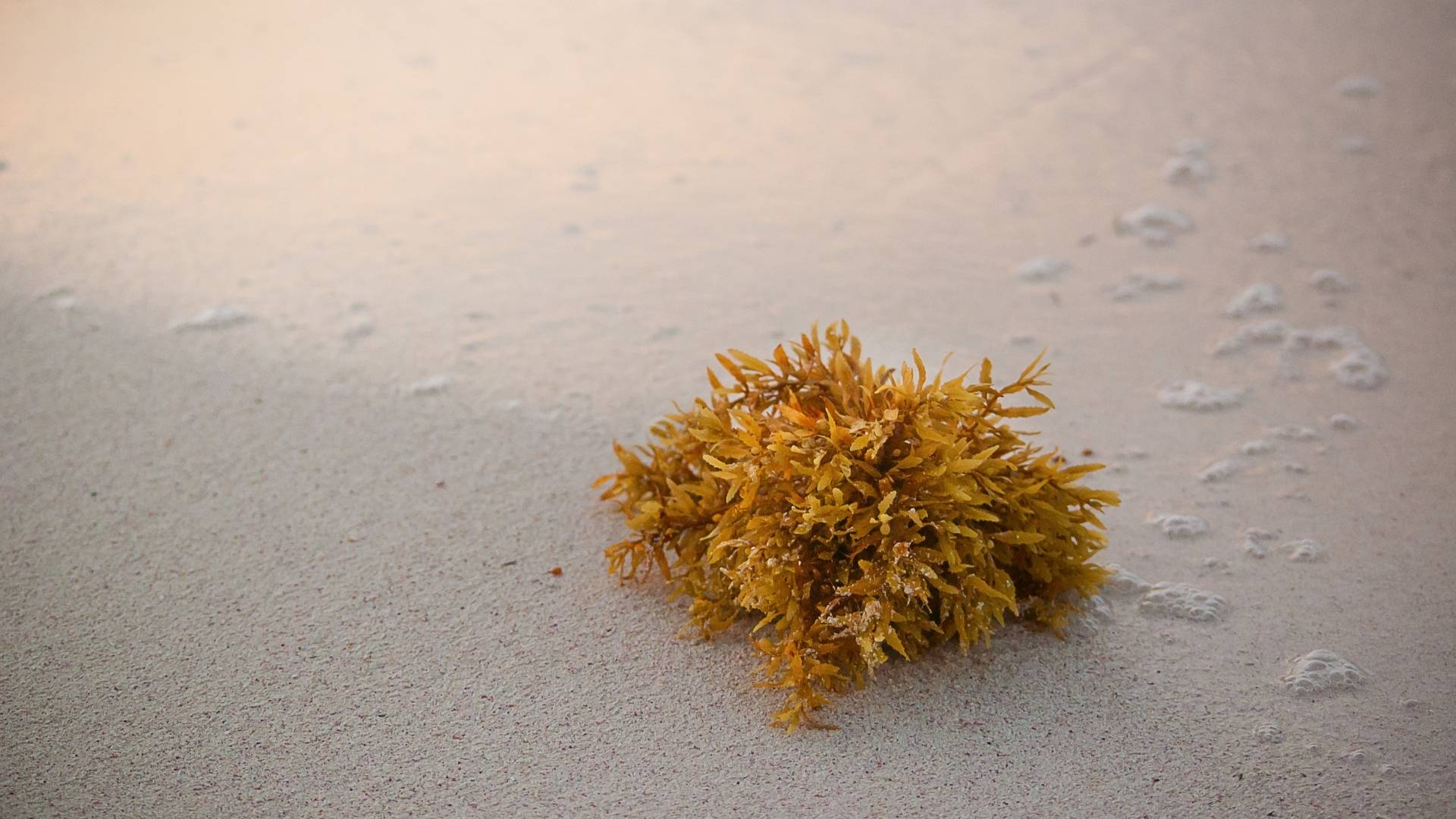
Sargassum is a type of brown seaweed that drifts across the Atlantic Ocean in massive floating mats. It’s natural — part of an ecosystem that supports fish, turtles, and marine birds.
The trouble starts when unusually large amounts of it wash ashore along the Caribbean coast. What was once a gentle sea plant turns into mountains of rotting algae baking under the sun.
And yes — it smells. A mix of salt, sulfur, and decay. It’s nature’s compost pile delivered straight to the beach.
Locals call it the “brown tide.” Hoteliers call it a nightmare. Scientists call it a symptom of a changing ocean.
When Does It Happen?
If you ask ten locals, you’ll get ten slightly different answers. But here’s the general pattern they all agree on:
- It usually starts between April and May
- It peaks during the summer months — June, July, August
- It often fades by late September or October
The season doesn’t follow a strict calendar. Some years, it arrives late. Some years, it never hits Cancun hard at all. Other years, it’s relentless.
Think of it as the Caribbean’s version of hurricane season — a natural phenomenon that can’t be fully predicted, only prepared for.
Why It’s Happening More Often
Here’s what scientists — and every beach worker in Cancun — have noticed: the sargassum isn’t just seasonal anymore. It’s global. It’s growing.
Why?
Locals have heard the explanations for years, and they know them by heart:
- Warmer ocean temperatures fuel algae growth.
- Agricultural runoff from rivers in South America feeds the bloom with nutrients.
- Changing ocean currents push the sargassum west instead of letting it break down at sea.
- Climate change accelerates everything.
It’s not a Cancun problem — it’s a Caribbean-wide crisis stretching from Barbados to Belize. Cancun just happens to be one of the most visible stages.
How Locals Deal With It (and Why You Shouldn’t Panic)
Here’s what most tourists don’t realize: Cancun is not helpless.
Every morning during sargassum season, an entire unseen army goes to work. Before sunrise, crews comb the beaches with rakes, tractors, and wheelbarrows. Offshore, boats pull floating barriers — long orange booms that catch the seaweed before it hits shore.
By the time tourists wake up and wander to the buffet, many beaches have already been cleaned once — sometimes twice. The cleanup continues all day, every day.
Locals don’t panic. They adjust.
- They check which beaches have barriers and which don’t.
- They drive twenty minutes north or south to find clear water.
- They choose hotels with proactive cleanup programs.
- They know that not every part of Cancun is affected equally.
Because that’s another secret: sargassum doesn’t hit every beach at once.
Some days, Playa Delfines looks brown while Isla Mujeres glows blue. A wind shift can make all the difference. Locals know which way the wind is blowing before they even leave the house.
The Smell Isn’t Pollution — It’s Biology
Tourists often assume the sulfur smell means something toxic or industrial. But locals will tell you: it’s not chemicals — it’s chemistry.
When sargassum decomposes, it releases hydrogen sulfide — the same gas that gives eggs that “rotten” scent. It’s not dangerous in small beachside amounts, just unpleasant. The breeze disperses it quickly once cleanup begins.
Hotels do their best to remove decaying piles before they heat up, but during heavy weeks, it’s a losing race with the sun. The trick is simple: mornings smell better. Go early, before the day bakes the shore.
The Local Workaround: Knowing Where to Go
While first-time visitors might assume every beach is brown, locals know the coastline’s geography like a tide chart.
Here’s their secret logic:
- The wind blows mostly east to west.
So, beaches facing directly east (like most of Cancun’s Hotel Zone) take the hit. - The north-facing beaches, like Playa Norte on Isla Mujeres, stay clearer. The water there is calmer and shielded by the island’s curve.
- The western side of Isla Mujeres and parts of Laguna Nichupté often have little to no sargassum at all.
- Puerto Morelos, about 30 minutes south, tends to be hit hard some years, but locals there are used to the rhythm — and they’ve learned to build their beach life around the cleanup cycle.
- Cozumel and Holbox can be great backups. Depending on currents, they might stay spotless while Cancun’s main strip struggles.
For locals, a “bad sargassum day” doesn’t ruin the beach. It just changes which beach they go to.
Hotels That Get It — and Those That Don’t
Talk to anyone who’s lived here long enough, and they’ll tell you: not all hotels handle sargassum equally.
The smart ones — usually the higher-end resorts and locally owned properties — have daily cleanup crews, floating barriers, and partnerships with marine organizations. They’ll even send out text alerts or post real-time beach conditions on social media.
Others prefer to pretend it’s not happening — until guests start complaining.
Locals know better than to rely on glossy marketing. They look for signs of a responsible property: visible workers on the sand, equipment at the ready, management that acknowledges reality.
The best hotels aren’t the ones with no sargassum. They’re the ones that care enough to do something about it.
Sargassum Isn’t All Bad — If You’re a Local Fisher or Environmentalist
Here’s something most visitors never hear: locals don’t hate sargassum as much as you might think.
Some small cooperatives are learning to turn the problem into profit — collecting sargassum and transforming it into compost, construction bricks, or even biofuel.
Researchers are experimenting with using sargassum as fertilizer. Entrepreneurs are testing eco-products made from dried seaweed.
It’s not glamorous work. It’s hot, smelly, and relentless. But it’s an example of the Mexican Caribbean’s resilience — turning crisis into creativity.
Locals know nature rarely sends waste without purpose.
It’s Not Always There — Even in “Smelly Season”
One of the biggest misconceptions among visitors is that once sargassum hits, the beaches stay brown for months. Not true.
The seaweed arrives in waves, sometimes followed by days of crystal-clear water.
One week can look like two different worlds — and locals know that the weather, tides, and winds can reset everything overnight.
A rainy night. A strong current. A change in air temperature — and suddenly, paradise returns.
That’s why locals rarely complain online about sargassum: they know it’s temporary. They’ve seen enough seasons to understand the pattern.
Social Media Doesn’t Show the Full Picture
Locals laugh at the viral TikToks showing “Cancun covered in brown sludge.” It’s true for that beach, that hour, that day — but rarely the whole story.
You can drive twenty minutes and find perfection.
What social media misses is the scale of Cancun’s coastline — miles and miles of sand. Some parts will be spotless while others battle the bloom.
If you only look through a phone, you’ll think paradise vanished. If you look with your own eyes — or ask a local — you’ll realize it just moved down the coast.
The Bigger Truth: Paradise Is Alive, Not Frozen
Locals understand something that first-time visitors often forget: the Caribbean is alive.
It moves. It breathes. It changes color. Some days it’s a calm bath. Some days it’s a roaring beast. Some weeks it smells like heaven. Some weeks it smells like biology.
That’s not failure — that’s the ocean being the ocean.
Paradise was never supposed to be perfect. It’s supposed to be wild.
Cancun isn’t a movie set. It’s a living ecosystem that feeds families, shelters turtles, and connects to the world’s changing climate. The sargassum isn’t ruining it — it’s reminding everyone that even beauty needs balance.
So, Should You Avoid Cancun During the “Smelly” Season?
Locals will tell you: no, absolutely not.
Just adjust your expectations. If you come between May and August:
- Pick a resort with a strong cleanup program.
- Ask about barriers before booking.
- Plan day trips to Isla Mujeres, Cozumel, or cenotes inland.
- Enjoy hotel pools, beach clubs, and lagoon-side dining.
- Explore Mayan ruins or take early-morning boat tours before the heat.
And most importantly — don’t let seaweed steal your joy.
Even on heavy-sargassum days, sunsets glow the same, margaritas taste the same, and the Caribbean breeze still feels like therapy.
Locals know paradise doesn’t disappear when the beach isn’t perfect. It just shifts. You follow it.
What Locals Wish Tourists Understood
Ask a local bartender, taxi driver, or vendor what they wish visitors knew about the “smelly” season, and you’ll hear variations of the same theme:
- “It’s not pollution.”
- “It’s not always here.”
- “It’s nature doing what it does.”
- “We clean it every day.”
- “There’s still beauty — you just have to look for it.”
And maybe most importantly:
“Don’t judge Cancun by one bad tide.”
The ocean has moods. The locals have patience. Tourists need perspective.
Final Thoughts: The Real Lesson Beneath the Smell
If you spend enough time in Cancun, you start to notice how locals treat the sea. They joke about it. They respect it. They never underestimate it.
Because the truth is, they know the ocean isn’t a backdrop — it’s a partner. It gives, it takes, and it teaches.
The “smelly season” isn’t a failure of paradise. It’s a reminder that paradise is alive — and living things are messy, unpredictable, and magnificent.
So when you smell that faint whiff of seaweed on the breeze, remember: it’s not the end of beauty. It’s the scent of a living ocean doing its work.
And if you ask the people who call Cancun home, they’ll tell you — that smell means the sea is still here, still alive, still reminding everyone that paradise is never static.
It breathes.
It changes.
And that, in the end, is what makes it real.