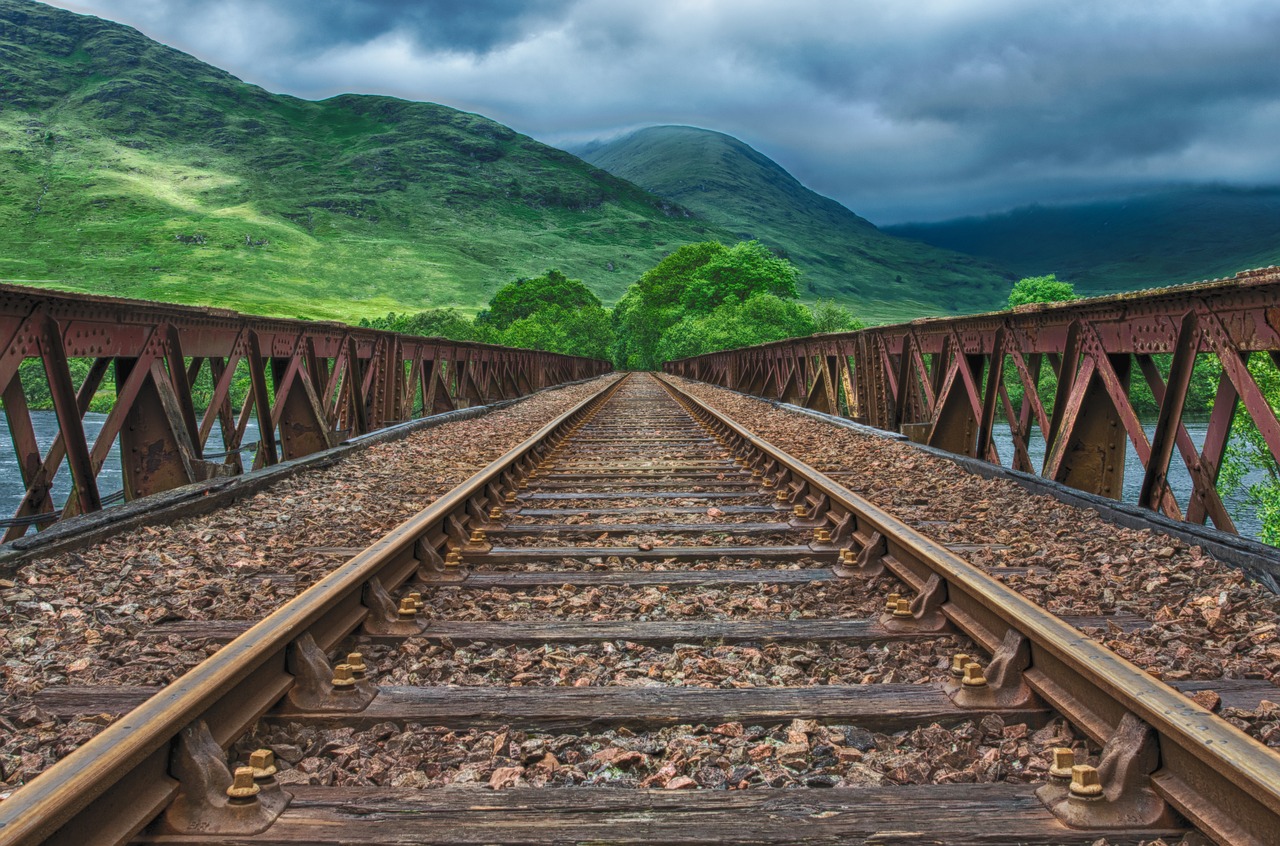
Cancun Train Schedule – Maya Train Routes, Sectors and Booking Info
Are you seeking information on Cancun train schedule for the Maya trains with Cancun as hub? Here you go.
Cancun, a city synonymous with stunning beaches, vibrant nightlife, and rich cultural heritage, is also becoming a focal point for innovative transportation solutions in Mexico.
One of the most anticipated projects in this realm is the Cancun Train, a part of the broader Maya Train initiative, which aims to transform the way locals and tourists travel across the Yucatan Peninsula.
This article delves into the current status, expectations, and future implications of the Cancun Maya Train schedule, offering travelers and enthusiasts alike a comprehensive overview.
The Vision of the Cancun Train
The Cancun Train is envisioned as a cornerstone of the Maya Train project, which seeks to connect major destinations across the Yucatan Peninsula, including cultural sites, beach resorts, and archaeological wonders.
This ambitious rail project is designed not only to enhance tourism but also to stimulate economic development in less-visited areas and improve the connectivity of the region’s transportation network.
The Route and Connections
Spanning over 1,500 kilometers, the Maya Train route is planned to include up to 20 stations, with Cancun being a critical hub.
From Cancun, the train will travel to destinations such as Playa del Carmen, Tulum, and further south to Bacalar, eventually looping around the peninsula to connect with sites like Calakmul and Palenque, before heading back through cities like Merida and Valladolid.
The Cancun Train is expected to serve both high-speed and regular services, catering to the needs of tourists and locals.
High-speed services will primarily focus on connecting major tourist destinations, offering quick and efficient travel options. In contrast, regular services will provide essential connectivity for local communities, facilitating access to education, healthcare, and employment opportunities.
Maya Train: Cancun Segment Schedule and Routes
The Maya Train project is designed to circle the Yucatan Peninsula, connecting major tourist attractions, archaeological sites, and cities, with Cancun being one of the primary hubs in this extensive network.
Cancun to Tulum
- Frequency: Trains depart every hour from 6:00 AM to 11:00 PM, reflecting high demand for travel between these major tourist destinations.
- Stops include: Cancun, Puerto Morelos, Playa del Carmen, and Tulum.
- Travel Time: Approximately 1 hour and 30 minutes from Cancun to Tulum.
Cancun to Chichen Itza to Merida
- Frequency: This route operates with less frequency, with departures scheduled every two hours from 5:00 AM to 7:00 PM.
- Stops include: Cancun, Valladolid (near Chichen Itza), and Merida.
- Travel Time: About 3 to 4 hours to reach Merida, depending on the specific stop and connections.
Extended Routes and Connectivity
Beyond the Cancun-centric routes, the Maya Train project facilitates broader connectivity across the peninsula:
- Merida to Campeche to Calakmul: This route extends the connectivity to the western and southern parts of the peninsula, focusing on historical and cultural sites.
- Bacalar and the Southern Connection: Including stops in Bacalar, this route links the lagoon’s pristine waters with the rest of the peninsula.
Schedule and Timings
While the exact schedule for the Cancun Train has yet to be finalized, the project’s phased approach means that certain segments may become operational before others. Initial estimates suggest that trains could run from early morning until late at night, with frequencies adjusted based on demand and seasonality.
High-speed services might offer hourly departures during peak times, while regular services could operate with less frequency throughout the day.
The government and project planners are working diligently to ensure that the train schedule accommodates the needs of both tourists and local commuters. This includes considerations for connecting services, such as buses and shuttles, to ensure seamless travel experiences from train stations to final destinations.
Ticketing and Services
The Maya Train offers various classes of service, including standard and first-class options, catering to different budgets and preferences.
Ticketing is available through multiple channels, including online platforms, mobile apps, and station kiosks. Pricing varies based on the distance traveled and the class of service, with discounts available for residents, seniors, and students.
You can book your Maya train tickets online here.
Economic and Environmental Impact
The Cancun Train project is hailed for its potential to significantly boost the local economy by creating jobs, encouraging tourism, and promoting sustainable development.
By offering an alternative to road travel, the train aims to reduce traffic congestion, lower carbon emissions, and promote eco-friendly tourism practices. Additionally, the project is expected to foster greater social inclusion by improving access to essential services for remote communities.
Challenges and Controversies
Despite its many benefits, the Cancun Train project faces challenges, including environmental concerns, funding issues, and the need for careful integration with existing infrastructure.
Critics have raised questions about the impact on sensitive ecosystems and archaeological sites, emphasizing the importance of sustainable construction practices and thorough impact assessments.
Looking Forward
As the project progresses, the anticipation for the Cancun Train continues to grow. With a keen eye on sustainability, economic development, and social inclusion, the Cancun Train schedule represents more than just a timetable for travel; it symbolizes a step towards a more connected and prosperous future for the Yucatan Peninsula.
In conclusion, while the Cancun Train’s full operational details, including its exact schedule, are still in the works, the project’s vision is clear. It promises to redefine transportation within the region, offering a blend of speed, efficiency, and accessibility.
For tourists, it means an unprecedented opportunity to explore the rich tapestry of the Yucatan Peninsula. For locals, it represents a pathway to greater economic and social opportunities.
As the project moves from concept to reality, its success will depend on balancing development with sustainability, ensuring that the Cancun Train leaves a lasting positive impact on the region it aims to serve.

![Cancun Airport to Mahahual – [Best & Cheapest Way to Travel in 2025]](https://cancuntravelblog.com/wp-content/uploads/2024/05/mahahual-8569657_1280-768x576.jpg)


![Cancun Airport to Chiquila [Best & Cheapest Options]](https://cancuntravelblog.com/wp-content/uploads/2024/03/island-1285147_1280-768x509.jpg)