Eco Disaster Looms: Half a Million Tons of Sargassum to Hit Mexican Caribbean
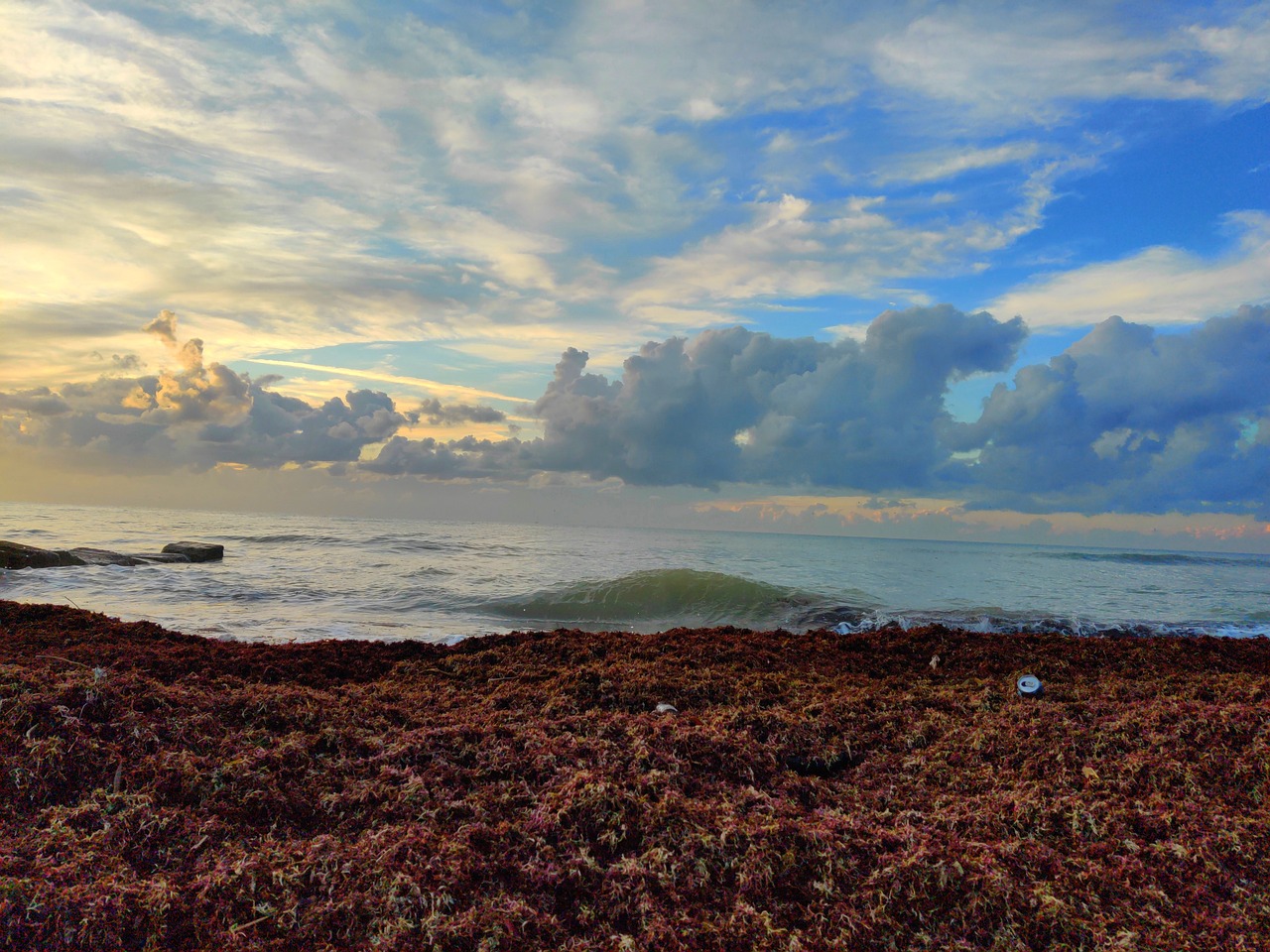
The Mexican Caribbean is on high alert as a massive wave of sargassum seaweed, estimated to exceed half a million tons, approaches its shores. This influx, currently detected 100 kilometers east of Honduras’ Guanaja and Roatán islands, is expected to reach Quintana Roo within two weeks.
The Observatory warns that the seaweed, which can double in biomass in under 20 days, poses significant environmental risks.
When decomposed, sargassum depletes oxygen levels in the water, creating anoxic conditions and releasing toxic gases like hydrogen sulfide and methane. These conditions can lead to mass marine life die-offs and pose health hazards to humans.
Tracking by the University of South Florida’s Optical Oceanography Lab reveals substantial accumulations already affecting the region, prompting Quintana Roo to raise its sargassum alert level from yellow to orange. The Mexican Navy predicts that the seaweed coverage could amount to over 7,000 tons, severely impacting the northern coastline of Quintana Roo.
The arrival of such a large quantity of sargassum threatens to disrupt local ecosystems, marine life, and the tourism industry, a crucial economic driver for the region. Authorities and environmental groups are preparing for extensive cleanup and mitigation efforts to address the impending crisis.
As the situation unfolds, both locals and tourists are urged to stay informed and follow guidance from local authorities to minimize health and environmental impacts.