Staying Safe from Dengue in Cancun: A No-Panic Traveler’s Guide
Imagine sitting on your resort balcony in Cancun —watching the sun set over the tranquil Nichupté Lagoon.
The air is warm and humid, and then you feel the familiar itch: a mosquito bite. It’s enough to bring dengue fever worries rushing back. But rest easy—this guide replaces fear with facts and gives you sensible, grounded steps for staying safe during your tropical getaway.
The Real Risk: Dengue Is Present—but Risk Is Low with Smart Precautions
Dengue is endemic to Cancun and the broader Yucatán Peninsula, meaning the virus circulates there year-round. According to U.S. health authorities, Mexico falls under a Level 1 Travel Health Advisory for dengue, which implies travellers should simply practice usual precautions, such as preventing mosquito bites—but it’s not cause for alarm.
Recent data indicate that dengue transmission remains dangerously high in 2025, with a notable surge in dengue activity across endemic regions and an uptick in cases among travelers.
In early 2025, Mexico reported over 10,000 suspected dengue cases, while tragically, at least 38 deaths were attributed to the disease. Yet, compared to the tens of millions of visitors Cancun sees annually, the actual likelihood of a traveler catching dengue—especially within resort areas—is still low.
When Is Dengue Risk Highest?
Cancun’s peak mosquito season aligns with its rainy, hot months—from June to October—when humidity, rain, and standing water create perfect conditions for Aedes mosquitoes to breed. In contrast, from November to April, the dry season brings cooler temperatures and less rainfall, significantly lowering mosquito activity, though not eliminating it entirely.
Notably, dengue is nonseasonal at the national or regional level—Mexico experiences year-round transmission—but the local risk in Cancún is certainly heightened during rainy months.
How to Prevent Mosquito Bites and Stay Safe

Here’s your simple but effective prevention guide—
-
Use the Right Repellent
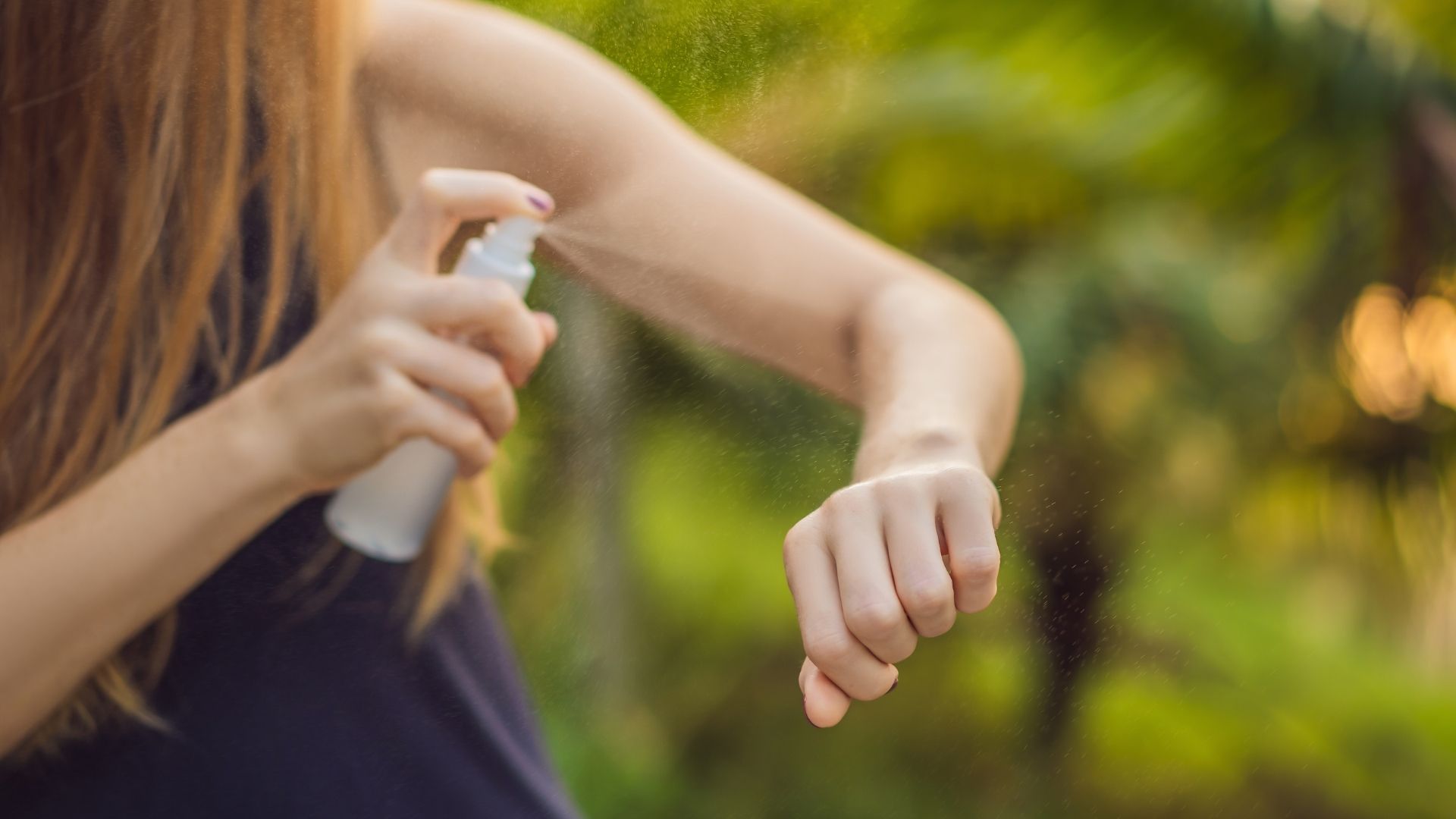
Choose EPA-registered insect repellents containing DEET (20–30%) or Picaridin, and apply generously to all exposed skin—especially during dawn and dusk when mosquitoes are most active. -
Cover Up on Excursions
If you’re exploring outside of your resort—like jungle ruins or cenotes—wear lightweight long sleeves and pants. They act as a physical barrier against bites. -
Stay Cool (and Bug-Free) in A/C
Mosquitoes are repelled by cold, dry air. Keeping your rooms air-conditioned, with doors and windows closed or screened, helps keep them out. -
Resort-Level Pest Control
Resorts in Cancún generally maintain robust fumigation and groundskeeping to reduce local mosquito populations, forming a protective “bubble” for guests. -
Reduce Local Breeding Grounds
In your accommodation—or if staying in less-managed areas—eliminate standing water (e.g., in buckets, pots, drains). Installing window/door screens or using permethrin-treated nets also helps.
What If Symptoms Appear?
Though unlikely, if you do experience:
-
High fever,
-
Severe headache (especially behind the eyes),
-
Muscle or joint pain,
…it’s time to seek medical attention promptly. Dengue can mimic the flu, but if symptoms escalate—such as abdominal pain, bleeding, or breathing trouble—don’t wait. Cancun resorts often have doctors on call or can refer you to reputable clinics like Hospiten.
Keeping Perspective: Dengue Shouldn’t Dim Your Vacation
While 2025 brings higher-than-usual dengue activity across Mexico and the Americas, for well-prepared travelers staying in managed accommodations, the actual risk remains low. Simple precautions—like a good repellent, covering up when needed, and using air conditioning—enable you to focus on the real reasons you’re in Cancun: relaxing beaches, cultural adventures, and tropical sunsets.

![Cancun Weather in July [2025 Guide]](https://cancuntravelblog.com/wp-content/uploads/2024/04/summer-3106910_1280-768x432.jpg)