Stop Overpaying in Cancun—These Tricks Save You Thousands
Cancun has a reputation: turquoise water, white sand, all-inclusive luxury—and quietly draining your wallet faster than you expected. The truth is, most travelers don’t overspend because Cancun is expensive. They overspend because they follow the default path. Resorts, airlines, booking platforms, and even local vendors are all optimized to nudge you into paying more.
If you know where those traps are, Cancun suddenly becomes a destination where you can experience luxury for a fraction of the cost. Here’s how to flip the system in your favor.

The first mistake happens before you even land. Most people book flights the “normal” way—search once, pick something convenient, and pay. That’s exactly what pricing algorithms count on. Flight prices to Cancun fluctuate aggressively based on demand signals, search behavior, and even your location. If you search repeatedly on the same device, prices can creep up. Instead, search in incognito mode, compare multiple platforms, and—this is key—check nearby departure cities. A short domestic flight to a major hub can sometimes unlock dramatically cheaper international fares.
Timing also matters more than people think. Cancun has peak pricing windows that go far beyond just holidays. Late December to early April is high season, and prices skyrocket. But the sweet spot? Late April to early June, and again from September to early November. You’ll get near-perfect weather, fewer crowds, and hotel rates that can drop by 30 to 50 percent.
Speaking of hotels, this is where most travelers unknowingly burn money. All-inclusive resorts look like a good deal upfront, but they’re designed to keep you spending inside the property. Premium restaurants, better alcohol, spa access, and even certain beach areas often come with hidden upgrades. If you’re the kind of traveler who wants to explore, eat outside, or experience local culture, you’re paying for things you won’t use.

A smarter move is to split your stay. Book a few nights in an all-inclusive if you want the experience, then switch to a boutique hotel or Airbnb in downtown Cancun. The area known as El Centro offers far more affordable stays and access to authentic food at a fraction of hotel-zone prices. You’ll not only save money—you’ll get a more interesting trip.
Another major overpay trap is airport transportation. When you land, you’ll be hit with a wave of offers—private transfers, luxury SUVs, “exclusive” shuttles. These can cost absurd amounts for a relatively short ride. Instead, pre-book a shared shuttle online or use authorized taxi stands with fixed rates. Even better, if you’re comfortable navigating a bit, the ADO bus is clean, reliable, and incredibly cheap compared to private transfers.
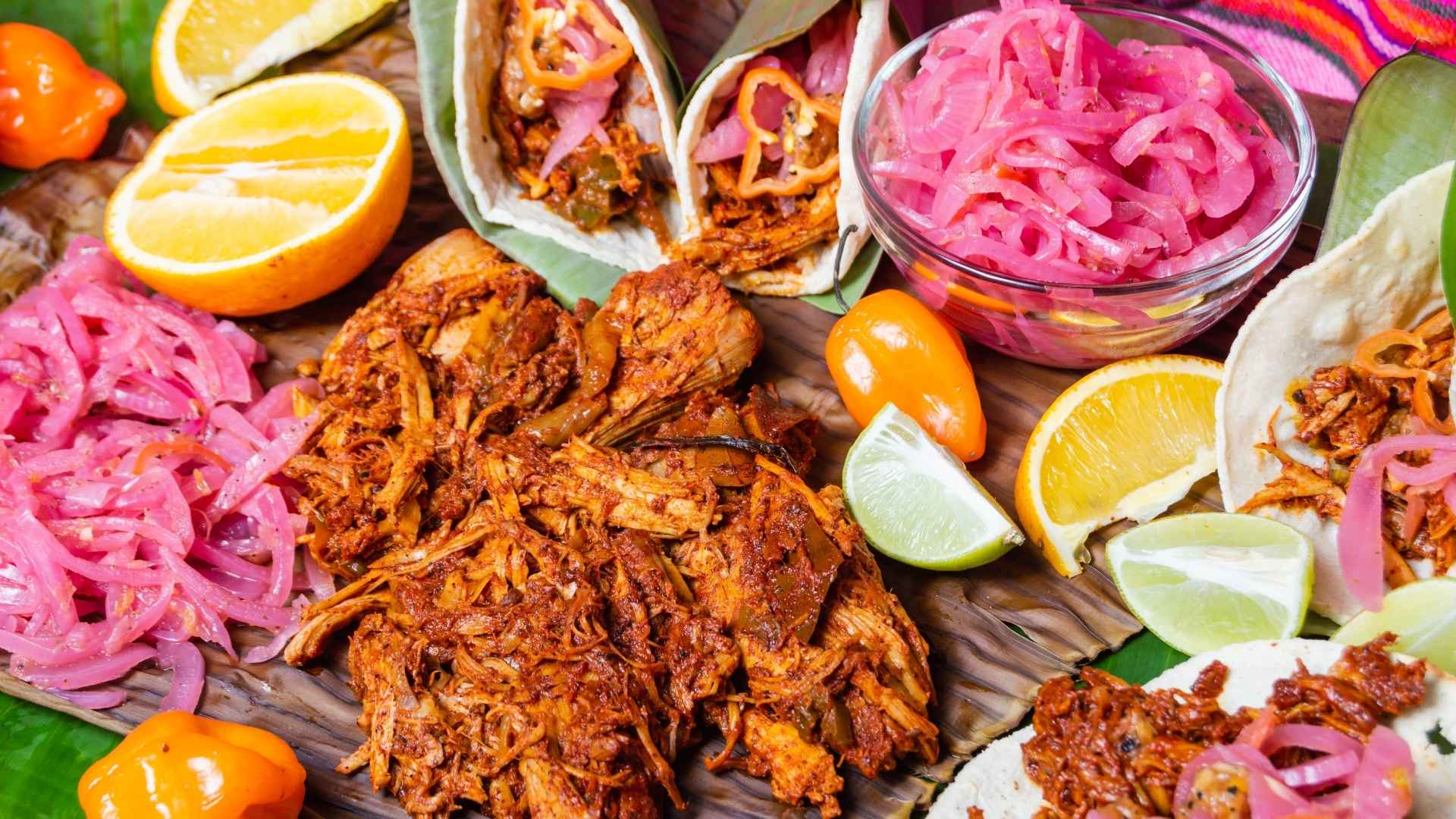
Food is another area where costs spiral quickly, especially in the Hotel Zone. Beachfront restaurants often charge inflated prices for average meals because of location alone. A cocktail that costs a few dollars elsewhere suddenly costs three times more. Venture just 10–15 minutes away from the tourist strip and everything changes. Local taquerias, seafood spots, and family-run restaurants serve better, fresher food at a fraction of the cost.
One trick seasoned travelers use is eating your main meals outside tourist zones and returning to scenic areas just for drinks or views. You still get the aesthetic without paying premium prices for every bite.
Activities and excursions are another hidden money pit. Booking through your hotel is convenient—but convenience comes at a premium. The same snorkeling trip, cenote tour, or Chichen Itza excursion can be 20 to 40 percent cheaper when booked through local operators or online platforms in advance. Hotels often add hefty commissions.
Even better, skip packaged tours when possible. Many of Cancun’s best experiences don’t require a guide at all. Public beaches like Playa Delfines are free and stunning. Local colectivos (shared vans) can take you to nearby spots for a few dollars. Renting a car for a day and exploring cenotes independently can cost less than a single organized tour.
Currency is another silent wallet killer. Many places in Cancun accept US dollars, but the exchange rates offered are rarely in your favor. Paying in pesos almost always gets you a better deal. Use ATMs to withdraw local currency, but avoid airport machines or standalone ATMs with high fees. Choose bank-affiliated machines and decline currency conversion when prompted—this ensures you get your bank’s better exchange rate.
Shopping is where emotions take over and budgets disappear. Markets and beach vendors are part of the Cancun experience, but prices are rarely fixed. Negotiation is expected. If you don’t bargain, you’re almost guaranteed to overpay. Start low, stay friendly, and be willing to walk away. Often, you’ll be called back with a better price.
But there’s a deeper trick here: don’t shop in the first place you see something. Prices vary wildly between stalls. Walk around, get a sense of the range, then return to the best option.
Another overlooked cost is data and connectivity. International roaming charges can quietly add up. Instead, buy a local SIM card or use an eSIM before you arrive. It’s a small move that can save you a surprising amount over a week-long trip.
Then there’s the “resort upsell ecosystem.” This is where Cancun really tests your awareness. From the moment you check in, you’ll be offered upgrades—better rooms, exclusive lounges, VIP experiences. Some are worth it, but many are cleverly packaged to feel essential when they’re not.
The rule here is simple: don’t decide on upgrades in the moment. Take time to evaluate whether you’ll actually use them. A beachfront upgrade sounds amazing—until you realize you’re out exploring most of the day.
Spa treatments are another classic upsell. Resorts often charge premium prices for massages and treatments that are significantly cheaper outside. Local spas and wellness centers offer comparable or better services at half the cost.
Nightlife is another area where overspending happens fast. Cancun is famous for its clubs, but cover charges, drink prices, and table service can add up quickly. Instead of committing to one expensive venue, consider bar-hopping or pre-drinking before heading out. Some clubs also offer discounted entry if you arrive early or book in advance.
Even something as simple as water can become a daily expense if you’re not careful. Buying bottled water repeatedly from hotel shops is expensive. Pick up larger bottles from local stores or supermarkets—it’s a small change that adds up over time.
Tipping culture in Cancun is another nuance. While tips are appreciated, especially in the service industry, some places include service charges automatically. Double tipping is a common mistake. Always check your bill before adding extra.
One of the biggest mindset shifts that saves money in Cancun is this: convenience costs more here than almost anywhere else. The easier something is to access, the more you’re paying for it. A five-minute walk, a short bus ride, or a bit of planning can cut your costs dramatically.
And finally, the biggest trick of all isn’t a hack—it’s awareness. Cancun is built for tourism, which means it’s also built for upselling. Once you recognize that, every decision becomes clearer. You start asking: do I actually need this, or is this just the easiest option being presented to me?
Because the reality is, Cancun can be as expensive or as affordable as you make it. You can spend thousands without realizing it—or you can experience the same beaches, food, and culture for a fraction of the price.
The difference isn’t luck. It’s knowing where the money leaks are—and closing them before they drain your trip budget.
If you play it right, Cancun stops being a place where tourists get overcharged and starts becoming one of the best-value tropical destinations you can visit.

![A Culinary Journey: The Best Foods in Cancun – [Must Try for First Time Travelers]](https://cancuntravelblog.com/wp-content/uploads/2024/06/cancundrinking-768x576.jpg)