The Mexican Greeting Tradition That Makes Americans Super Uncomfortable
Cultural differences show up most vividly in the smallest of everyday moments—like how people say hello. For Americans traveling to Mexico, one of the most surprising (and sometimes awkward) cultural shocks isn’t the spicy food, the late-night fiestas, or even the love of fútbol. It’s something much simpler: the Mexican greeting tradition.
In Mexico, greetings are warm, physical, and deeply personal. A handshake often isn’t enough. Instead, it’s common to greet with a hug or a kiss on the cheek—yes, even between acquaintances. For Americans, who often prefer a little more personal space, this tradition can feel overwhelming, confusing, or even “too intimate.” But for Mexicans, it’s just a natural way of showing respect, affection, and social connection.
Let’s dive into why this greeting ritual is such a big deal in Mexico, why it makes many Americans squirm, and what travelers should know to avoid any awkward faux pas.
Why Greetings Matter So Much in Mexico
In Mexican culture, greetings aren’t just polite formalities—they’re acts of warmth and respect. The way you greet someone sets the tone for the entire interaction. Ignoring a greeting, or giving a rushed and distant one, can come across as rude or cold.
Some key elements of Mexican greetings include:
-
The handshake: Common in business or formal settings, but usually paired with other gestures.
-
The abrazo (hug): Friends and relatives will often greet each other with a hug, regardless of gender.
-
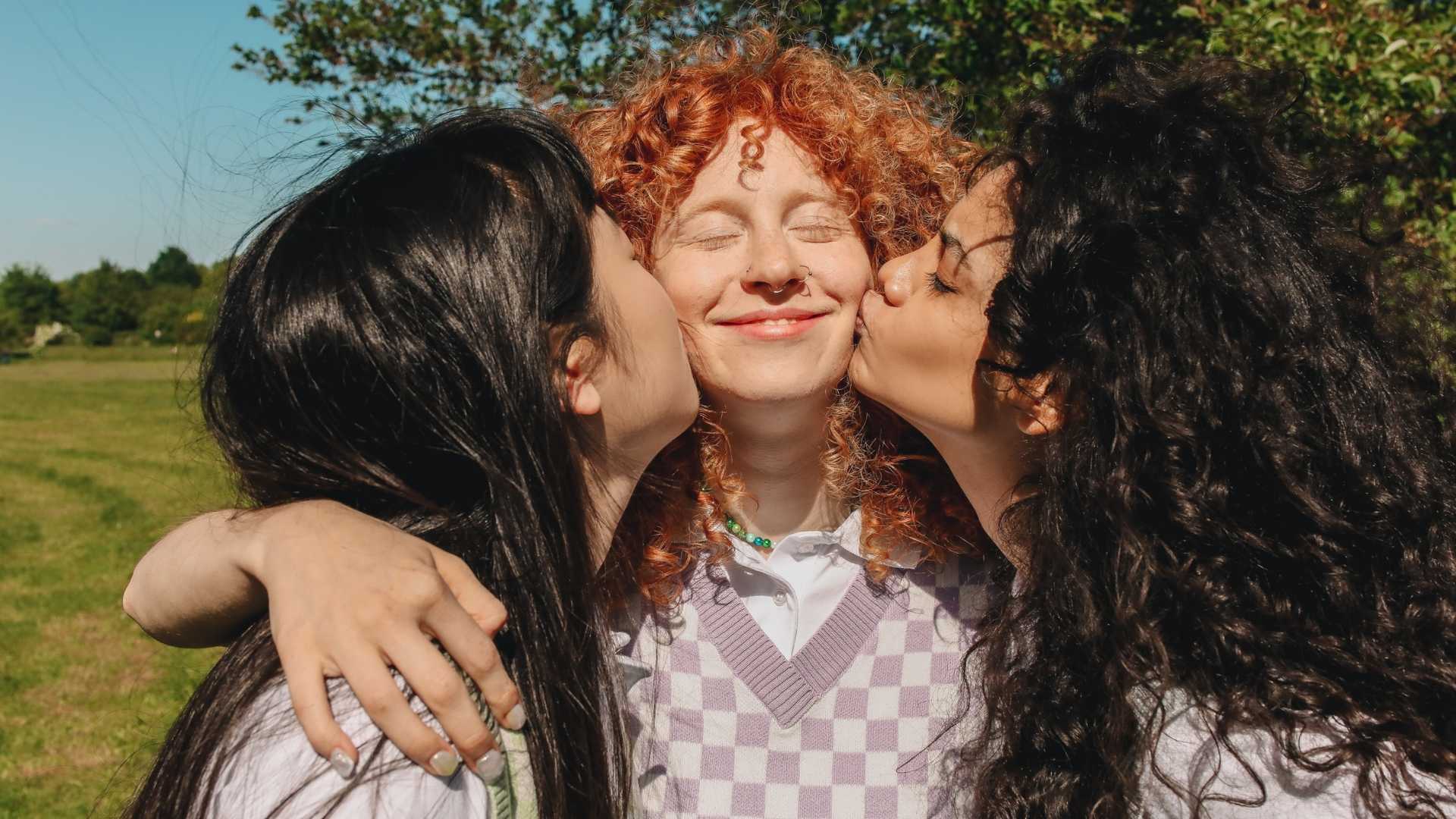
The cheek kiss (beso en la mejilla): A light kiss on the cheek (usually just touching cheeks with a kissing sound) is common between women, and between men and women. Men usually just shake hands with each other unless they are very close friends or family.
-
Verbal warmth: Greetings are often extended with phrases like “¿Cómo estás?” (“How are you?”) or “¡Qué gusto verte!” (“So good to see you!”).
Skipping these gestures or keeping things “too businesslike” may unintentionally signal disinterest.
Why This Tradition Makes Americans Uncomfortable
Americans, on the other hand, tend to value personal space and boundaries more strongly in social interactions. For many, a handshake—or even just a verbal “Hi”—feels sufficient. Hugging and kissing acquaintances is far less common in mainstream American culture, where those gestures are often reserved for close family or romantic partners.
Here are some reasons why Americans might find the Mexican greeting tradition awkward:
-
Different comfort zones with physical touch – Americans often see hugging or kissing as too intimate unless you’re very close to someone.
-
Fear of “crossing a line” – Many Americans worry about consent or offending someone by assuming physical gestures are okay.
-
Regional culture shock – In the U.S., even greetings vary. People in the South might be warmer and huggy, while those in the Northeast or Midwest can be more reserved.
-
COVID hangover – After the pandemic, many Americans became even more cautious about physical greetings, while Mexico quickly returned to its traditional ways.
So when an American meets a Mexican host and suddenly finds a kiss coming their way, the instinct might be to step back, freeze, or awkwardly offer a stiff handshake—making the moment even more noticeable.
The Meaning Behind the Greeting
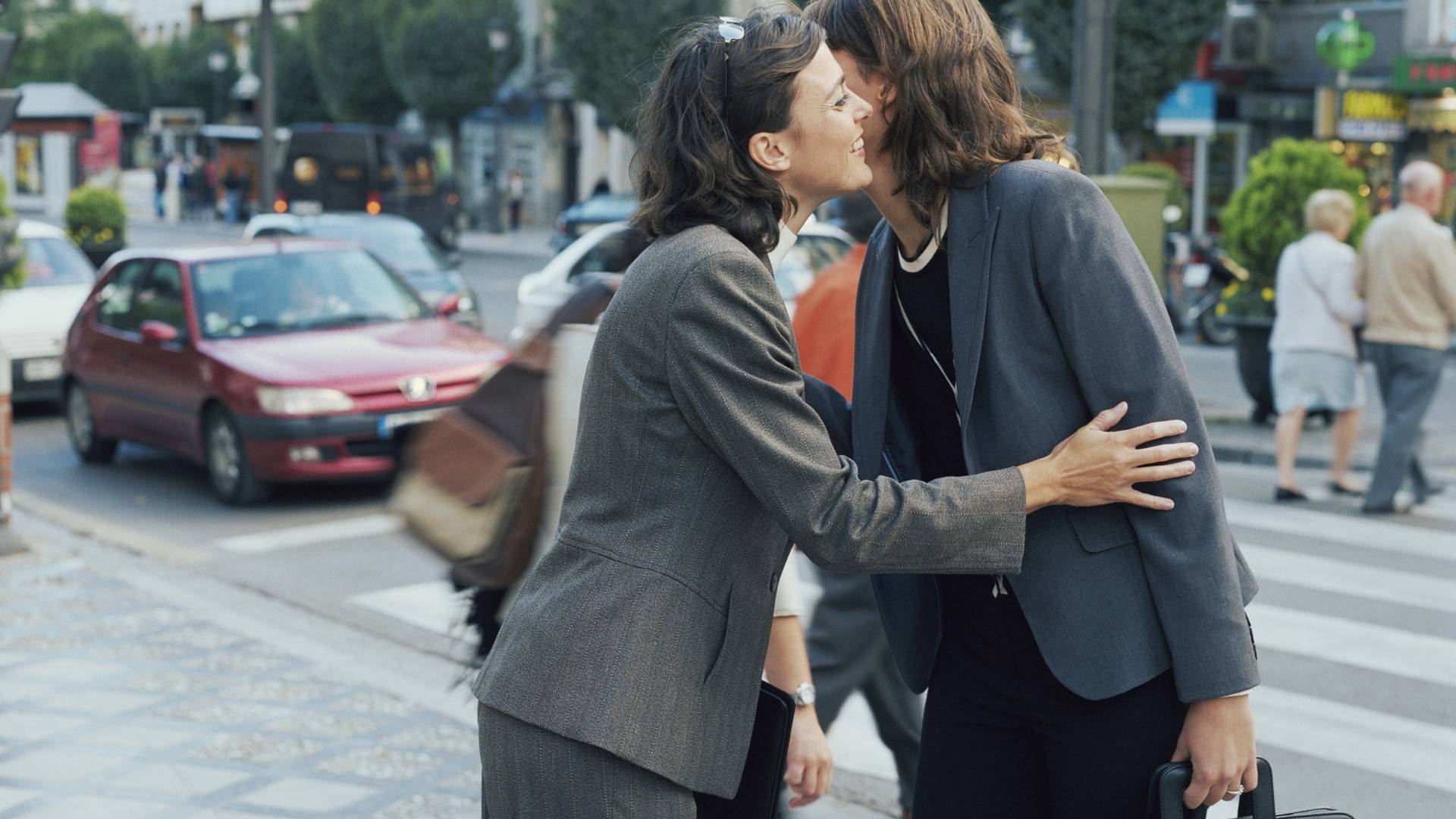
To understand this difference, it helps to see why Mexicans greet this way. It’s not about invading personal space; it’s about creating social bonds.
-
Warmth & hospitality: Mexicans are famously welcoming, and greetings are an extension of that warmth.
-
Community over individuality: In Mexican culture, relationships and community ties are central, so greetings reinforce social closeness.
-
Respect: Taking the time to physically acknowledge someone shows they are valued.
Where Americans may prioritize efficiency (“Let’s get down to business”), Mexicans emphasize connection (“Let’s connect as people first”).
Real-Life Scenarios: The Greeting Gap
To picture the cultural clash, imagine these everyday situations:
-
At a party: An American guest walks in and waves hello to the group. The Mexican host expects them to go around the room, greeting each person individually with a hug or kiss. The wave feels dismissive.
-
In business: An American businessman extends a firm handshake, while the Mexican counterpart leans in for an abrazo. The American stiffens, creating awkward tension.
-
Among friends of friends: An American meeting their friend’s cousin may expect just a polite nod. Instead, they’re suddenly receiving a cheek kiss from a near stranger.
For Mexicans, this is totally normal. For Americans, it can feel like their “personal bubble” just popped.
How Americans Can Adapt (Without Feeling Weird)
If you’re American and planning a trip to Mexico—or meeting Mexican colleagues, friends, or family—here are some tips:
-
Follow their lead: If someone leans in for a cheek kiss or hug, go with it. It’s quick and light, not as intimate as it feels.
-
Don’t overthink it: Remember, it’s a cultural norm, not a romantic gesture.
-
Practice the cheek kiss: Usually, it’s just touching cheeks and making a small kissing sound. No actual lip-to-skin contact required.
-
Use greetings generously: Don’t just wave—take the time to say hello to each person individually. It shows respect.
-
Smile: Even if you’re unsure, a warm smile goes a long way.
What Mexicans Think of American Greetings
From the Mexican perspective, American greetings can feel cold, rushed, or impersonal. A simple “Hi” shouted from across the room may seem dismissive. The lack of physical warmth sometimes gets interpreted as distance or aloofness.
That said, most Mexicans understand cultural differences and won’t take offense if an American seems shy. They might even find it a little amusing. Still, making an effort to adapt to the local custom is often appreciated and seen as a sign of cultural respect.
Final Thoughts
The Mexican greeting tradition might make Americans uncomfortable at first, but once you understand the meaning behind it, it becomes easier to embrace. What feels “too close” in the U.S. is simply an expression of warmth and connection in Mexico.
In the end, greetings are about more than physical gestures—they’re about building trust, friendship, and respect. For Americans, stepping outside the comfort zone and leaning in (literally) can open the door to deeper cultural experiences.
So next time you’re in Mexico and someone leans in for that cheek kiss, don’t panic. Smile, go with it, and remember—you’re not just saying hello. You’re joining in on a centuries-old tradition of hospitality that defines Mexican culture.