Everyone Thinks Cancun Is Just Party Resorts — Here’s What Locals Actually Do on Weekends
Cancun suffers from an identity problem.
For most visitors, it exists as a narrow strip of all-inclusive resorts, beach clubs, and neon-lit nightlife. It’s a destination people consume rather than experience. Ask someone what Cancun is like, and you’ll hear the same words repeated: spring break, tequila, resorts, parties.
But that version of Cancun isn’t where locals spend their weekends.
Step outside the hotel zone, and a very different rhythm takes over—one that has nothing to do with wristbands, buffet schedules, or swim-up bars. For the people who actually live here, weekends are slower, warmer, more communal, and deeply rooted in food, family, and the outdoors.
If you really want to understand Cancun, you have to stop asking where tourists go—and start asking how locals live.
Weekends Start Early, Not Late
Locals don’t wait for sunset to start their weekend.
Saturday mornings in Cancun begin early, especially because the heat builds quickly. Families run errands before noon, friends meet for breakfast rather than brunch, and markets come alive while tourists are still asleep behind blackout curtains.
Breakfast isn’t rushed. It’s often eaten outside, with fresh juices, strong coffee, and familiar dishes that rarely appear on resort menus. This is when neighborhoods feel most alive—kids playing, vendors setting up, people greeting each other by name.
The party version of Cancun wakes up at noon. The local version has already lived half a day.
Markets Over Malls (Most of the Time)

While Cancun does have shiny malls and international brands, locals still rely heavily on markets for their weekend routines.
Neighborhood markets are where people shop for fresh produce, tortillas, spices, seafood, and ready-to-eat food. These aren’t tourist attractions—they’re practical, social spaces. You don’t browse quietly. You talk. You ask questions. You taste before you buy.
For many locals, a Saturday market visit isn’t just about groceries. It’s about catching up, sharing recommendations, and deciding what the family meal will be later that day.
Food here isn’t planned days in advance. It’s decided based on what looks good right now.
Long, Unhurried Family Meals
If there’s one thing locals protect on weekends, it’s family time.
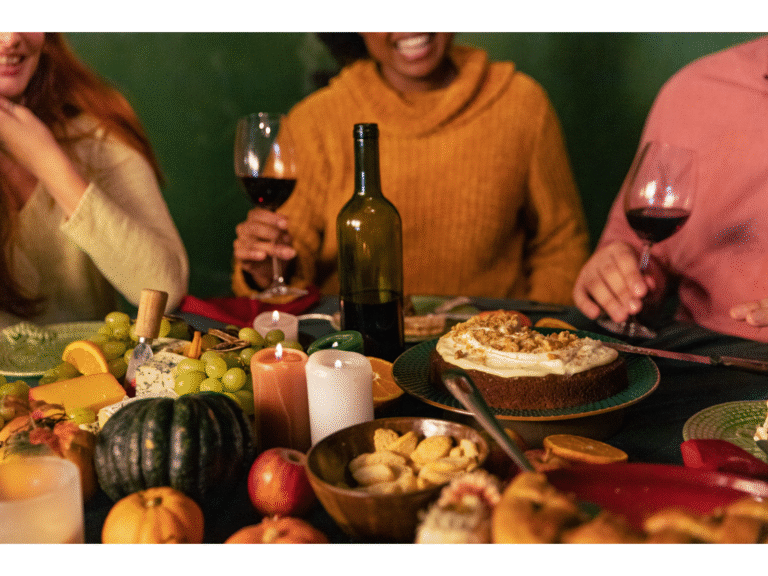
Lunch is the anchor of the day. Families gather at home or at simple neighborhood restaurants, often ordering dishes meant to be shared. Meals stretch longer than expected, conversations wander, and nobody is checking the clock.
This is where Cancun feels most different from its tourist image. There’s no rush. No playlist blasting. No one trying to “optimize” the experience.
It’s about being together, eating well, and letting the day unfold naturally.
The Beach—But Not the One You’re Thinking Of

Yes, locals go to the beach. But rarely the beaches most tourists recognize.
Instead of the hotel zone, locals favor quieter public beaches or less commercial stretches of coastline. These visits are practical, not performative. Coolers, homemade food, shade tents, and portable speakers are common.
Beach time is about escaping the heat, letting kids run free, and spending the entire afternoon by the water—not posing, not posting, not hopping from bar to bar.
The ocean isn’t a backdrop here. It’s part of daily life.
Cenotes, Not Clubs
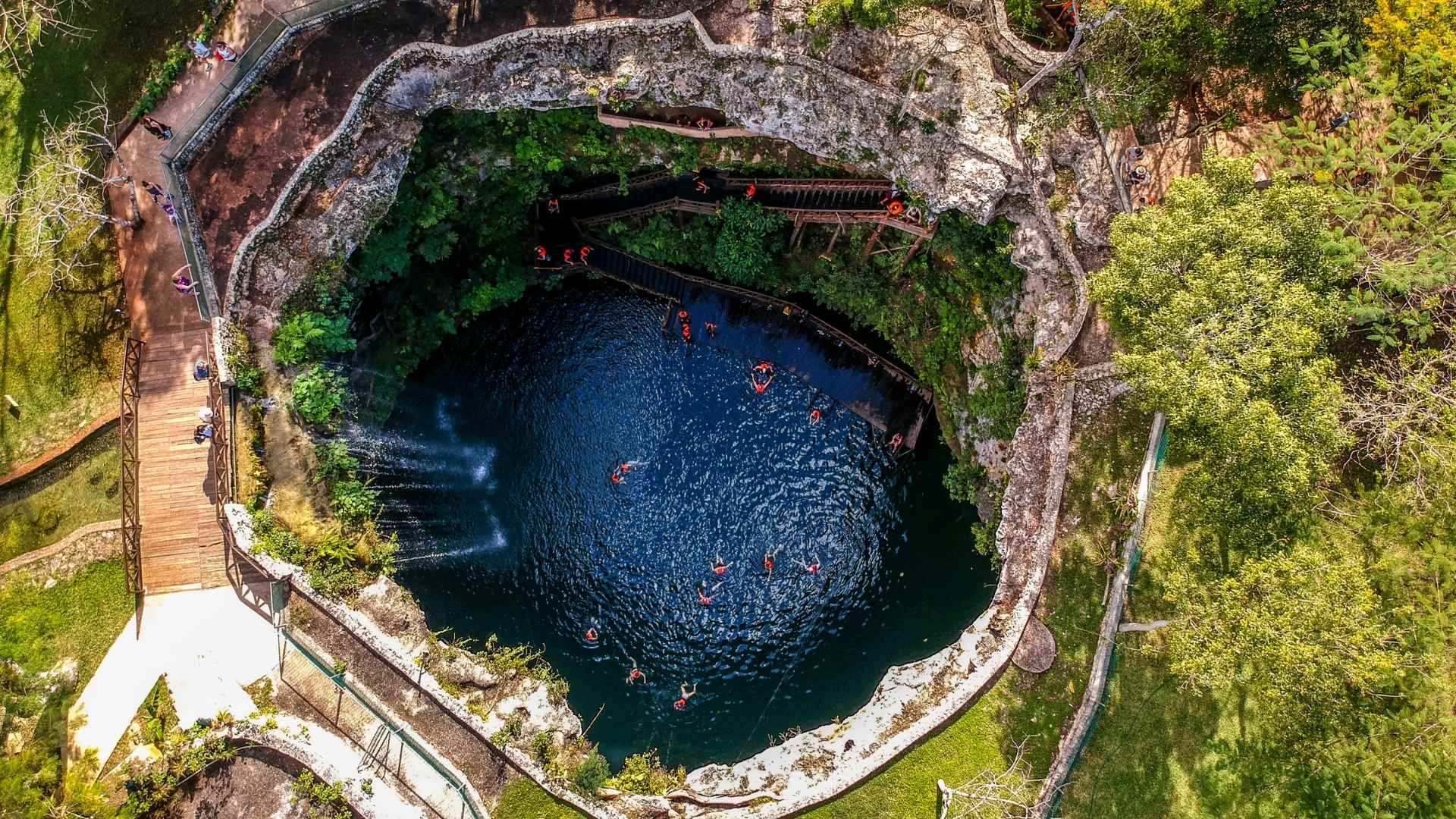
When locals want a real escape, they don’t head to nightclubs—they head inland.
Cenotes, natural freshwater sinkholes unique to the Yucatán Peninsula, are a favorite weekend destination. Locals visit them early, often in groups, bringing snacks and spending hours swimming, floating, and cooling off.
These trips are social and restorative, not adrenaline-fueled. There’s laughter, quiet moments, and an unspoken understanding that nature doesn’t need to be “improved” with music or cocktails.
For many locals, this is the ultimate weekend reset.
Evenings Are for Simple Pleasures
As the sun sets, weekends slow down again.
Evenings are often spent walking neighborhood streets, visiting small parks, or stopping for casual street food. Marquesitas, tacos, and elotes are popular—not because they’re trendy, but because they’re comforting and familiar.
You’ll see couples strolling, kids riding bikes, friends standing around food carts chatting. There’s music sometimes, but it’s background noise, not the main event.
This version of Cancun doesn’t try to impress anyone. It simply exists.
Sunday Is Sacred (and Quiet)
Sunday in Cancun has a different energy.
Shops open later. Streets are calmer. Many families attend church in the morning, followed by a long meal that often lasts into the afternoon. This is not a day for errands or ambition.
It’s a day for rest.
In the late afternoon, locals might gather in public spaces, sit outside with neighbors, or visit extended family. The pace is intentionally slow, as if everyone agrees to collectively lower expectations.
The idea of squeezing productivity into Sunday simply doesn’t apply.
Nightlife Exists—But It’s Not the Center
Of course, locals go out. Cancun has bars, live music, and nightlife beyond the hotel zone. But it’s not the defining feature of weekends.
When locals do go out, it’s often to familiar spots—places where staff know them, music feels intentional, and crowds aren’t chaotic. These nights are occasional, not routine.
The difference is simple: nightlife is a choice, not an identity.
What Tourists Miss About Cancun
The biggest misconception about Cancun is that it lacks depth.
In reality, depth exists—it’s just not packaged for visitors. It lives in routines, relationships, and traditions that don’t fit neatly into travel brochures.
Locals don’t experience Cancun as a destination. They experience it as home. And that changes everything—from how they eat, to how they rest, to how they spend their weekends.
If you only see Cancun through resorts and parties, you’re seeing the loudest version, not the truest one.
Seeing Cancun Differently
Understanding what locals do on weekends doesn’t mean tourists need to imitate them exactly. But it does invite a shift in mindset.
Instead of chasing “must-do” experiences, slow down. Wander neighborhoods. Eat where menus aren’t translated. Visit places that don’t advertise themselves.
Cancun rewards curiosity—but only if you’re willing to look past the obvious.
And once you do, the city stops being a party cliché and starts feeling like a place with a pulse, a past, and a very real present.
That’s the Cancun locals know. And it’s far more interesting than the one most people think they’re visiting.