I Ate My Way Through Cancun for 5 Days—These 7 Dishes Changed How I See Mexican Food
Cancun has a reputation problem.
Mention it, and most people immediately picture all-inclusive buffets, margaritas the size of swimming pools, and vaguely “Mexican” food designed to offend no one. I arrived half-expecting that too. What I didn’t expect was how completely wrong that assumption would be.
Over five days in Cancun, I made it a point to eat everywhere—from small family-run kitchens and beach shacks to local markets and understated neighborhood restaurants. No tasting menus, no influencer hotspots. Just food that people here actually eat.
By the end of the trip, I realized something uncomfortable: what many of us think of as Mexican food is a watered-down remix. The real thing—especially in the Yucatán—has its own identity, techniques, flavors, and history.
These seven dishes didn’t just taste good. They changed how I understand Mexican cuisine altogether.
1. Cochinita Pibil: The Dish That Explains the Yucatán
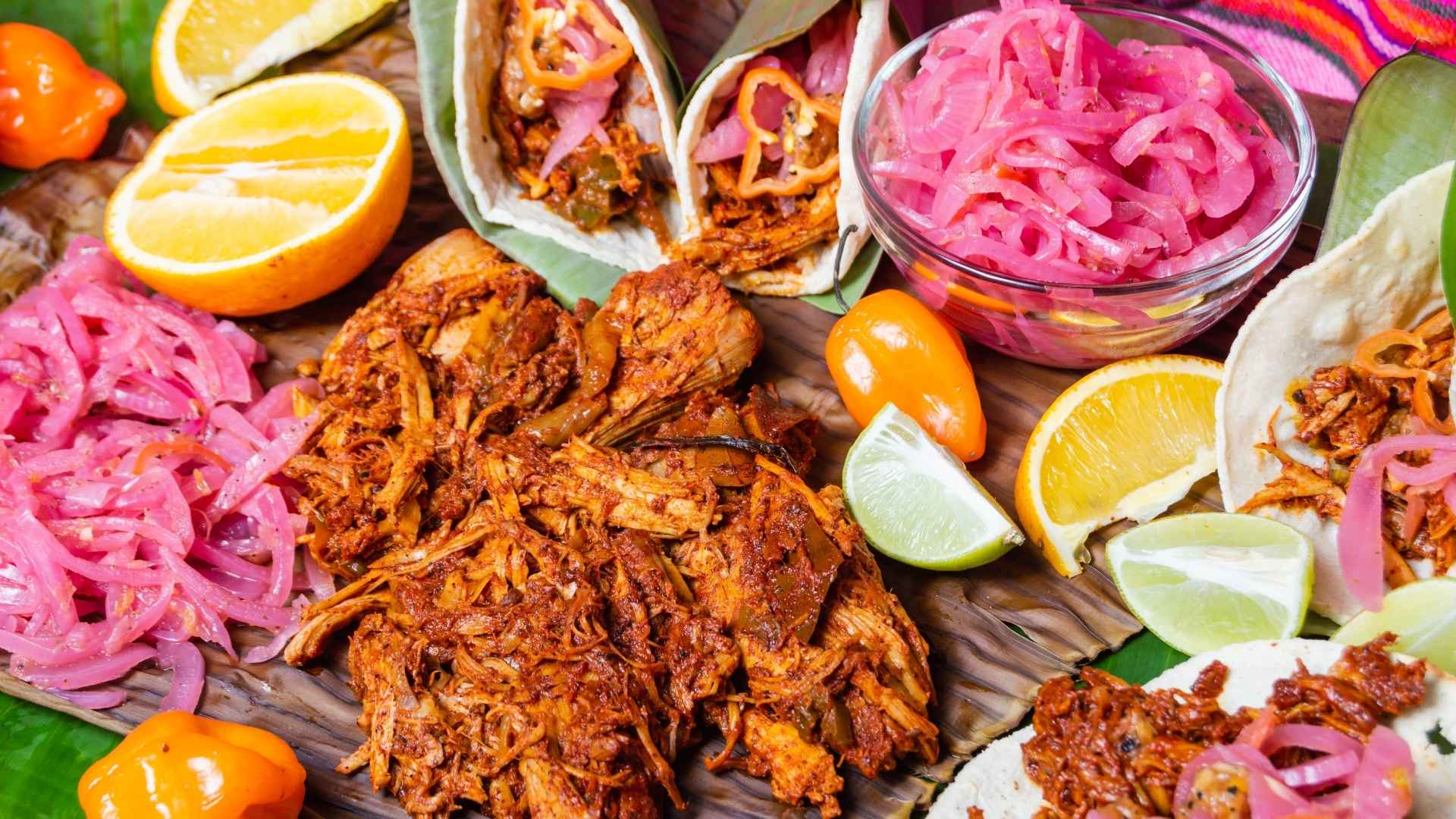
If Cancun has a soul dish, this is it.
Cochinita pibil is slow-roasted pork marinated in achiote paste and sour orange juice, traditionally wrapped in banana leaves and cooked underground. It arrives tender to the point of collapse, lightly smoky, deeply spiced, and nothing like the aggressive heat people expect from Mexican food.
What surprised me most was the balance. It’s rich but not heavy, earthy but bright, especially when paired with pickled red onions and fresh tortillas. Every bite feels intentional, not loud.
Eating cochinita pibil for the first time made me realize how regional Mexican food really is. This isn’t taco-truck Mexico. This is Mayan-influenced, time-honored cooking that has survived centuries.
Once you’ve tasted it, everything else feels like an imitation.
2. Tikin Xic: When Fish Tells a Story
I had this dish near the coast, grilled whole and served with almost ceremonial simplicity.
Tikin xic is a traditional Mayan fish preparation, marinated in achiote, sour orange, and spices, then grilled—often over charcoal. The result is smoky, citrusy, and clean. No heavy sauces. No distractions.
What struck me wasn’t just the flavor, but the respect for the ingredient. The fish remains the star. The seasoning exists only to elevate it.
This dish quietly challenges the stereotype that Mexican food is always heavy, cheesy, or overloaded. In the Yucatán, it can be restrained, coastal, and almost minimalist.
3. Panuchos and Salbutes: The Street Food Lesson
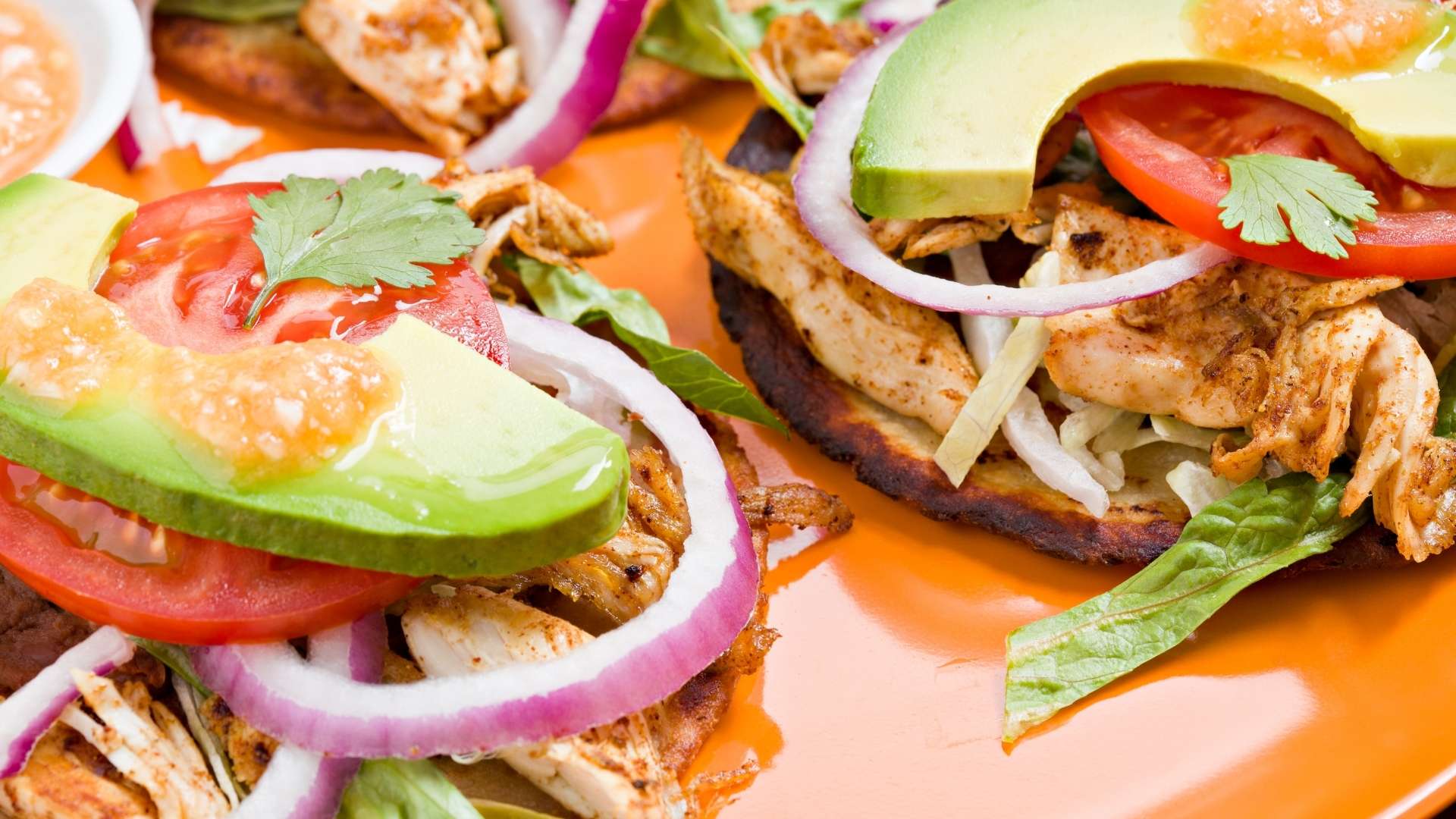
These two dishes look similar at first glance, but they taught me one of the most important lessons of the trip: Mexican street food is about technique, not shortcuts.
Panuchos are tortillas stuffed with refried black beans before being fried, then topped with shredded turkey or chicken, lettuce, onions, and avocado. Salbutes are puffed, airy tortillas, lighter and softer, topped similarly.
The difference is subtle but deliberate. One is crisp and hearty. The other is fluffy and indulgent. Locals know exactly when to choose which.
Eating them back-to-back made me realize how much nuance exists even in the most casual food here. This isn’t fast food. It’s fast craft.
4. Sopa de Lima: Comfort Food With Depth
This soup looks simple. It isn’t.
Sopa de lima is a clear chicken broth infused with lime, lightly spiced, and topped with shredded chicken and crispy tortilla strips. The aroma hits before the spoon does—citrusy, savory, comforting.
What makes it special is restraint. The lime doesn’t overpower. The broth doesn’t rely on fat. It’s deeply satisfying without being heavy, the kind of dish locals eat when they’re tired, sick, or just need something grounding.
It’s also a reminder that Mexican cuisine isn’t just about boldness—it’s about balance.
5. Marquesitas: The Street Dessert You Didn’t Know You Needed
I found marquesitas at night, sold from carts that draw quiet crowds after sunset.
They’re thin, crispy crepes rolled hot off the griddle, traditionally filled with Edam cheese and sometimes Nutella or dulce de leche. Sweet and salty, crunchy and gooey.
It sounds strange. It works perfectly.
Marquesitas are distinctly Yucatecan, and you won’t find them everywhere in Mexico. They feel local, nostalgic, and completely unpretentious.
This is the kind of food that doesn’t exist to impress tourists—it exists because people love it.
6. Relleno Negro: The Dish That Challenged Me
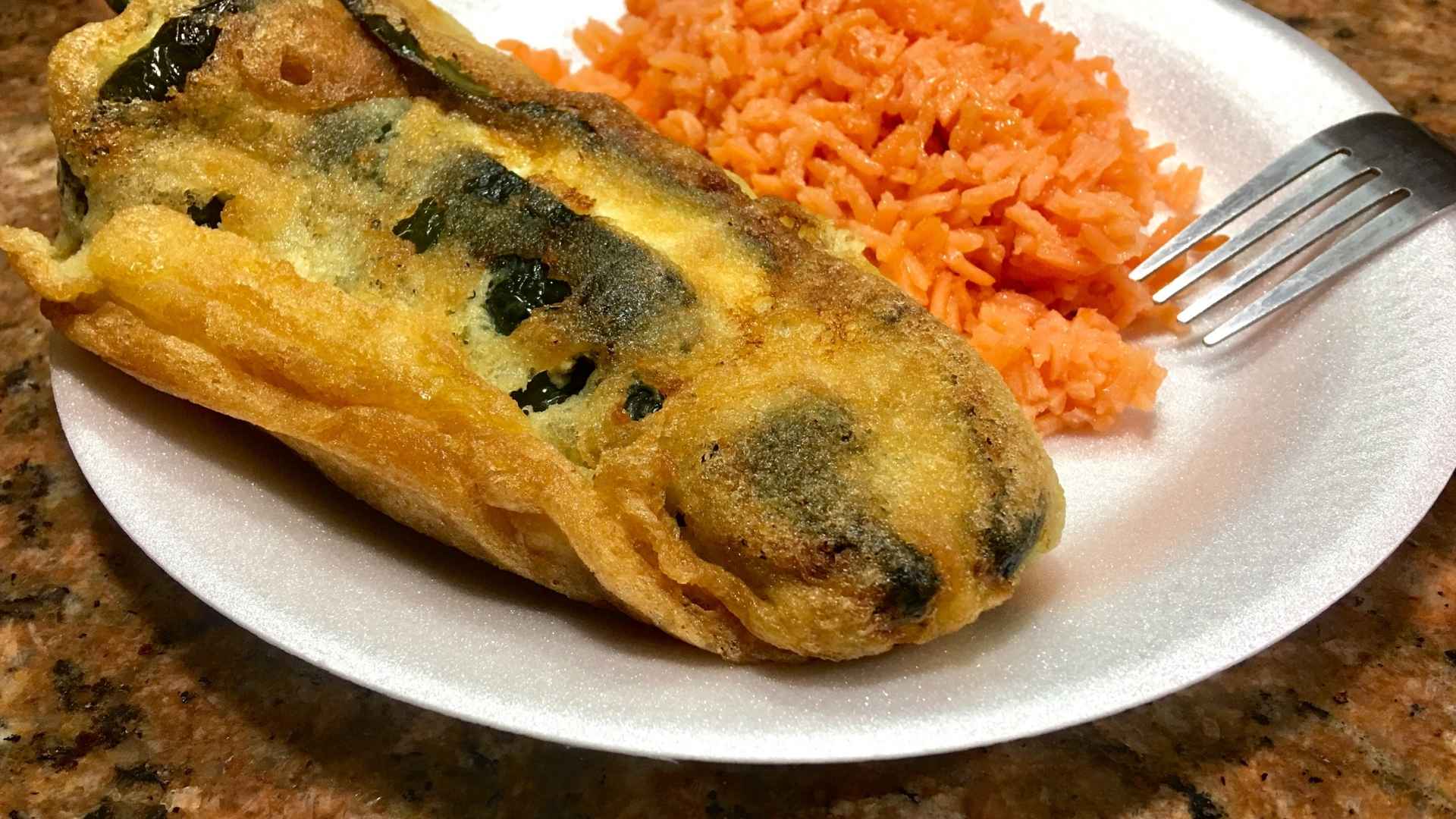
This was the most confronting dish of the trip—and the most educational.
Relleno negro is a dark, almost black stew made with turkey or chicken, thickened and flavored with roasted chilies and spices burned intentionally to create its signature color. The flavor is deep, smoky, and complex, not spicy in the way you expect.
It’s not instantly likable. It’s not supposed to be.
This dish taught me that Mexican food doesn’t aim to please first—it aims to preserve tradition. Relleno negro is ceremonial, historical, and unapologetically itself.
Trying it forced me to slow down and respect flavors I didn’t immediately understand.
7. Fresh Corn Tortillas: The Quiet Hero
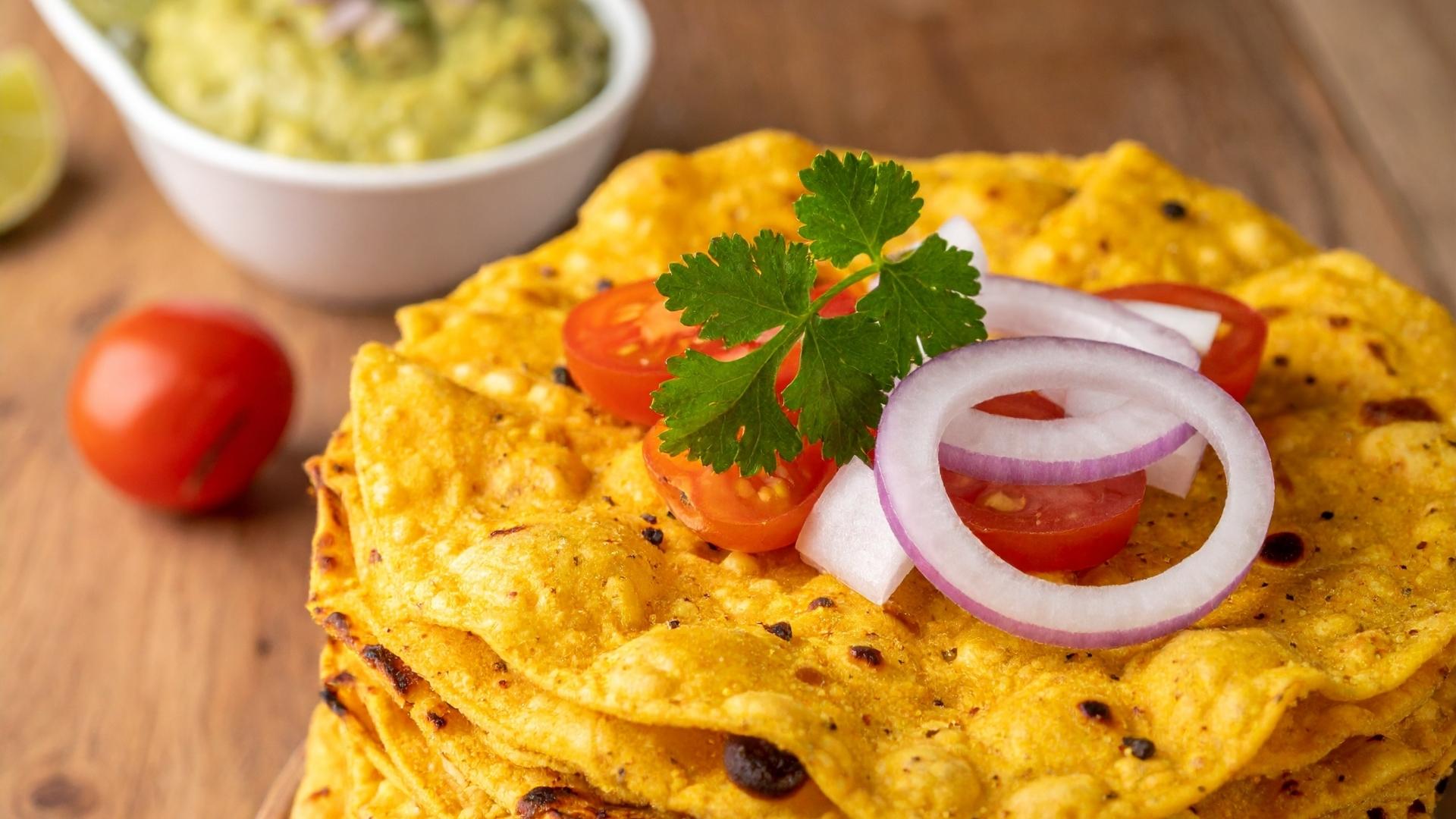
This wasn’t a single dish, but it deserves a place on this list.
In Cancun, tortillas aren’t a vehicle—they’re an ingredient. Freshly made corn tortillas are soft, fragrant, and slightly sweet. They elevate everything they touch.
After eating meals with fresh tortillas, going back to packaged ones feels like betrayal.
This changed how I see tacos, wraps, and Mexican food globally. If the tortilla isn’t right, nothing else matters.
What Cancun Taught Me About Mexican Food
After five days of eating my way through Cancun, one thing became clear: Mexican cuisine cannot be summarized.
It’s regional. It’s historical. It’s deeply tied to land, climate, and culture. The Yucatán doesn’t cook like central Mexico. Cancun doesn’t eat like Mexico City. And none of it resembles the “Mexican” menu most of us grew up with abroad.
Cancun surprised me because it didn’t perform for tourists—it quietly offered something real, if you were willing to step away from resort buffets and familiar flavors.
These seven dishes didn’t just change what I like to eat. They changed what I look for when I travel: food that tells a story, not food that plays it safe.
If you let it, Cancun will do the same to you.