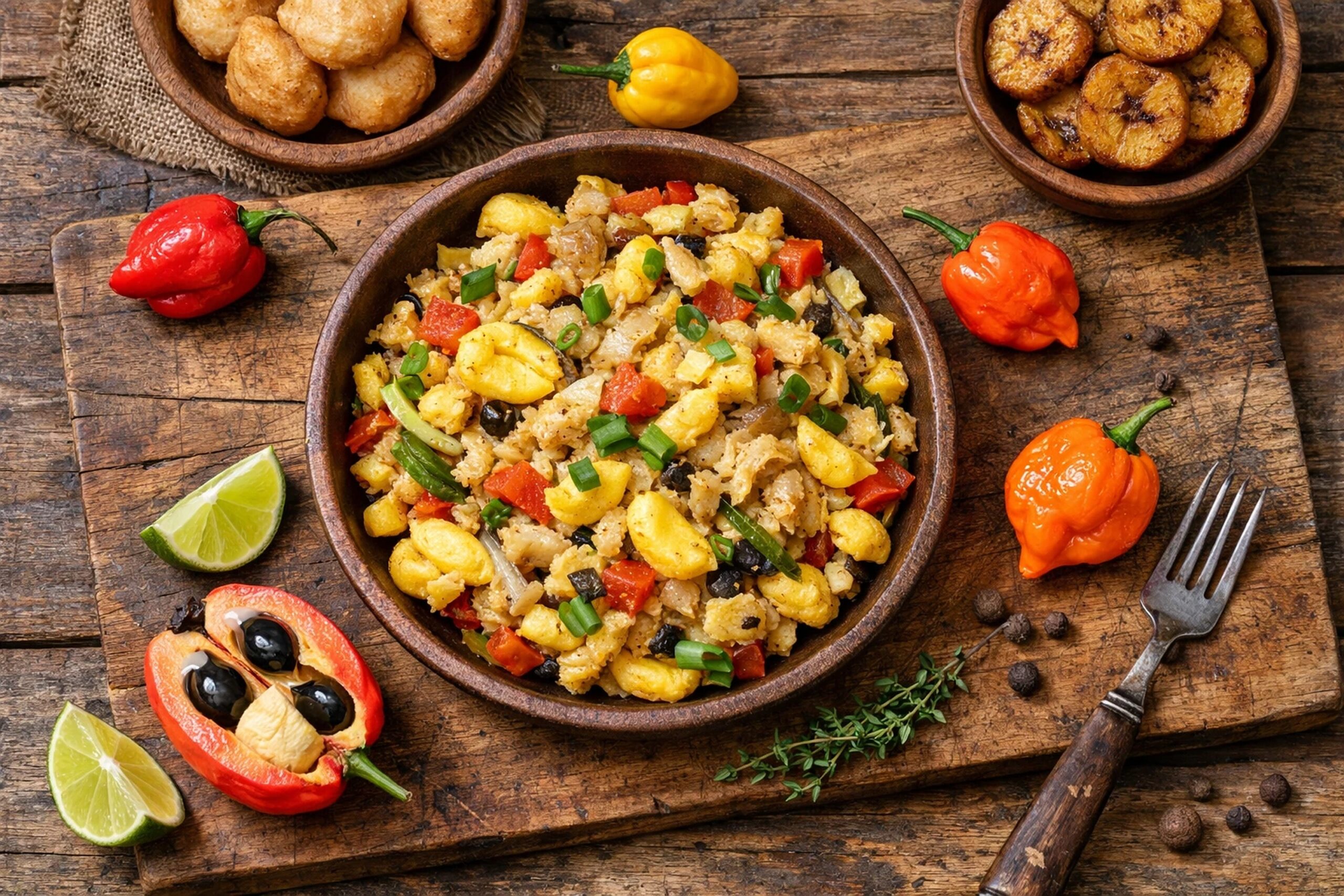
The Mayan Ingredient Hiding in Yucatan’s Most Famous Dishes
You might think you know Mexican food.
Tacos, enchiladas, guacamole, salsa, maybe a margarita on the side.
Then you arrive in Yucatan and realize that the food here is playing by a completely different set of rules.
The flavors can be smoky, earthy, sour, spicy and surprisingly citrusy. Pork is everywhere. Corn is still hugely important. And some of the regions most famous dishes have been shaped by ingredients that go back centuries.
But there is one ingredient that keeps appearing in Yucatan cooking in ways you might not expect.
Achiote.
That bright red spice is one of the secrets behind some of the most recognizable dishes in the Yucatan Peninsula. It gives food its distinctive reddish-orange color and adds an earthy, slightly peppery flavor without making everything fiery hot.
And if you have eaten cochinita pibil in Cancun, Valladolid, Merida or elsewhere in Yucatan, you have probably already tasted it.
So What Exactly Is Achiote?
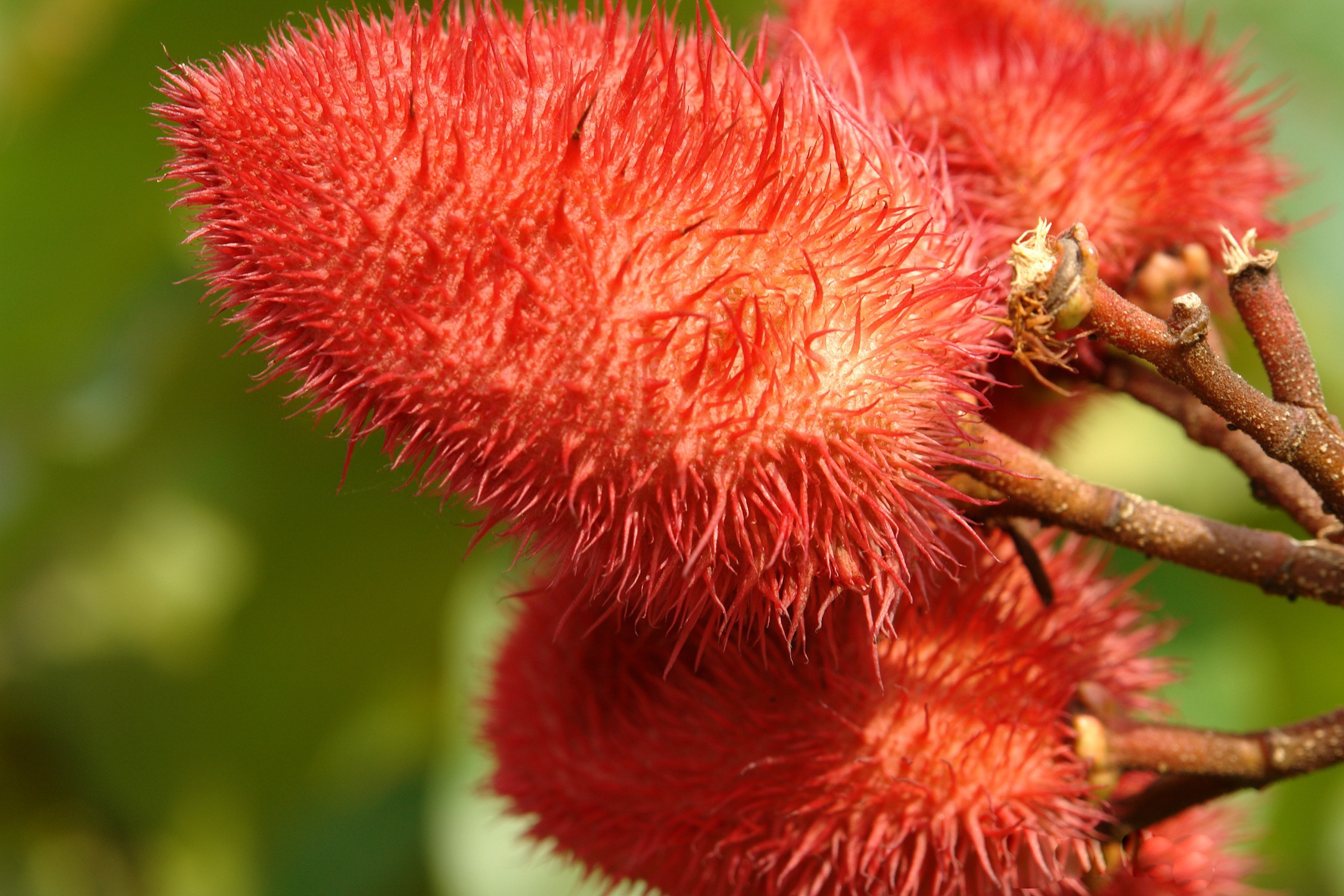
Achiote comes from the seeds of the annatto tree, a plant native to tropical parts of the Americas.
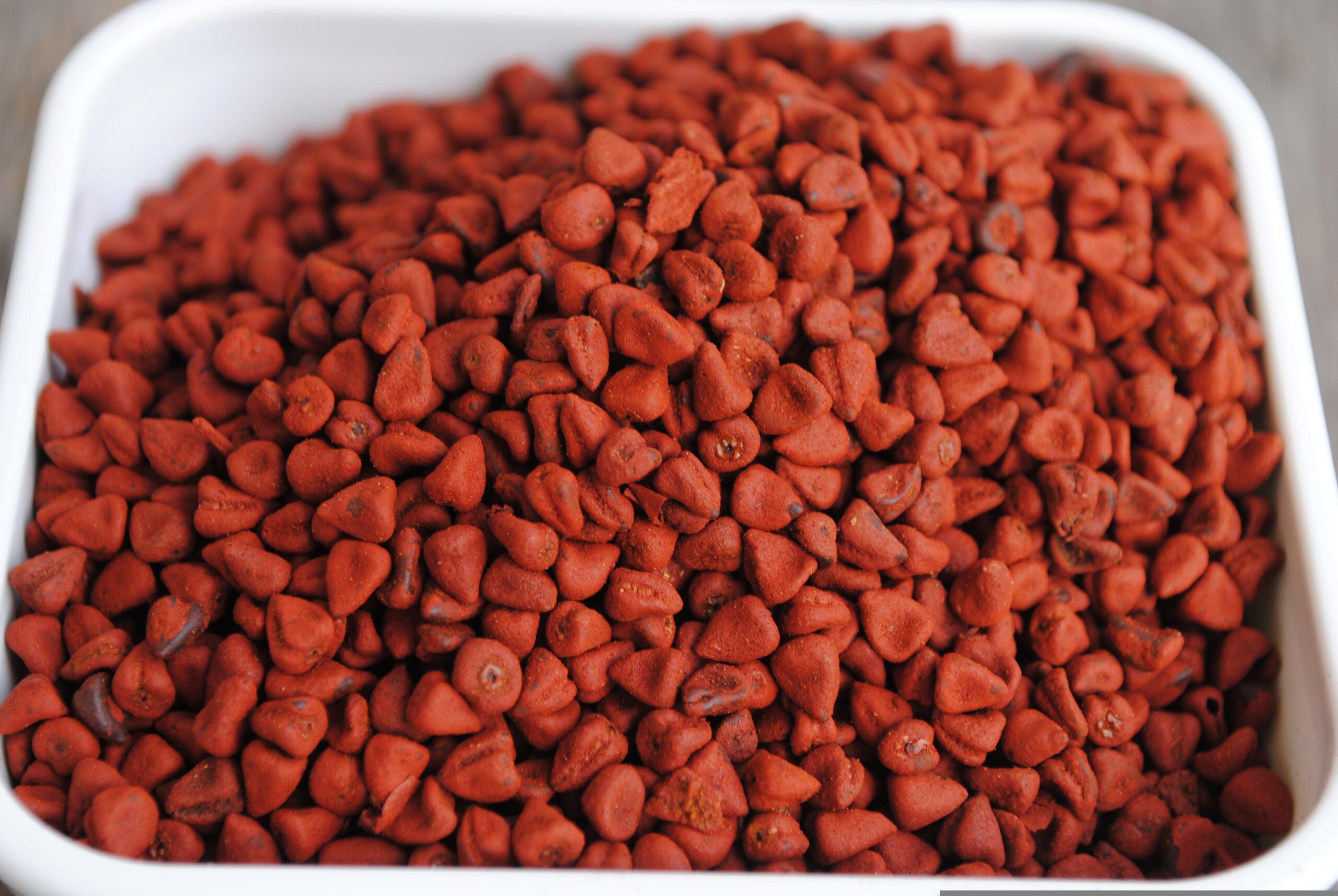
The seeds are small, hard and naturally deep red. They can be ground into a powder, mixed with other spices or turned into a paste.
In Yucatan, the paste is particularly important.
It is commonly made by combining annatto seeds with spices and other ingredients, creating the intensely colored paste known as achiote paste.
The interesting part is that achiote does not taste anything like the bright red color suggests.
It is not a hot chili paste.
Instead, it has a subtle earthy, peppery and slightly nutty flavor. In Yucatan cooking, it is often combined with sour orange, garlic and spices to create marinades that are incredibly aromatic.
And that combination is responsible for one of the regions most famous dishes.
The Red Color of Cochinita Pibil
If you see a plate of cochinita pibil for the first time, the color is probably the first thing you notice.
The pork is usually deep orange-red, incredibly tender and often served with pickled red onions, tortillas and other accompaniments.
The color comes largely from achiote.
Cochinita pibil is traditionally made by marinating pork with achiote and sour orange before slow cooking it.
The traditional cooking method is even more fascinating.
The meat was historically cooked in a pib, an underground oven. The pork was wrapped, placed underground and slowly cooked over several hours.
Modern kitchens do not necessarily use an underground oven, of course. You may find versions cooked in conventional ovens or other equipment.
But the basic combination of pork, achiote and citrus remains one of the signatures of Yucatan cuisine.
And it is a perfect example of how one ingredient can completely change the identity of a dish.
Achiote Was Not Just About Flavor
There is a reason achiote has such a long history in the region.
Annatto has been used by Indigenous peoples of the Americas for centuries, both as a food ingredient and as a natural coloring.
The intense red pigment made it useful for more than cooking.
The seeds and their color have historically been associated with body paint, textiles and other cultural uses.
So when you see achiote giving a dish its characteristic red-orange appearance, you are not simply looking at a modern food coloring.
You are looking at an ingredient with a much older history in the Americas.
That makes Yucatan food particularly interesting because its modern dishes reflect layers of history rather than one single culinary tradition.
Mayan ingredients and techniques mixed with ingredients and influences brought by Europeans and later cultures.
The result is the distinctive food culture you encounter today.
And Then There Is Sour Orange
Achiote rarely works alone.
One of its most important partners in Yucatan cooking is sour orange, known locally as naranja agria.
And this is another reason Yucatan food can taste so different from the Mexican food you may already know.
The sour orange brings acidity to rich meats and marinades.
Combine it with achiote, garlic and spices and you get a marinade that is simultaneously earthy, tangy, aromatic and colorful.
It is particularly important in dishes involving pork and other meats.
This combination is one of the reasons Yucatan cuisine can taste so vibrant without relying exclusively on intense chili heat.
That is something visitors sometimes discover only after arriving.
Mexican food is not one single flavor profile.
Different regions have developed their own ingredients, techniques and combinations.
Achiote Is Not Only for Cochinita Pibil
Cochinita pibil might be the most famous example, but achiote appears in other Yucatan preparations too.
It can be used to season chicken, pork, fish and other meats.
You may also encounter it in marinades and spice mixtures rather than as an obvious standalone ingredient.
That is part of what makes it fun to eat your way around Yucatan.
You may order something without thinking much about the ingredients, take the first bite and notice that familiar earthy flavor and distinctive color.
There is a good chance achiote is somewhere in the background.
Why Does Yucatan Food Taste So Different?
Achiote is only one piece of the puzzle.
Yucatan cooking also has a strong relationship with ingredients such as corn, habanero peppers, sour orange, turkey, pork and various local herbs and spices.
Then there are ancient cooking techniques.
The Mayan influence is particularly important because corn was central to the regions food culture long before modern Mexico existed.
But Yucatan cuisine also evolved through centuries of cultural exchange.
That is why calling something simply “Mayan food” does not tell the whole story.
The dishes you eat today are part of a much longer culinary evolution.
And that is what makes eating in Yucatan more interesting than simply working your way through a list of Mexican dishes.
Where Can You Try It?
You do not necessarily need to travel deep into the Yucatan Peninsula to try achiote-based dishes.
If you are staying in Cancun, look for restaurants serving traditional Yucatecan food and order cochinita pibil.
But if you travel beyond the resort zone, you will get an even better opportunity to explore the regional cuisine.
Merida is particularly famous for Yucatecan food, while smaller cities and towns throughout the peninsula have their own versions of traditional dishes.
Look for places where the menu specifically highlights Yucatecan specialties rather than only the familiar Mexican restaurant staples.
And if you see cochinita pibil served with pickled onions and tortillas, order it.
You will probably notice the achiote immediately.
The Ingredient You Did Not Know You Were Eating
That is perhaps the most fun thing about achiote.
It is not an ingredient most visitors arrive in Yucatan specifically looking for.
You probably will not be thinking, “I need to try some annatto seeds today.”
Instead, you order a plate of cochinita pibil.
You see the red-orange pork.
You smell the citrus and spices.
You take a bite.
And suddenly you are tasting an ingredient that has been part of the regions food traditions for centuries.
Achiote may not be the most famous ingredient in Mexican cuisine.
But in Yucatan, it is one of the ingredients that helps give the food its identity.
So the next time you are eating cochinita pibil in Cancun or exploring a market in Merida, take a closer look at that unmistakable red color.
There is a good chance you are looking at one of the oldest flavors hiding in plain sight.
